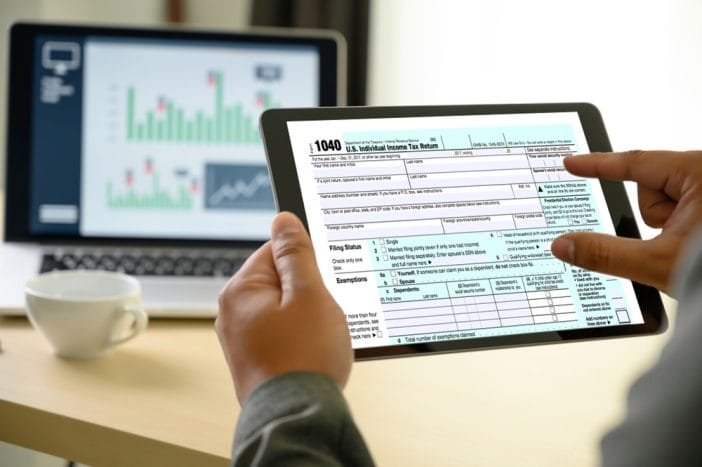
You may think “free” tax filing means zero cost, nothing to lose, no catch. But free in 2026 often means “free until something valuable gets rolled out of your digital backpack.”

Here’s our eye-opening look at how tax preparation services that promise no-cost filing could end up turning your most sensitive financial details into marketing fodder. Let’s talk about how you can make smarter choices this tax season.
When “Free” Comes With a Side of You
Generally, nothing that delivers massive piles of your personal financial data into someone else’s servers actually costs anything. Companies that offer free tax prep still have to make money somehow.
A common way they do that is by using the information you provide to nudge you toward other paid products or services. Those upsell pitches aren’t random. They’re carefully constructed offers based on the intimate financial pictures you laid bare while preparing your taxes. In some cases, companies may even use pixels, cookies, and other tracking technologies to send bits of data about you to advertising networks.
Federal authorities have warned tax prep companies that using the data you give them to advertise or sell products beyond tax preparation without your express consent could violate consumer protection laws. Does that feel free? It doesn’t.
The Dark Reality Behind “Free File”
There’s a whole program with the Internal Revenue Service called the Free File program that really is meant to let people file federal taxes at no charge if their income falls below a certain threshold. It partners with software providers to offer that service.
That sounds great on paper. But in practice, it has been buried deep on partner sites or even blocked from search engines, leaving people wandering into commercial tax software that advertises as “free” but is anything but. Critics have pointed out that in the feature wars between the IRS program and big corporate tax prep, the Free File option gets hidden while paid services with complex eligibility and upsell screens dominate the search results. That means consumers get steered toward paid products long before they ever see the real free option.
This tactic doesn’t sell your tax data per se. But it does set the stage for companies to collect reams of personal tax info and then get permission to use it for other purposes, sometimes buried in the fine print. People often click “agree” without realizing what’s happening.
Big Names Want Access (and They’ll Ask for Your Permission)
If you’ve ever used a recognizable name in tax software, you’ve probably seen a screen that asks something like “We can help you do more” or “Get personalized offers.” What that really means is: “Give us permission to analyze and use your financial details for marketing or product recommendations.”
Reputable services cannot use your information for anything beyond preparing and filing your return unless you give explicit consent. Once you tap “yes,” the door swings wide open. Some companies share aggregated and tracked data with advertising platforms like Facebook and Google, often without giving clear warnings up front about exactly what they share or how they plan to use it.

Not All Free Services Are the Same
FreeTaxUSA can be used for federal taxes, and it stands out among free platforms precisely because it takes a different approach: its privacy policy explicitly states the company does not sell or rent your personal information to third parties, and it operates under clear terms where it makes money from state filing fees and add-on features rather than monetizing your data. That kind of transparency is rare. The fact that the company complies with IRS security standards and federal rules around tax preparer information makes it a solid option for people who want to avoid data-driven upsell tactics.
Other services vary wildly in how they handle tracking and data sharing. Some let you opt out of targeted advertising; others default to broad permissions unless you dig into settings and turn them off.
What You Actually Pay With When You File Taxes Online
“Free” tax prep services typically make money somewhere, and it’s often not from your direct payment. They might use your personal profile to sell targeted financial products, or they might share glimpses of your aggregated data with advertising partners. There’s a difference between selling your name outright and using data patterns to fuel marketing, but in either case, you’re paying with your personal details instead of dollars. That’s why privacy experts and consumer advocates urge folks to think critically about what they’re agreeing to before they click through screens during tax filing.
In contrast, when you use a truly free IRS-backed service or prepare and file manually with government forms, there’s no commercial entity using your data for anything other than submitting it to the taxing authority. That’s the purest form of free, and it’s worth considering if privacy matters to you.
Your Data Deserves Protection, Not a Backdoor Trade
Free tax filing sounds amazing, but it shouldn’t cost you your privacy. Many of the big services operating today depend on upsells and data-driven marketing to turn a profit. You don’t have to fall into that trap.
What’s your strategy for keeping your financial data safe while filing taxes? Have you ever changed services because of privacy or data concerns? Let us know in the comments below.
You May Also Like…
Live in One of These 8 States? Your Taxes Just Dropped
Why Men With Classic Cars Are Suddenly Facing Higher Taxes
Could That Renovation Be Why Your Taxes Just Went Up?
7 States Where Property Taxes Are Becoming Unmanageable
“I Haven’t Filed Taxes in Years”: What to Do (Don’t Panic!)
The post The “Free” Tax Filing Services That Are Actually Selling Your Data appeared first on Clever Dude Personal Finance & Money.