
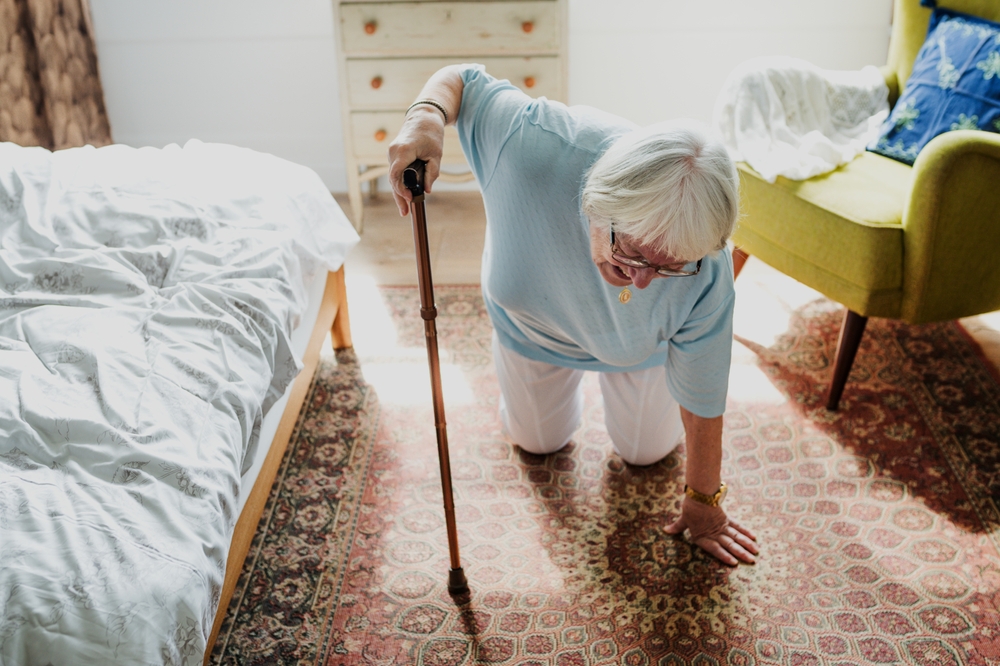
For many older adults, the greatest health risks aren’t found in hospitals or clinics—they’re hiding in plain sight at home. Loose rugs, poor lighting, cluttered hallways, and slippery bathroom floors can turn a familiar space into a danger zone. Falls are the leading cause of injury-related hospitalizations among seniors, and most of them happen at home. Yet these risks are often overlooked until an accident occurs. That’s why free home safety assessments are becoming a vital tool in preventive care—offering seniors a chance to identify hazards before they lead to costly and life-altering consequences.
What a Home Safety Assessment Includes
A home safety assessment is a structured evaluation conducted by trained professionals—often occupational therapists, nurses, or aging specialists. They walk through the home with the resident, examining key areas like entryways, kitchens, bathrooms, and bedrooms. The goal is to spot potential hazards and recommend modifications that improve safety and accessibility. These might include installing grab bars, rearranging furniture, improving lighting, or removing trip hazards. The assessment is personalized, taking into account the senior’s mobility, vision, and health conditions. It’s not about judgment—it’s about empowerment.
Who Offers These Services
Many local governments, nonprofit organizations, and healthcare providers offer free home safety assessments to seniors. Agencies on Aging, veterans’ services, and Medicare Advantage plans may include them as part of broader wellness initiatives. Some hospitals and rehabilitation centers also provide assessments during discharge planning to reduce readmissions. These services are often underpublicized, meaning many seniors don’t realize they’re available. A simple phone call to a local senior center or aging agency can uncover valuable resources that make a real difference.
The Financial Impact of Prevention
Hospital visits are expensive, especially when they result from preventable injuries. A single fall can lead to surgery, rehabilitation, and long-term care needs that strain both personal finances and insurance coverage. By contrast, a home safety assessment costs nothing and can prevent thousands of dollars in medical bills. It also reduces the emotional toll of recovery, which can be especially difficult for older adults. Prevention isn’t just practical—it’s compassionate. It allows seniors to maintain independence and dignity while protecting their health and savings.
Emotional Benefits of Feeling Secure
Safety isn’t just physical—it’s emotional. Seniors who feel confident in their homes are more likely to stay active, engage socially, and maintain mental well-being. Fear of falling can lead to isolation, depression, and reduced mobility. A home safety assessment provides reassurance and control, helping older adults reclaim their space with confidence. It also gives family members peace of mind, knowing their loved ones are living in an environment designed to support—not endanger—their health.
How to Prepare for an Assessment
Before scheduling a home safety assessment, seniors should take stock of their daily routines and any recent challenges. Noting areas where they’ve stumbled, struggled, or felt uneasy can help guide the evaluation. It’s also helpful to have a trusted friend or family member present during the visit to ask questions and take notes. The assessor may suggest changes that require follow-up, such as hiring a handyman or applying for grants to cover modifications. Being open and proactive ensures the assessment leads to meaningful improvements.
Why These Services Are Often Overlooked
Despite their value, free home safety assessments are frequently underused. Some seniors assume they’re only for people with severe disabilities or recent injuries. Others worry about privacy or fear being told they need to leave their home. In reality, these assessments are designed to support aging in place—not disrupt it. They’re collaborative, respectful, and focused on solutions. Raising awareness about these services is essential to making them a standard part of senior care.
A Safer Home, A Stronger Future
Free home safety assessments are a simple yet powerful way to protect seniors from preventable harm. They offer practical advice, emotional reassurance, and financial protection—all without cost. As more communities embrace aging in place, these services will play a central role in keeping older adults safe, independent, and thriving. The home should be a haven, not a hazard—and with the right support, it can be just that.
If you haven’t had a home safety assessment, call your local aging agency this week—it could change everything.
You May Also Like…
- How Small Towns Are Rewarding Residents for Aging in Place
- 7 Hidden Costs of “Aging in Place” No One Mentions
- 10 Home Renovations That Make Aging in Place More Dangerous
- The Quiet Cost of Fixing Your Home for Aging – You’ll Wish You Did It Sooner
- 8 Harsh Truths About Aging Most People Learn Too Late