
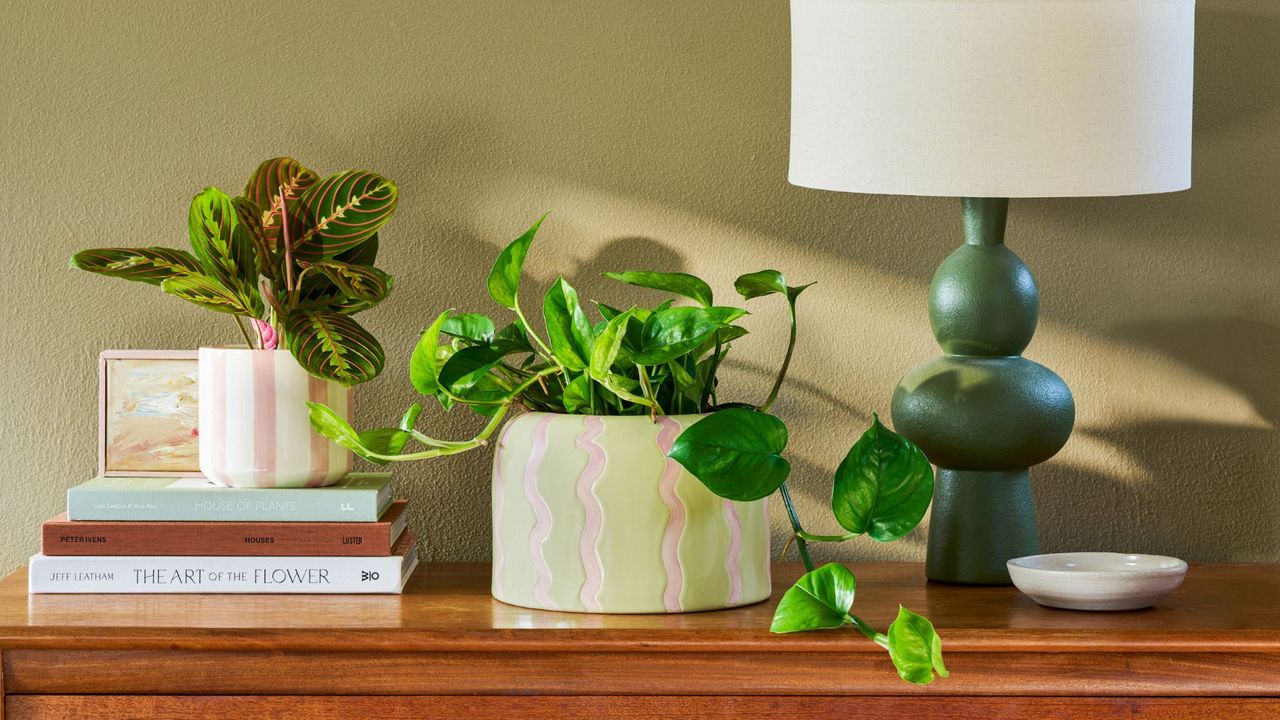
Houseplants can be fussy regularly, but the peak of summer might be when most gardeners (beginner and otherwise) feel overwhelmed by the troubles indoor gardens face in high temperatures — and how bad they look when they start to droop and dry out. In response to said issues, some experts are actually prescribing plants with aspirin.
Yes, an aspirin, just like the one you might take to relieve a headache. It's not the first thing you should do when caring for your plants to survive a heatwave. But it's also not as simple as dissolving an aspirin into your indoor garden's water supply.

Here's what you need to know before treating your plants to this medication, and why and when to do it.
Why Do Some Gardeners Use Aspirin on Heat-Stressed Plants?
When you use aspirin with your houseplants, gardening expert Lucie Bradley explains that you don’t use them for quick results but rather to help your plants build up a tolerance to heat so they are less stressed when temperatures increase.
"Plants have a natural defense mechanism to heat when they are stressed, producing salicylic acid, which acts as a trigger for the plant to put into action its internal defense system," she explains. "This not only protects photosynthesis during extreme heat, but it also helps plants maintain their cellular water pressure, which in turn helps prevent dehydration."
"Whilst plants produce tiny amounts of salicylic acid when suffering heat stress, you can use aspirin to mimic this salicylic acid to trigger your garden's natural defense system into action," she adds. "This will ensure your houseplants survive a heatwave."
How Does the Aspirin Trick for Houseplants Work?
"Ideally, you would start using an aspirin solution a few weeks before when temperatures are predicted to increase," recommends Lucie Bradley. "Although you can create a solution to use in a mister, I prefer to use it for watering around the base of the plant to avoid any possible damage to foliage."
To make an aspirin solution, crush a regular 325 mg tablet of uncoated aspirin into a powder and dissolve it into one gallon of lukewarm water, Lucie says, adding, "You should then use this to water your houseplants early in the morning."
According to Lucie, it's best to use this solution every 14 to 21 days, whilst using plain water the rest of the time to keep your plant hydrated. She warns against overfeeding your indoor garden with aspirin, as it can cause toxicity, scorching foliage, and slow growth. Balance is key!
What to Do Before You Rely on the Aspirin Trick for Houseplants?
"While there is truth to the aspirin trick, I wouldn't look at it as a magic fix for a plant that's already struggling," says plant expert Adrian Aviles. "There may be some benefit to aspirin, but it's not the first thing I'd reach for."
He says the first step to decorating with plants is to consider their environment. "I'd spend more time changing where the plant sits than changing what's in the water," he adds. "Next, monitor moisture levels more often, keep plants away from sunny windows, and make sure they aren't drying out too quickly."
Further, he recommends avoiding major changes during heat waves. "Repotting or heavy fertilizing is too risky," he adds. "Remember that aspirin might help around the edges, but it won't save a plant sitting in the wrong spot during a heat wave."

When you're leaving your plants on holiday, slow watering techniques are a nice way to keep them consistently hydrated through warm weather.

If you are relying on the aspirin trick, why not treat your home to a stylish new watering can like this.

Water globes, like these beautiful ones from Ferm Living, are another essential for houseplants in the summer.
Looking for a more natural way to help your houseplants stay hydrated in the heat? Consider soil cover — you can also add to the aesthetic appeal of your plants this way.
And keep up with the Livingetc newsletter for more design tips for your indoor garden and beyond.