The 2026 FIFA World Cup will be the biggest tournament in soccer history, spread across 16 cities in the United States, Canada and Mexico. For millions of fans, getting to the games may prove almost as challenging as the matches themselves.
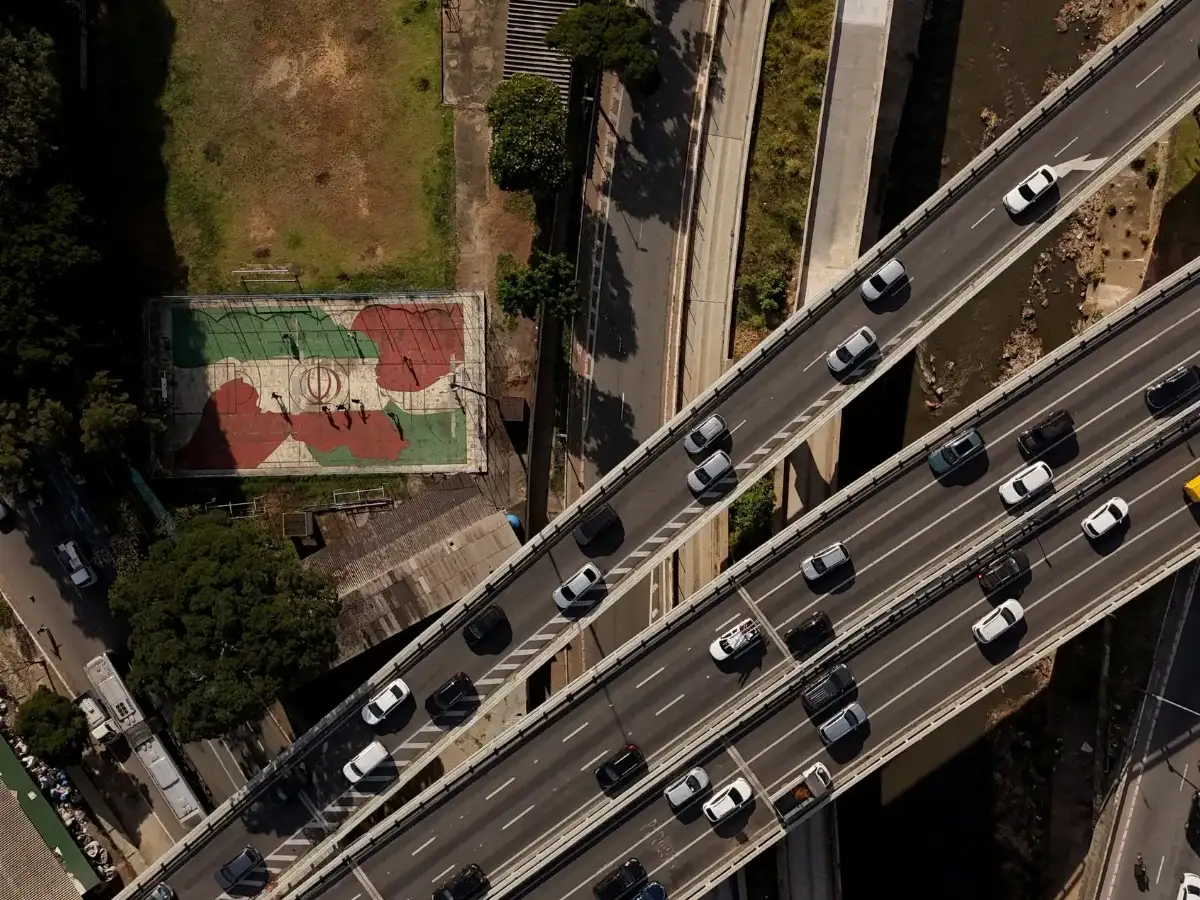
With airfares climbing, gasoline prices rising and airport security lines stretching patience to the limit, North America's rail and bus operators see the month-long tournament as a rare opportunity: a chance to persuade travelers to swap planes and cars for trains, buses and public transit.