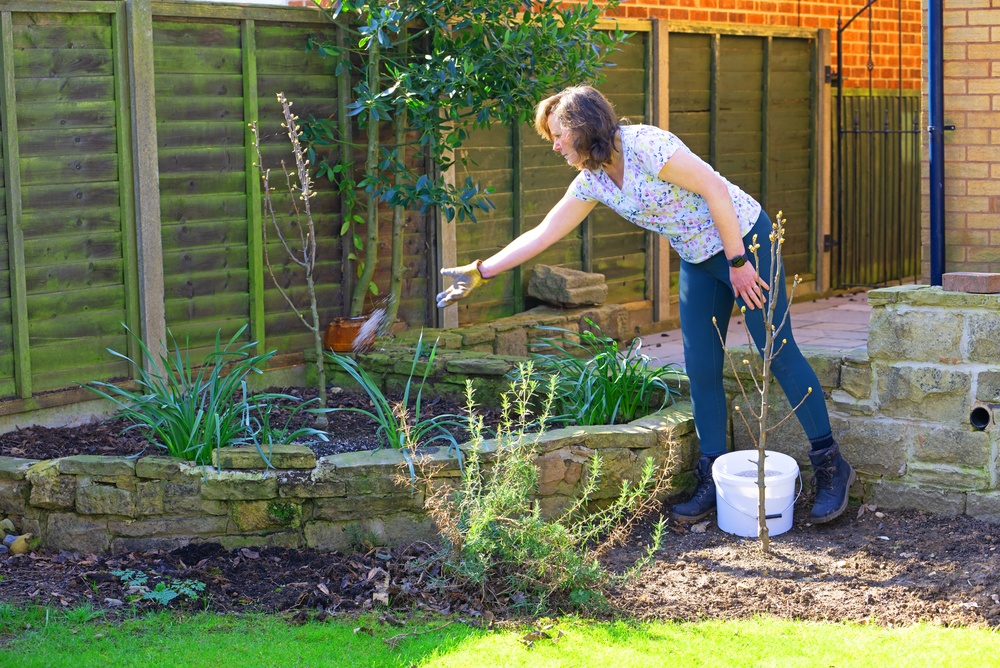
Garden centers start stacking fertilizer bags the second winter loosens its grip, and eager gardeners rush to feed everything in sight. Bright green packaging promises giant tomatoes, explosive blooms, and lawns thick enough to lose a rake in. Unfortunately, timing matters far more than most people realize, and dumping fertilizer onto sleepy plants often backfires in spectacular fashion. Cold soil slows root activity, which means plants cannot absorb nutrients efficiently even when fertilizer sits right beside them. Instead of fueling healthy growth, early feeding frequently washes away during spring rainstorms or pushes weak growth that struggles the minute temperatures swing again.
Many experienced gardeners follow one simple rule that beginners miss completely: fertilize when plants actively grow, not when the calendar says spring has arrived. Soil temperature drives root activity much more than air temperature, and most plants wait patiently until conditions stabilize before they start pulling nutrients from the ground. Grass may look slightly green after winter, but roots often remain sluggish underneath the surface for weeks.