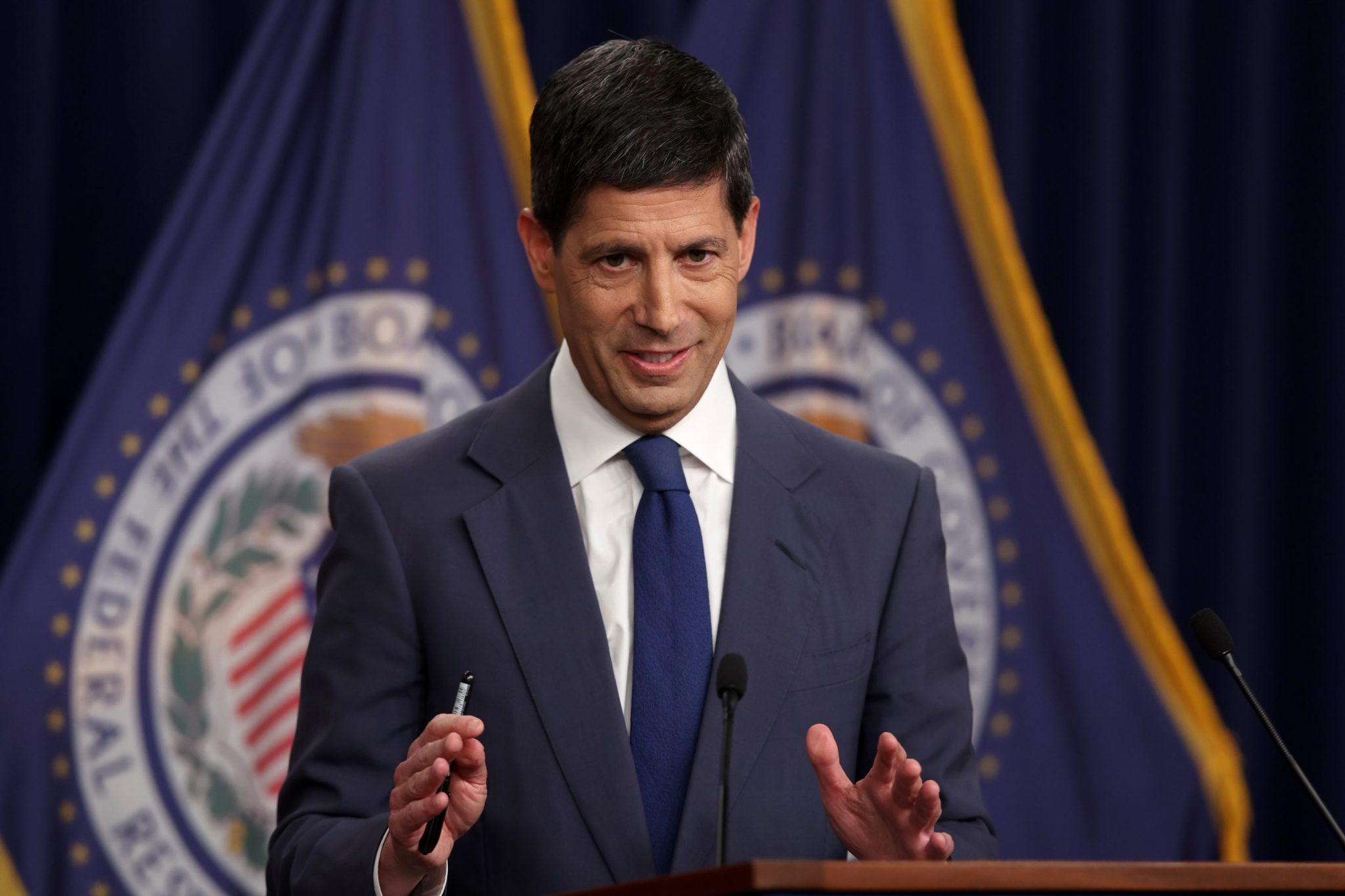
The debate over artificial intelligence and monetary policy is already well under way. Federal Reserve Chair Kevin Warsh and others have rightly emphasized that AI could raise productivity and productive capacity even as the investment boom puts pressure on resources before those benefits arrive. That timing problem is real. But it risks obscuring a more immediate challenge: AI is also creating a large and rapidly evolving financing ecosystem whose leverage, exposures and vulnerabilities are much less well understood.
Morgan Stanley projects nearly $3 trillion of global AI-related infrastructure investment through 2028, with an estimated $1.5 trillion external financing gap. This investment is already absorbing construction, semiconductors, electricity and skilled labor. In the near term that can raise resource utilization and prices. Over time, automation, organizational change and new capital should raise potential output and reduce unit costs.