
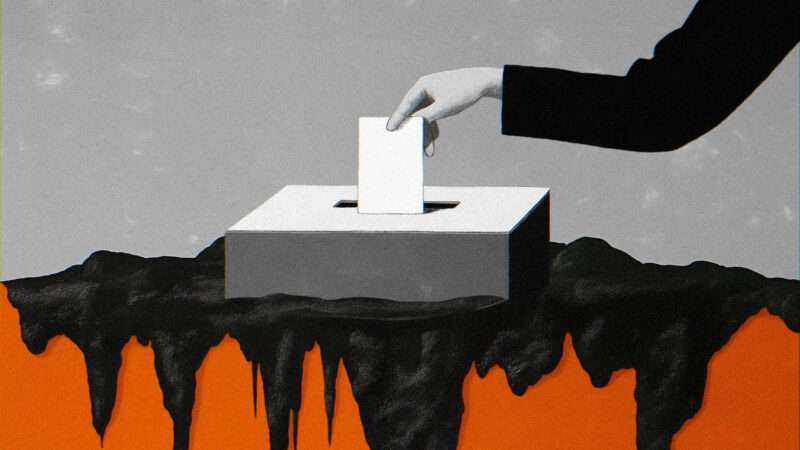
A voting method is the procedure at the heart of an election that specifies what information is to be gathered from voters, and how that collected information is to be utilized to determine the winning candidate. The U.S. Constitution is mute as to what voting method should be employed. The simplest, known as "plurality," has historically been the default, and still dominates as the voting method for U.S. public elections. Plurality allows each voter only to vote for a single candidate. The candidate receiving the largest number of votes is the winner.
At about the time of the American Revolution, two French scholars, Jean-Charles de Borda and Nicolas de Condorcet, pointed out some of plurality's serious problems. A 240-year-long debate ensued. Scores of voting methods have been proposed and argued as the best replacement for plurality. If any of the many arguments were truly sound, convincing, and clearly superior to all others, plurality would have been replaced long ago and the nation would already be living happily ever after. However, the only widespread agreement has been that plurality really does need to be replaced. It is even worse than Condorcet and Borda thought.














