
Get all your news in one place.
100’s of premium titles.
One app.
Start reading
GOBankingRates
GOBankingRates
Jamie Stone

The Dumbest Financial Advice From Millionaires That Could Cost You Money

Stephen Greathouse / Shutterstock.com

Millionaires and financial gurus love dishing out money advice, but not all of it holds up under scrutiny.

While their intentions may be good, some recommendations are so out of touch with reality that following them could actually hurt your finances.

Be Aware: Are You Rich or Middle Class? 8 Ways To Tell That Go Beyond Your Paycheck

Read More: 8 Things You Must Do When Your Savings Reach $50,000

Here’s a look at some of the most questionable financial advice from wealthy personalities.

Suze Orman: Skip Coffee and Save $1 Million

Financial expert Suze Orman famously declared that buying coffee is like “peeing $1 million down the drain,” according to CNBC. She claims that spending $100 per month on coffee over 40 years, if invested in a Roth IRA with a 12% return, would grow to $1 million.

“I wouldn’t buy a cup of coffee anywhere, ever — and I can afford it — because I would not insult myself by wasting money that way,” Orman said in a 2019 interview.

Find Out: The No. 1 Way Americans Become Millionaires Is Pretty Boring — and Easy To Do

The problem? The math doesn’t quite work. For most people, daily coffee doesn’t actually cost $100 per month unless you’re buying expensive drinks multiple times daily. A $3 latte per day equals about $93 monthly at most. Plus, a 12% annual return is extremely optimistic — the S&P 500 historically averages closer to 8% to 10%.

Financial expert Ramit Sethi pushed back on this advice, telling CNBC that “life isn’t simply about cutting back.” He recommends automating savings first, then enjoying leftover money guilt-free on things that bring you joy.

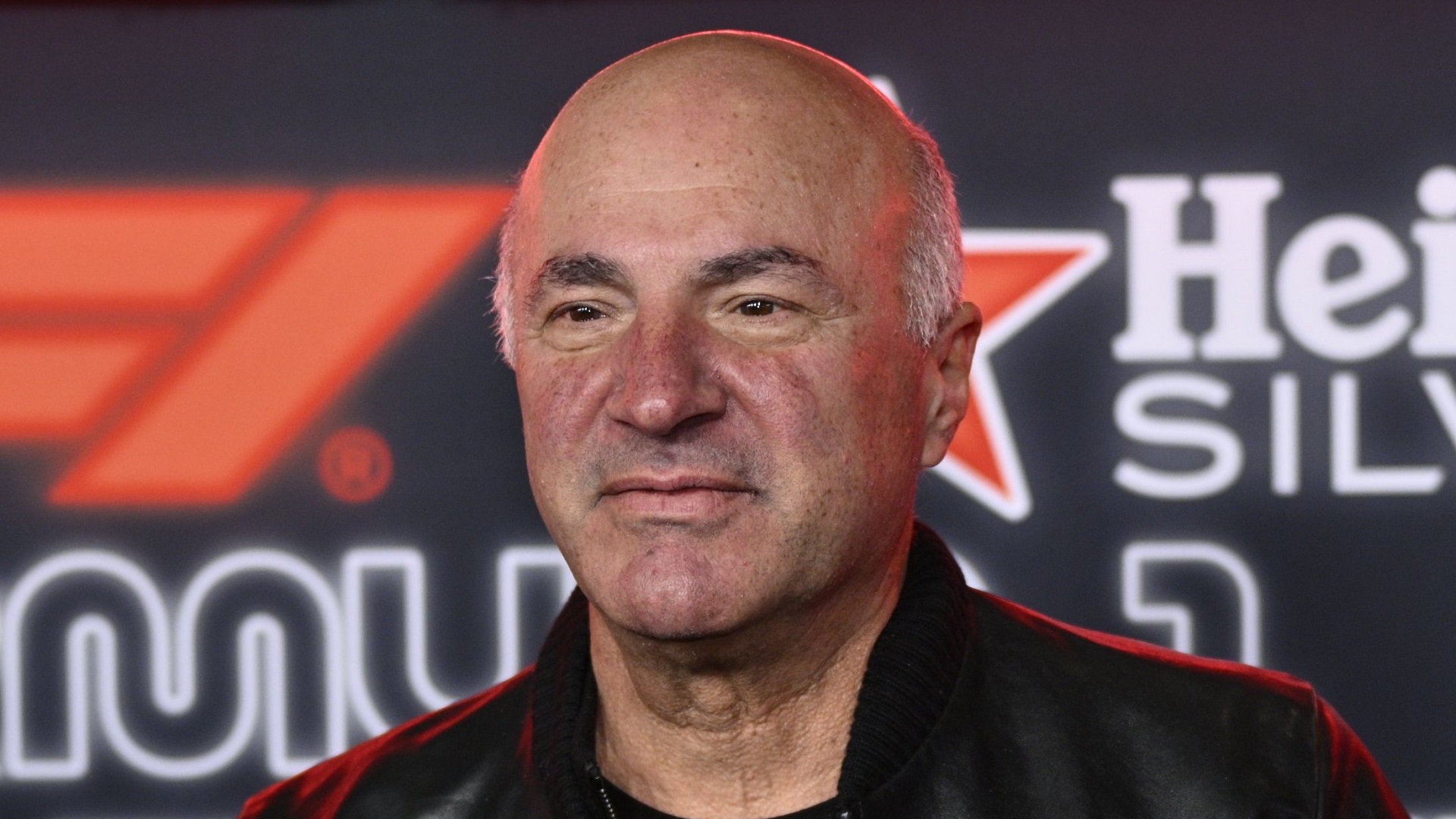
Kevin O’Leary: Don’t Buy a House on $70K Salary

“Shark Tank” investor Kevin O’Leary recently told people earning $70,000 annually not to buy a house, according to Benzinga. Instead, he advises renting a “small” 1,500-square-foot home until you start a family.

While O’Leary’s concern about overextending financially is valid, telling an entire income bracket to avoid homeownership ignores regional variations in housing costs and individual circumstances. In many markets, a $70,000 salary is sufficient for responsible homeownership, especially with a solid down payment and manageable debt-to-income ratio.

The disconnect? Not everyone earning $70,000 is blowing money frivolously. Many are managing student loans, supporting families or living in high-cost areas where $70,000 doesn’t stretch as far as O’Leary seems to think.

Dave Ramsey: The 8% Withdrawal Rate

Dave Ramsey has built an empire on debt-elimination advice, but his investment guidance often misses the mark. He suggests retirees can safely withdraw 8% annually from their retirement accounts, according to Money Digest.

This advice is based on his claim that the stock market returns 12% annually. Financial planners have widely criticized this recommendation because it ignores sequence of returns risk — the danger of withdrawing during market downturns — and overstates average market returns.

The S&P 500’s actual historical return is closer to 8%, according to White Coat Investor. An 8% withdrawal rate would deplete most retirement accounts within years, especially during volatile markets.

The Real Problem: One-Size-Fits-All Advice

The common thread in questionable millionaire advice is the assumption that what worked for wealthy individuals will work for everyone.

Suze Orman can afford to never buy coffee because she’s already built substantial wealth. Kevin O’Leary’s frugality makes sense for someone with millions in the bank. Dave Ramsey’s aggressive approach helped him recover from bankruptcy, but it’s not optimal for everyone.

What these millionaires often miss is context. A $5 daily coffee habit isn’t what’s keeping most Americans from building wealth — stagnant wages, rising healthcare costs, student debt, and lack of employer retirement matches are far bigger obstacles.

Financial planner Sallie Krawcheck told CNBC that if you budget responsibly using the 50-30-20 rule, “you should be able to spend a portion of your income on whatever makes you happy, whether that’s travel, clothing or a daily coffee run.”

The Bottom Line

The best financial advice is personalized to your situation, not handed down from millionaires who may be out of touch with the realities of middle-class life. Focus on the fundamentals: Spend less than you earn, automate your savings, invest consistently, and yes — enjoy that latte if it brings you genuine joy. Life’s too short to deprive yourself of every small pleasure in pursuit of becoming a millionaire four decades from now.

More From GOBankingRates

This article originally appeared on GOBankingRates.com: The Dumbest Financial Advice From Millionaires That Could Cost You Money

Sign up to read this article
Read news from 100’s of titles, curated specifically for you.
Already a member? Sign in here
Related Stories
Top stories on inkl right now
One subscription that gives you access to news from hundreds of sites
Already a member? Sign in here
Our Picks
Fourteen days free
Download the app
One app. One membership.
100+ trusted global sources.