Get all your news in one place.
100’s of premium titles.
One app.
Start reading
Tom’s Guide
Tom’s Guide
Technology
Michael Desjardin

The ‘Dream OLED’ race heats up: How Blue PHOLED is set to revolutionize your living room

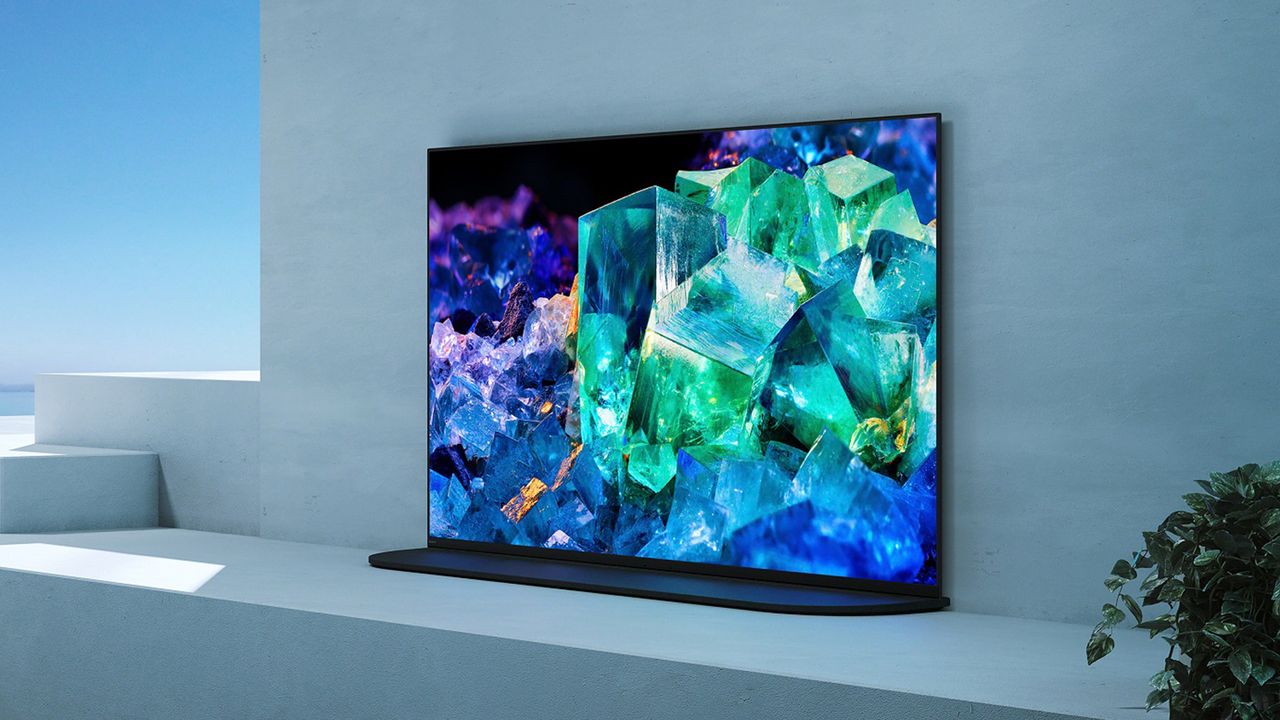
Sony A95 QD-OLED in a brightly lit room.

The technology that LG Display once described as its "dream OLED" is rapidly developing, and more companies are getting into the mix.

According to a report by The Elec, the South Korean OLED manufacturer Lordin has acquired the facilities needed to mass-produce its own version of blue PHOLED technology, which Lordin is calling ZRIET technology. The OLED-maker is also seeking funding for the project.

Whether called blue PHOLED or ZRIET, this is the OLED technology that AV enthusiasts and experts like myself have been drooling over for years. While not altogether different than the OLED displays you might be accustomed to, blue phosphorescent OLED displays could one day be brighter, cheaper and longer-lasting than even the best OLED TVs on shelves today.

What is blue PHOLED?

(Image credit: LG Display)

Blue PHOLED technology could lead to cheaper, brighter and longer-lasting OLED TVs.

The technology at the heart of blue phosphorescent OLED technology isn’t that different from what we already have. Its benefits are all about efficiency.

Many OLED TVs today make use of red and green phosphorescent OLED technology. The phosphorescence is important, as the material makeup of these displays allows for energy-efficient, longer-lasting screens.

Blue phosphorescence has proven much trickier to develop due to the high amount of energy needed to produce the color blue. As a result, OLED TVs that leverage red and green phosphorescent material (like our favorite TV of 2025, the LG C5) rely on blue fluorescent material, too.

Quantum dot-enhanced OLED TVs (like the Samsung S95F) use blue fluorescent material exclusively, as they rely on quantum dots to create red and green.

In other words, both types of OLED display — be it WOLED or QD-OLED — create colors differently. Regardless of how they get there, though, blue takes the most amount of energy.

Because the phosphorescence of primary colors is more energy efficient than the process of fluorescence, blue PHOLED technology could be a massive breakthrough for OLED TVs, which have proven pricey to produce and relatively delicate in nature.

LG Display — which recently announced its successful commercialization of blue PHOLED for small-sized screens on smartphones and tablets — has cited a 15% reduction in power consumption relative to current OLED displays. For larger, TV-sized screens, commercialized blue PHOLED technology could spell cheaper manufacturing costs and could lead to brighter and longer-lasting OLED TVs.

When can I buy a blue PHOLED TV?

(Image credit: Shutterstock)

While we’re closer to the commercialization of this technology than ever before, it’ll be a while before you’ll find this technology on the shelves of your local brick-and-mortar store. In other words, go ahead and shop for a new TV in 2026.

It wouldn’t surprise me if the first commercially available OLED TVs to tap this technology were still as many as four to seven years away. Remember: LG Display has only recently announced blue PHOLED commercialization for tablet-sized devices.

Regardless, having more players in the mix researching and developing blue PHOLED is precisely what the technology needs in order to flourish. If Lordin is close to commercialization, this development will raise the stakes for LG Display and Samsung Display.

Remember: Once upon a time, the first commercial OLED TVs were a far-off prospect, too. Keep the dream alive.


Follow Tom's Guide on Google News and add us as a preferred source to get our up-to-date news, analysis, and reviews in your feeds.


More from Tom's Guide

Sign up to read this article
Read news from 100’s of titles, curated specifically for you.
Already a member? Sign in here
Related Stories
Top stories on inkl right now
Our Picks
Fourteen days free
Download the app
One app. One membership.
100+ trusted global sources.