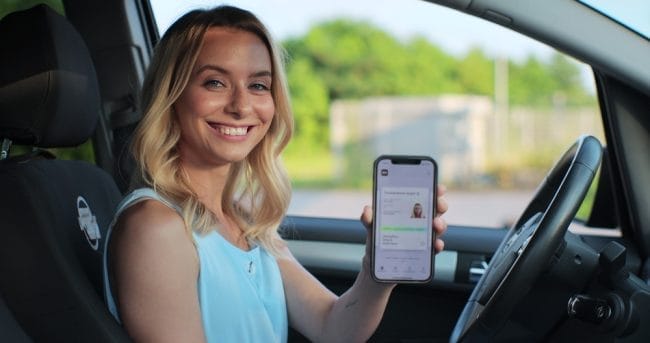
Tech companies promised a paperless future. They claimed our bulky wallets would soon become relics. Storing your driver’s license, credit cards, and insurance on a smartphone sounds like a dream. It seems convenient to have everything tucked away neatly.
However, early adopters currently face major speed bumps. You might feel high-tech pulling up a digital ID at a checkpoint. That feeling quickly turns to frustration when a clerk rejects it. The reality of the digital license proves far more complicated than the commercials suggest.

The Hidden Gap Between Tech and Policy
Your state might launch an official mobile ID app. However, that does not guarantee every business possesses the technology to verify it. A massive difference exists between a picture of your ID and a cryptographically signed token.
Many businesses still rely on physical ID verification tools. They use ultraviolet lights and tactile feel to check for forgeries. This creates a disconnect between modern tech and legacy infrastructure. You essentially carry a futuristic tool into a world not quite ready for it.
TSA Checkpoints and State Participation
You might expect high-tech identification at the airport. Unfortunately, the TSA remains in a transitional phase. Acceptance generally depends on state participation rather than the size of the airport. If your state participates, the checkpoints likely support it.
However, the TSA explicitly instructs travelers to carry a physical ID. You violate their current guidance by leaving your card at home. One airport might accept your phone, while the return trip requires plastic. Relying solely on the app creates unnecessary travel risks.
Nightlife and Private Retailers
Bars, clubs, and retailers often hesitate to join the digital ID movement. The risk of a liquor license violation seems too high for these businesses. They struggle to trust a screen they do not recognize. Sophisticated screenshots or altered images worry them.
Furthermore, compatibility varies widely across third-party scanning systems. Some software works seamlessly with state apps, while others fail. Relying on a digital license might keep you on the sidewalk instead of heading inside.
The Law Enforcement Paradox
Many law enforcement agencies are still transitioning to these new systems. Legal recognition varies significantly by state. Some states explicitly authorize mobile IDs for traffic stops, while others do not.
Privacy concerns also arise during these interactions. Handing an unlocked smartphone to an officer feels risky to many drivers. Privacy laws regarding police access to phone data differ by location. The physical card remains your safest bet until protocols standardize nationwide.
The Golden Rule of the Digital Age
The digital license serves as a fantastic backup. However, it does not yet work as a total replacement. We currently live in a ‘hybrid’ era. You must prepare for both worlds.
Treat your mobile ID as a convenience tool for the few places that accept it. Keep your physical wallet as your primary source of truth. Carrying that small piece of plastic protects you from headaches. Has a business turned you away for using a digital ID? Share your experience in the comments.
What to Read Next…
- Travel: The 4 S Rule Every Woman Needs to Know When Traveling Solo
- Here’s Why Traveling the World is Always Worth the Money
- Travel Alert: The New $45 TSA Fee Starting February 1st (And How to Avoid It)
The post The Digital License Warning: Why Your Mobile ID Might Not Be Accepted at These 3 Spots appeared first on Budget and the Bees.