
Get all your news in one place.
100’s of premium titles.
One app.
Start reading
Homes & Gardens
Homes & Gardens
Sarah Wilson

The Decade-Old Garden Trend Designers Are Happily Leaving in the Past (And 1 Idea We Love That's Replacing It)

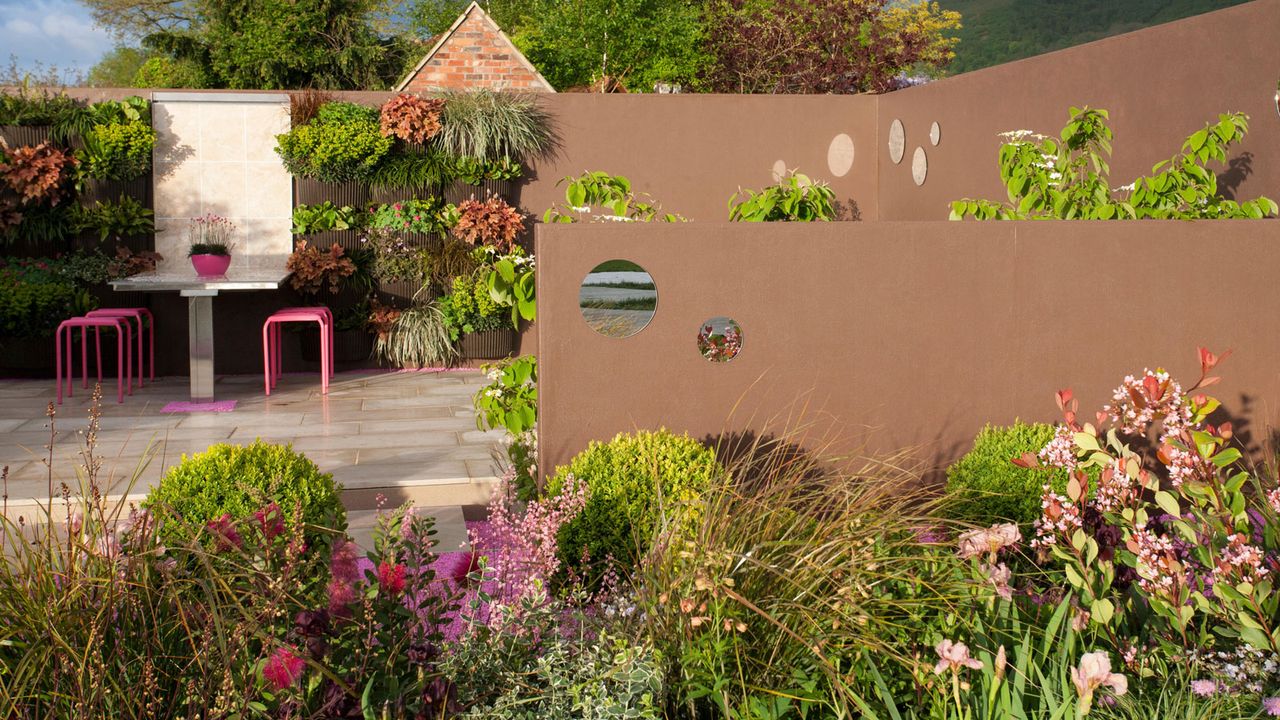
Garden design with living wall, patio, walls, garden furniture and flowerbeds.

Gardening trends come and go but do tend to hang around much longer than, say, designs in the fashion world. Think of tired trends like artificial grass and plastic topiary balls, which have experienced a gradual falling out of favor but now look decidedly stale.

These are two very obvious examples of outmoded ideas – fake is never good, right? But sometimes things aren't quite so clear cut, especially as tastes and ecological awareness have evolved so much in the last 10 years. The trends that no longer cut it can be far more subtle, and it might be surprising when you find out they have positive associations too, such as improving air quality or attracting wildlife.

As the move towards more sustainable gardening styles accelerates there are plenty of outdated backyard trends that no longer feel right. But our team of expert contributors universally chose one. You'll be surprised to find out what they voted for as the one decade-old garden trend they will happily consign to the past.

Imagine the maintenance involved with a green wall like this one (Image credit: Future / Alun Callender)

The Outdated Garden Trend Designers Want to Leave in the Past

In 2016 living wall ideas, also known as green walls, started springing up everywhere, and they have remained popular since. As well as making a real design statement they were in demand because of their ability to cool buildings, improve air quality, reduce noise and attract wildlife. But fast forward to 2026 and suddenly we're not quite so keen on them.

'In 2016, we all fell in love with lush, wall-mounted living walls, only to discover they were maintenance nightmares prone to irrigation failure,' says Jose Ares Abajo, partner and design director of architecture and landscaping at S-Squared, based in San Jose, CA.

'Designers have since pivoted away from these finicky systems in favor of trellised climbers and hardy, fast-growing species that offer privacy and greenery without the heartache.'

Looking back over his projects to the popular landscape trends of 10 years ago, Jose sees this as one of the significant changes in 2026.

'Green walls were all the rage in the 2010s,' agrees Dr Russell Sharp, a plant scientist and former senior lecturer in horticulture.

'I have noticed a drop off in new buildings being constructed with these features. Instead we are seeing buildings being designed to include more plants on balconies and obviously more house plants included in interior designs.'

Why Living Walls Have Fallen Out Of Fashion

The idea for living walls started with professional installations (Image credit: Future / Alun Callender)

One of the main reasons for the downfall of living walls is rooted in the fact they started life as design features that adorned the sides of prestigious hotels, upmarket shops, and luxe apartment blocks.

These were maintained by specialist companies staffed by professional gardeners. The successful transfer of this style to a residential garden model was always going to be a big ask.

'Living walls were everywhere in 2016, touted as the ultimate way to bring greenery into small urban spaces,' says gardening and horticulture expert Patrick Martin. 'They looked incredible on Instagram, but in practice, they were often high-maintenance, costly, and prone to failure.'

Many of the DIY installations from that period didn’t have proper irrigation or structural support, which led to plants drying out or the wall becoming unstable. 'Even with professional help,' adds Patrick, 'the combination of continual watering, fertilising, and pruning made them impractical for the average gardener.'

Patrick also points out another major downside is that living walls rarely allow the plants to thrive naturally. Many designs rely on tropical species that aren’t suited to local conditions, leading to constant replacements.

The Stress Factor Associated With Living Wall Failure

While visually striking, the maintenance burden means living walls aren’t sustainable for most homeowners or renters (Image credit: Евгений Харитонов/Getty Images)

In 2016, everyone loved the idea of dreamy living walls and indoor forests but the reality often proved quite different. Keeping living walls looking good can become stressful.

These installations require time, space, light adjustments, water systems and horticultural expertise to keep them looking good.

'Living walls fail in actual situations of behavioral and maintenance requirements. Clinically, these installations don't invite calmness. Instead, they produce low grade stress,' says Dr Cassidy Blair, a licensed clinical psychologist.

Anyone who has lost a favorite houseplant for no obvious reason despite heaping love and attention on it will recognise this feeling.

'People complain of feeling guilty over maintenance, frequent costs, and hidden disappointment when the plants don't work despite the effort,' adds Cassidy. 'The appearance of visual clutter and disorganized patterns of growth tends to cause more noise instead of lessening mental noise in users, which frustrates the promise of wellness in the first place.'

The Alternative To Living Walls

An easy to look after vertical planter (Image credit: Dorling Kindersley Ltd/Alamy Stock Photos)

Today, gardeners are favouring modular vertical garden ideas instead. 'These are easier to manage, with detachable containers for each plant that allow better root care and more flexibility in plant choice,' says Patrick Martin.

'Succulents, herbs, and hardy perennials work particularly well because they require less water and attention. Modular designs also let you refresh the display seasonally without dismantling the entire structure, making the trend genuinely achievable and long-lasting in 2026.'

Rather than chasing a visually dramatic but impractical installation, modern vertical planting focuses on plants that can survive on their own, using clever design to make upkeep simpler.

'This approach provides the greenery and aesthetic appeal people want without the constant stress and expense that plagued the 2016 trend,' explains Patrick. 'It’s sustainable, enjoyable, and feels like a natural evolution rather than a showy gimmick.'

Vertical garden planters are widely available and a much cheaper option than installing a living wall.

Try a vertical wall planter for outdoors like this environmentally friendly one with eight planting pockets from Walmart, or a hanging vertical planter with six pockets like this one from Amazon.

There is another approach too if you're looking for other options. 'In 2026, a superior alternative would be based on biophilic restraint,' says Dr Cassidy Blair. 'Less plants, selected with care, and located strategically, combined with natural materials such as stone, wood and daylight.

'A single well-maintained olive tree in front of a window can be preferable to a full vertical wall that requires full attention once per week.'


Now you know the one garden trend we will happily leave in the past, you might want to find out how to create a vertical garden that's easy to maintain and looks good too, as well as how to incorporate biophilic design trends into your home for a much softer and unstructured way to green up walls.

Sign up to read this article
Read news from 100’s of titles, curated specifically for you.
Already a member? Sign in here
Related Stories
Top stories on inkl right now
One subscription that gives you access to news from hundreds of sites
Already a member? Sign in here
Our Picks
Fourteen days free
Download the app
One app. One membership.
100+ trusted global sources.