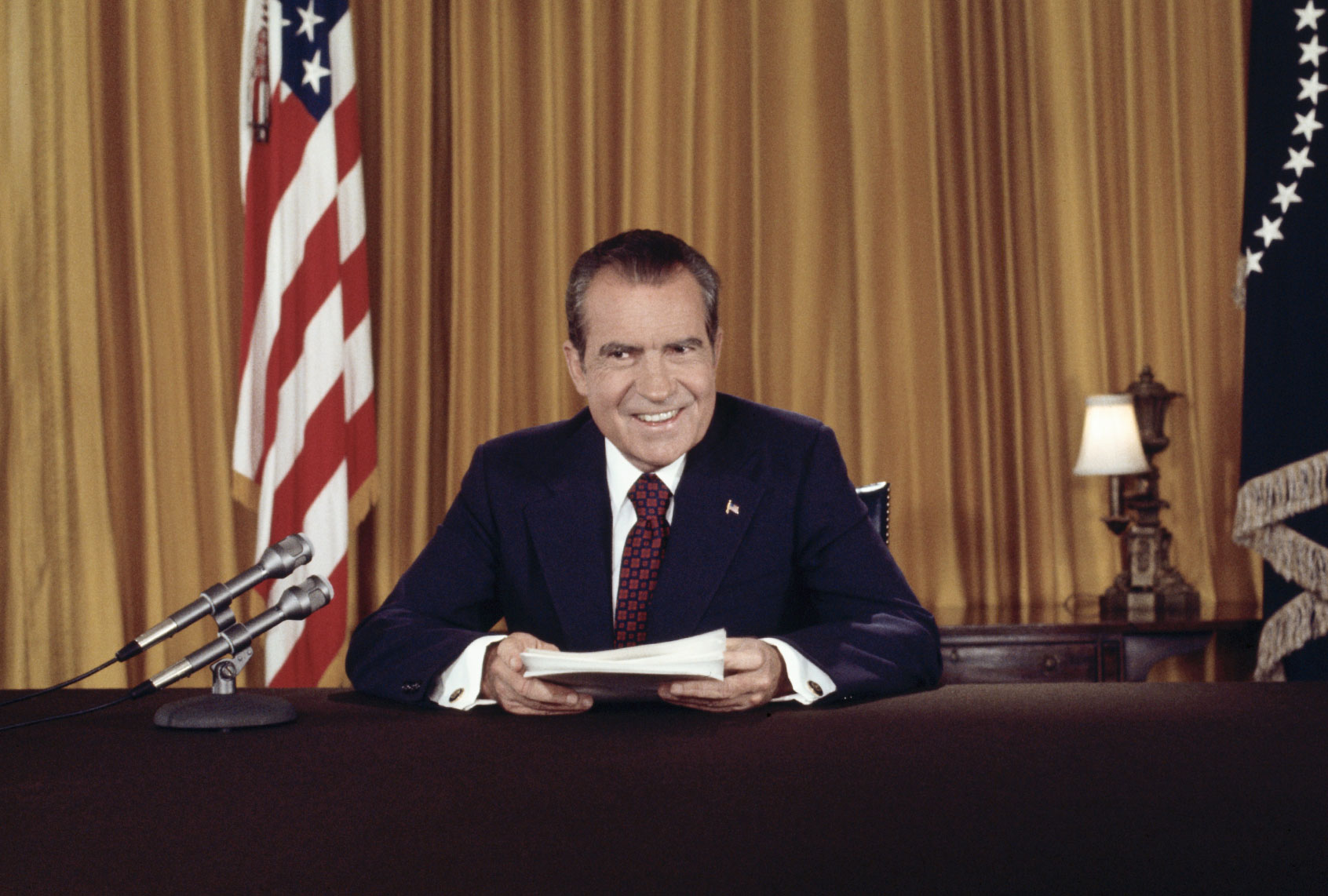
When Richard Nixon lost to John F. Kennedy in the 1960 presidential election, he correctly suspected that he had been robbed. In Texas, Kennedy's vice presidential running mate Lyndon Johnson used a network of rural bosses to stuff ballot boxes; 1,000 miles to the north, mob bosses and crooked pols in Chicago were similarly rigging the results. Yet despite his valid complaints, Nixon ultimately decided not to publicly challenge the results, later writing that "the mark of the good loser is that he takes his anger out on himself and not on his victorious opponents or on his teammates."
"To understand Nixon is to appreciate that his self-aggrandizement was key... to the way he told his life story to himself, an attempt to cast himself as the noble victim not only publicly but privately."