
Stepping into your garden after a long winter and realizing you’ve become a vegetable tycoon is a feeling unlike any other. Gardeners everywhere dream of that moment—the moment when everything you planted actually grows, and grows well, and grows more than you expected.
But the secret behind those show-stopping spring harvests isn’t luck, fairy dust, or whispering sweet compliments to your carrots. It’s a strategic, science-backed crop rotation plan that quietly multiplies your yields while making your soil healthier than it’s ever been. If you’ve ever wondered how some gardeners pull off the kind of harvests that make neighbors suspicious, this is the method they’re using.

Why Crop Rotation Works Wonders
Crop rotation is much more than shuffling plants around for fun; it’s a time-tested system that rewires the soil’s natural rhythms. Every type of plant takes certain nutrients and gives back others, and rotating them prevents any single nutrient from being drained dry. It also stops soilborne pests from settling in like they’ve found their forever home. By changing up the plant families each season, you break pest cycles and reduce disease outbreaks without lifting a single spray bottle. When done right, rotation creates a powerful ripple effect that bursts into life when spring planting begins.
The Power Of Legume-First Planting
Starting your rotation plan with legumes is like giving your soil a spa day, a pep talk, and a protein shake all at once. Legumes—peas, beans, and lentils—pull nitrogen from the air and stash it directly into the soil. This creates a nutrient-rich foundation for whatever you plant next. When spring rolls around, the soil is already primed with the exact nutrients fast-growing crops crave. Think of legumes as the silent heroes who prepare the arena for the vegetables that steal the spotlight.
Leafy Greens Love The Second Spot
After your legumes have finished working their magic, leafy greens step in to take advantage of the nitrogen-rich soil. Lettuce, spinach, kale, and bok choy practically throw a party when planted after legumes. These crops thrive in nutrient-heavy beds, shooting up leaves faster than you can say “salad for dinner again.” Rotating leafy greens into this slot keeps your soil balanced and prevents them from depleting more sensitive nutrients. This one switch alone can make your spring harvest feel like it doubled overnight.
Root Vegetables Thrive On Leftover Goodness
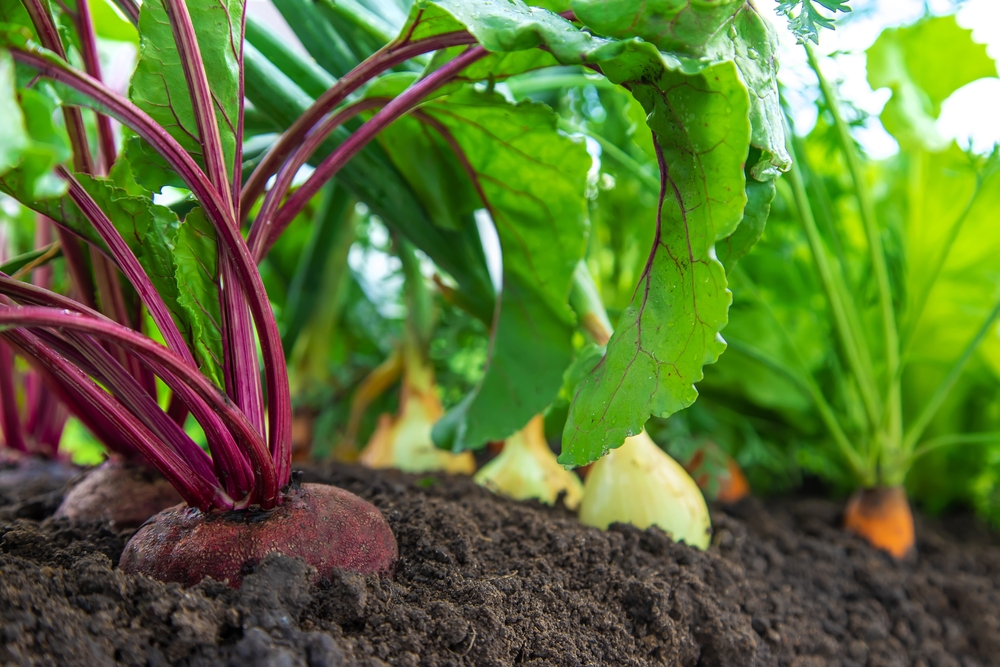
Root vegetables are the perfect third act in the rotation cycle because they’re incredibly efficient at using the leftovers. Carrots, radishes, beets, and turnips grow beautifully in beds that have been depleted just enough by leafy greens. They don’t need the same nitrogen punch; instead, they benefit from reduced competition and the improved soil structure created earlier. Their deep roots loosen the soil even further, prepping the ground for the next round of plant families. By the time your root vegetables are harvested in spring, the soil feels soft, healthy, and ready for another rotation.
Fruiting Plants Bring The Grand Finale
The last stage of the rotation gives you the glamour crops—tomatoes, peppers, cucumbers, and squash. These plants are heavy feeders, but because they come last, you’re planting them into soil that has been gradually enriched and balanced over multiple cycles. Fruiting plants often struggle in nutrient-poor conditions, but under this rotation system, they flourish with surprising vigor. Their roots dive into soil that’s been carefully conditioned by all the previous plant families. By the time spring arrives, fruiting crops are primed to surge into growth with explosive productivity.

The Soil Health Boost That Makes All The Difference
Healthy soil isn’t just dirt—it’s a living, breathing universe of microbes, minerals, and organic matter that respond dramatically to crop rotation. Each plant family encourages different beneficial microorganisms to thrive. Rotating your crops ensures that no single microbe takes over, creating a harmonious underground ecosystem. When spring comes, your soil wakes up already lively and dynamic, giving your plants a major jump-start. This biological boost is a huge reason why spring harvests can suddenly triple with a proper rotation plan.
Weed And Pest Pressure Drop Naturally
One of the sneakiest benefits of crop rotation is the natural decline in weeds and pests. Many pests specialize in a single plant family and panic when their favorite crops disappear. Weeds also lose their advantage when the nutrient environment keeps shifting each season. This creates cleaner beds, stronger plants, and far less maintenance as spring approaches. The cumulative effect is that your vegetables get more space, more sunlight, and far more energy to flourish.
Rotating Beds Maximizes Space And Efficiency
Gardeners with limited space often assume crop rotation is impossible, but it’s actually the most space-efficient system available. Rotating beds means every inch of soil is always being used to its full potential. Small gardens benefit even more because soil exhaustion happens faster in compact spaces. With a rotating plan, every bed stays fertile, balanced, and productive throughout the year. By the time spring arrives, you’ve essentially turbocharged your layout without needing more land.
The Spring Harvest Payoff
When rotation is done faithfully throughout the previous seasons, the payoff hits like a firework show in spring. Your plants germinate faster, grow stronger, and yield more than expected because the soil isn’t fighting them—it’s feeding them. You’ll find yourself harvesting earlier and more often, sometimes to the point where you’re giving away produce because your fridge can’t handle it. The health, size, and flavor of your vegetables all improve dramatically. It’s one of the rare gardening strategies where the results feel almost too good to be true.
Start Rotating, Start Winning
A well-planned crop rotation system doesn’t just maintain your garden—it transforms it. With healthier soil, fewer pests, easier maintenance, and stronger seasonal growth, your spring harvests can multiply in ways that feel almost magical. Whether you’re a seasoned gardener or just starting out, this rotation method gives your plants the foundation they need to thrive year after year.
Ready to see the transformation for yourself? Share your thoughts, stories, or garden experiences in the comments.
You May Also Like…
How Crop Rotation Planning Starts in Autumn
Garden Planning: Crop Rotation
How to Mow and Mulch for a Perfect Lawn Come Spring
9 Fall Harvest Crops That Can Be Stored Without Refrigeration
Why Garden Nets Can Protect Late Crops
The post The Crop Rotation Plan That Triples Spring Harvests appeared first on Frugal Gardening.







