MPs have endorsed a comprehensive set of reforms to criminal law which include new provisions concerning pornography and fly-tipping.
The wide-ranging Crime and Policing Bill also introduces new respect orders designed to tackle antisocial behaviour and eliminates the £200 threshold for what is currently classified as "low level" theft.

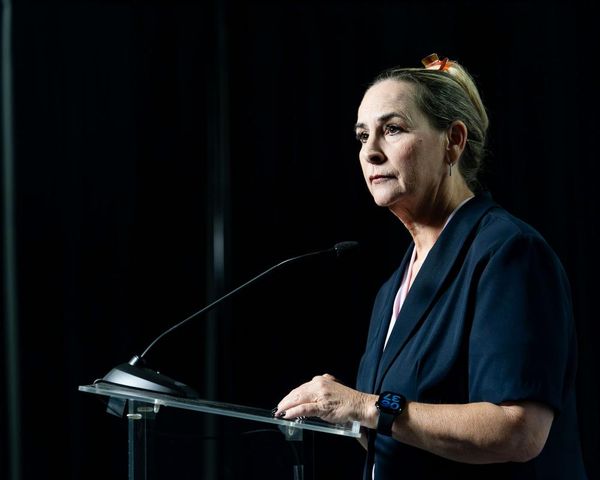
Home Office minister Sarah Jones characterised the draft legislation, which extends to over 550 pages, as "the largest criminal justice Bill in a generation".
However, the Government encountered considerable criticism from its own Labour backbenchers regarding plans that would mandate senior police officers to consider a protest movement’s cumulative disruption when imposing conditions.
Labour MP Andy McDonald argued the change in law represents “the dangerous erosion of civil liberties”, while his party colleague Apsana Begum warned “the assault on the right to protest could lead us down an extremely worrying path”.
However, Ms Jones told the Commons the new duty was a “small change”, adding: “We have no desire nor would we ever reduce people’s rights to protest.”
Mr McDonald led rebellious Labour MPs through the “no” lobby, as part of a wider “wrap up” vote on items of outstanding business at the end of the debate.
He lost the protest vote by 247 to 21, majority 226.
Under the draft legislation, tech bosses will be held personally liable if their platforms fail to remove intimate images of people shared without their consent.

Senior executives without a reasonable excuse could face imprisonment or a fine or both if their companies fail to comply with Ofcom’s enforcement decisions to remove non-consensual intimate images.
Possessing or publishing images of sex between real or pretend relatives is set to become a crime.
And following a Government climbdown, step-relative pornography will also be banned if at least one of the performers was or was pretending to be aged under 18.
Ministers had previously resisted Conservative peer Baroness Bertin’s bid for a ban, warning not all relationships between adult step-relatives are illegal in real life.
Speaking on Tuesday, Ms Jones said: “I completely agree with the need to curtail the depiction of step-incest pornography in cases where it portrays content that is illegal to that extent.”
MPs also backed a Lords amendment that would pardon women who have been convicted of having an illegal abortion, as well as those who were cautioned.
The amendment would also expunge the records of investigations, arrests and charges of women under abortion law, whether or not they were found guilty.
It comes after MPs voted in favour of decriminalising women terminating their own pregnancies, as part of the same Bill, in June last year.
MPs also settled with the Lords’ position that repeat fly-tippers should face losing their driving licence, with three to nine penalty points given to repeat offenders.
Ms Jones told MPs: “I fully appreciate and understand the damage that fly-tipping can do to our communities.”
But the minister said a Lords bid to strip fly-tippers of their vehicles was unnecessary, because “there are already powers for the seizure of vehicles”.

MPs voted down the proposal to change the law on vehicle seizures by 291 to 174, majority 117.
During the debate, several Labour MPs spoke in support of blocking the change to protest rules, including Liverpool Riverside MP Kim Johnson, who said the amendment had “sneakily come through the back door”.
The change was written in to the Bill by the Government during its House of Lords stages, meaning MPs had not been able to scrutinise it in the chamber until Tuesday.
Mr McDonald threatened to lead a backbench rebellion over the issue, telling the Commons: “If the Government was confident in its amendment, it would put it to a vote.”
The Middlesbrough and Thornaby East MP pointed to the Suffragettes and the anti-apartheid movement as examples of “cumulative and persistent protest”.
Ms Johnson argued “protest is part of the lifeblood of the Labour movement”, as she urged MPs to “reject the vast expansion of anti-protest powers”.
Ms Jones replied that “imposing conditions means things like moving where a march is going, limiting the hours that it can be working under, or limiting the number of people”.
Police forces can already take into account the cumulative disruption of repeat protests, the minister said.
John McDonnell, Labour’s former shadow chancellor, said MPs were being “bounced” into a decision without a proper vote, and that rushed legislation can lead to “significant mistakes”.
Labour’s Mary Kelly Foy (City of Durham) also said it would be “naive not to ask how a future hard-right government might use a power like this”, while her party colleague Chris Hinchliff (North East Hertfordshire) said it “dangerously infringes on civil liberties”.
A bid by crossbench peer Lord Walney to allow for the criminalisation of membership or promotion of groups thought to cause violence or disruption but below the terrorism threshold was rejected by 300 votes 101, majority 199.
The Bill will now return to the House of Lords where peers will consider the Commons’ amendments.
A final draft must be agreed by both Houses if it is to become law.
MPs back pardon for women convicted of having illegal abortions
Government wins confidence motion but loses junior minister
Opposition rounds on Government and ministers over handling of protests
Asylum hotels ‘spiralled out of control’, minister admits as more closures announced