Owning a firearm for protection is a right most of us take seriously. However, a shifting landscape of bureaucratic red tape makes it harder and more expensive to stay legal. You might have heard whispers about federal efforts to streamline suppressor paperwork. Yet, the reality of how federal mandates clash with state statutes remains a dangerous trap. If you are not careful, a simple misunderstanding could leave you facing steep fines or criminal charges. We are pulling back the curtain on this regulatory mess to help keep your record clean.

The Compliance Gap Between State and Federal Law
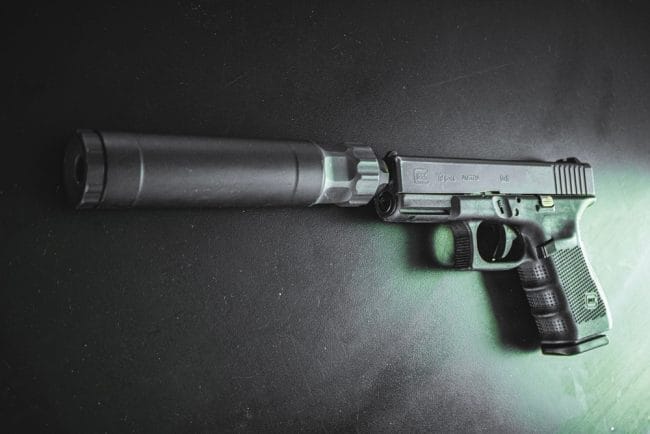
The biggest issue involves the lack of communication between different levels of government. Federal agencies manage the approval process for safety equipment like suppressors under the National Firearms Act (NFA). However, several states have not updated their own penal codes to match shifting federal guidance. This creates a gray area where you think you are following the law. In reality, your local sheriff’s department might view your equipment as a violation of state-level restrictions. It is a case of the right hand not knowing what the left hand is doing. You must pay the price for this confusion.
Always check your specific state’s suppressor laws before you travel with your equipment. A federal tax stamp does not always override state-level bans. Being legal in the eyes of the ATF provides no shield if your state has not ratified similar language. In states that challenge these shifts, the cost of a mistake often includes heavy fines and massive legal fees. This is not just about a piece of metal. It involves a hidden system of overlapping jurisdictions that can catch law-abiding citizens off guard. Keeping digital and physical copies of all permits and tax stamps is a survival tactic for your wallet.
Why a Simple Fine Is Just the Beginning
The financial sting of a fine often takes a backseat to the administrative nightmare that follows. When a state pushes back against federal deregulation efforts, they may use aggressive enforcement to make a political point. An accidental violation could result in the temporary seizure of your property. You essentially become a pawn in a constitutional tug-of-war between state capitals and Washington D.C. If the language in your state remains vague, consult with a qualified firearms attorney. Do not make assumptions about your equipment’s status based on ATF eForm processing times or federal news alone.
Protecting Your Wallet from Regulatory Overreach
Federal efforts to simplify the NFA process should provide clarity. Instead, they have resulted in a patchwork of confusion across the country. Staying informed is your best defense against these “gotcha” style regulations. You should not have to be a legal scholar to exercise your rights. However, a little research goes a long way in today’s climate. Do not let a paperwork technicality become a permanent financial burden. Taking the initiative to verify your local state gun laws ensures you remain the master of your own protection.
Have you encountered conflicting advice from local gun shops versus what you read online about these rules? Leave a comment below and share your experience with state-level confusion.
What To Read Next…
- Georgia Gun Owners: What the Latest State Rules Really Mean for Firearms Stored in Your Car
- Florida’s 18–21 Gun Debate Is Back: What HB 133 Really Means in 2026
- Gun Owners Alert: 6 States May End Concealed Carry Reciprocity This Month
The post The Confusing New Federal Suppressor Rule: Why Some States Say It Could Cost You $500 appeared first on Budget and the Bees.