
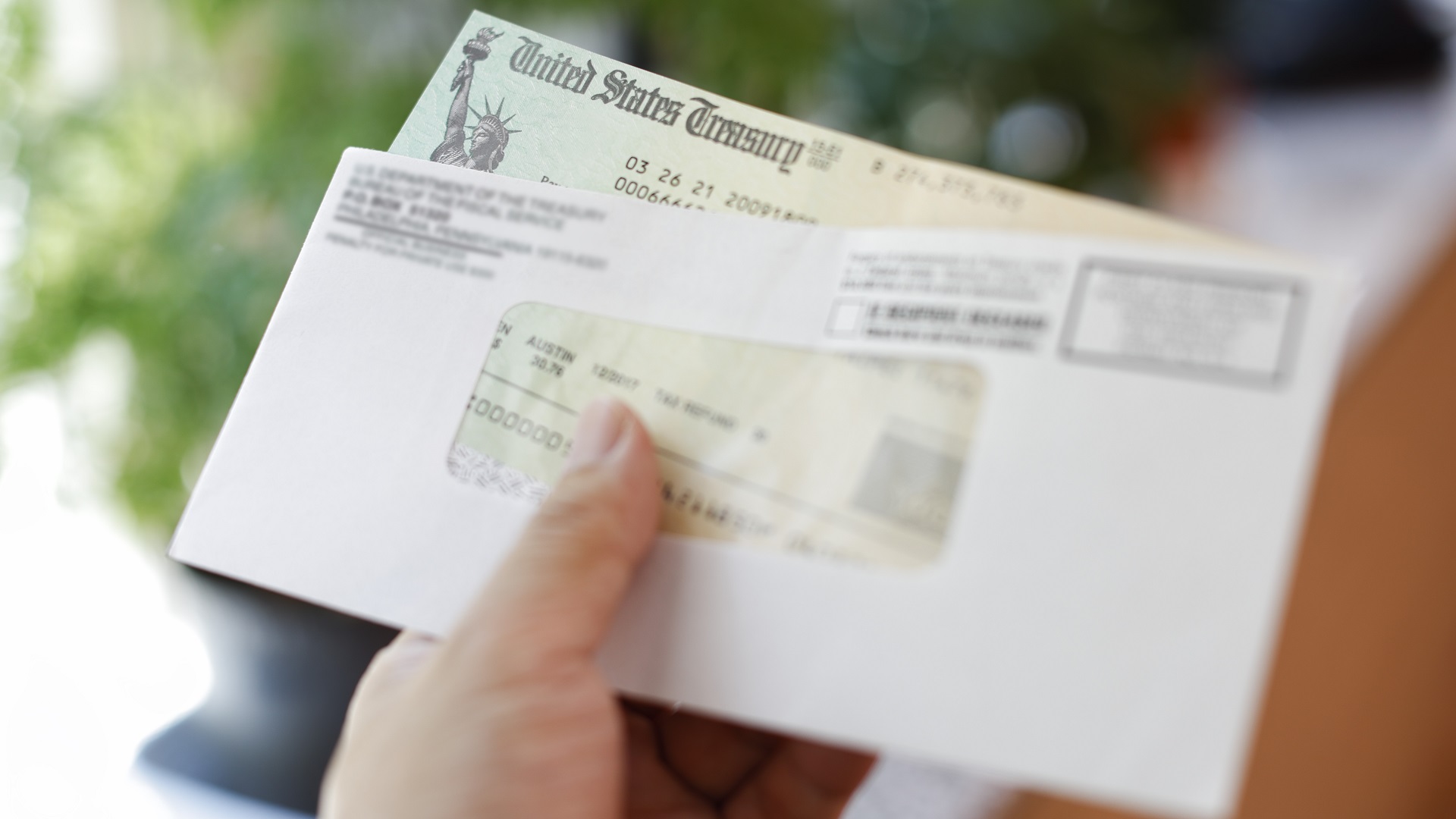
A big tax refund is always something to celebrate. That is, until you realize that it’s always been yours.
In 2025, the average refund amount was $3,052, totaling just under $312 billion, according to the IRS. And while that kind of money hitting your bank account feels great, it also represents a bigger issue: Millions of people are giving the government more than they need to throughout the year.
Here’s what that actually means for your money and how to keep more of it throughout the year.
Tax Refunds Are an Interest-Free Loan to the Government
According to the Tax Foundation, overpaying taxes can be viewed as an interest-free loan to the government. While this may be better than the one-fifth of taxpayers who underwithhold, the organization pointed out, you’re still giving up money each paycheck that could be working for you instead.
A blog on GYL, a firm that provides accounting, audit, business advisory and tax services, added that this interest-free loan is also costing you money that could be generating interest or invested for potential gains.
It’s also about smarter financial planning and making your money work for you, not the government, GYL noted. This could be through investment avenues, accruing interest in a savings account, or reducing debt. The article stated that these alternatives offer better financial returns or savings than a zero-interest loan to the government.
Discover Next: 7 Tax Loopholes the Rich Use To Pay Less and Build More Wealth
Find Out: 9 Low-Effort Ways To Make Passive Income (You Can Start This Week)
How To Adjust Your Withholding To Keep More of Your Money
If you regularly receive a large tax refund, it likely means too much is being withheld from your paycheck, or you’re overpaying estimated taxes.
Here’s how to adjust your withholding so more of your money stays in your pocket during the year:
- Update Form W-4: Use the IRS Withholding Estimator to get a better picture of what you should withhold based on your income, filing status, deductions and credits.
- Review your withholding after major life changes: Marriage, divorce, having a child or starting a new job can alter your tax situation.
- Adjust your estimated tax payments if you’re self-employed: Reduce overpayments by recalculating estimates quarterly, especially if your income fluctuates.
- Check your paystub or payment confirmations: Make sure your new withholding or estimated payment amounts match what you updated.
The goal is to get your refund amount as close to zero as possible. This keeps more money in your pocket during the year without leaving you with a tax bill in April or giving the government a zero-interest loan. A yearly review can also help keep you on track.
Another option is to consult with a tax advisor who can review your income, deductions and estimated payments to make sure your withholding is accurate. They can also help you make adjustments as your financial situation changes, so you’re not giving up more of your paycheck to the government than necessary.
More From GOBankingRates
- Mark Cuban Warns 4 Key Industries Could Crumble in the Next Recession
- Here's What Retirees Wasted the Most Money On in 2025 -- and How To Avoid It in 2026
- How Middle-Class Earners Are Quietly Becoming Millionaires -- and How You Can, Too
- 6 Safe Accounts Proven to Grow Your Money Up to 13x Faster
This article originally appeared on GOBankingRates.com: The Brutal Truth About Your Tax Refund