
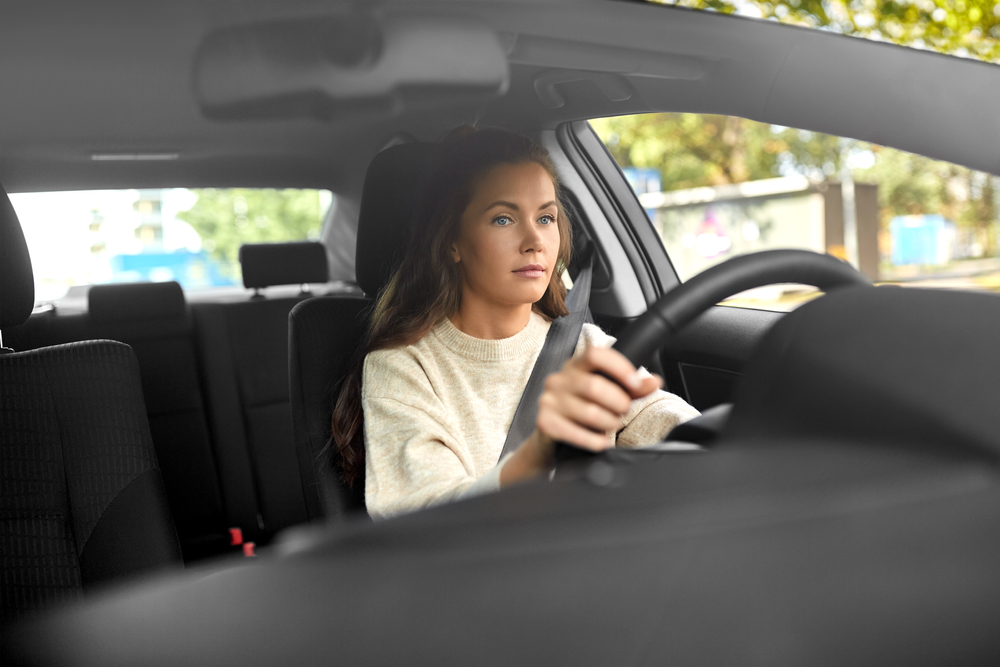
You might consider yourself a safe driver, but your car’s internal computer may have a different opinion. In January 2026, a massive privacy scandal has officially reached its boiling point. For years, major automakers have been quietly collecting granular data on your driving habits, from how hard you hit the brakes to the exact second you exceed the speed limit, and selling it to data brokers who then package it for your insurance company. This week, the Federal Trade Commission (FTC) issued a landmark 20-year order against General Motors (GM) and its OnStar division, following allegations that they secretly tracked millions of drivers. If your insurance premium jumped by 20% or 80% this year without an accident on your record, you may be a victim of the “Black Box” betrayal. Here is how the surveillance works and what you can do to shut it off.
The Smart Driver Trap
The controversy centers on features like GM’s “Smart Driver” or similar apps from Kia, Hyundai, and Honda. These programs are often pitched as gamified safety tools that help you become a better driver. However, the fine print, which many consumers unknowingly accept while setting up their car’s infotainment system, often grants the automaker permission to sell your data. According to the FTC’s January 15, 2026, final order, GM was caught sharing precise geolocation and behavior data, sometimes as frequently as every three seconds, with data brokers like LexisNexis and Verisk. These brokers then create a risk score that insurance companies use to justify rate hikes.
What Exactly Is Being Tracked?
Modern connected cars are essentially smartphones on wheels. In 2026, the sensors in your vehicle are reporting a staggering amount of information. Here’s what’s being reported:
- Hard Braking: Every time you “slam” on the brakes to avoid a squirrel or a yellow light, it’s logged as a high-risk event.
- Rapid Acceleration: Floor it to merge onto the highway? Your car notes the throttle position.
- Late-Night Driving: Statistically, accidents happen more at night. If you work a graveyard shift, your “Black Box” may flag you as high-risk simply for being on the road at 2:00 AM.
- Seatbelt Usage: Some data reports even include whether you and your passengers were buckled in for every trip.
The 2026 “Verisk” Retreat
In response to the mounting legal pressure and the FTC crackdown, the data broker Verisk announced it has officially stopped accepting data directly from automakers to generate these risk reports. However, as reported by The Record, LexisNexis Risk Solutions continues to promote its driver behavior products. While some automakers like GM have terminated their partnerships with these brokers, others may still be transmitting data through “opt-in” programs that are buried in the “I Agree” screens of your car’s mobile app.
Why Your “Privacy” Is State-Dependent
Currently, privacy protections for this data are a geographic lottery. California is the only state that strictly limits how telematics data can be used for insurance rating. In the other 49 states, insurers can use surreptitiously collected data to hike your rates. In 2026, Texas and Nebraska have joined the fight, with Texas Attorney General Ken Paxton filing lawsuits against insurers for violating state data privacy acts.
How to Muzzle Your Car
You don’t have to be a victim of the Black Box betrayal. In 2026, you can take these three steps to reclaim your privacy. First, request Your Consumer Disclosure Report. You have a legal right to see what data brokers have on you. Visit the LexisNexis Consumer Portal and request your “Full File Disclosure.” If you see hundreds of pages of driving “events,” you know why your rates are high. Next, audit your infotainment settings. Go into your car’s settings menu under “Privacy” or “Data Usage.” Look for terms like “Usage-Based Insurance,” “Driving Score,” or “Smart Driver” and toggle them off. Lastly, use the Privacy4Cars Vehicle Privacy Report tool. Simply enter your VIN, and it will tell you exactly what your specific make and model is capable of collecting and which connected services you should disable. With these simple strategies, you can protect your privacy.
Have you noticed a sudden jump in your insurance despite a clean record? Leave a comment below.
You May Also Like…
The post The “Black Box” Betrayal: How Your Car is Reporting Your 2026 Driving Habits to Your Insurance Company appeared first on Thousandaire.