Apple is poised to unveil a suite of new artificial intelligence features at its annual developers' conference, commencing Monday, marking the final such event under the leadership of CEO Tim Cook before John Ternus assumes the role in September.
The World Wide Developers Conference (WWDC), which draws thousands of developers from approximately 60 countries to Apple’s Silicon Valley headquarters, traditionally emphasizes software innovations, in contrast to the autumn launch of the latest iPhones.
Analysts anticipate the iPhone maker will provide updates on new AI capabilities, particularly advancements concerning its Siri voice assistant.
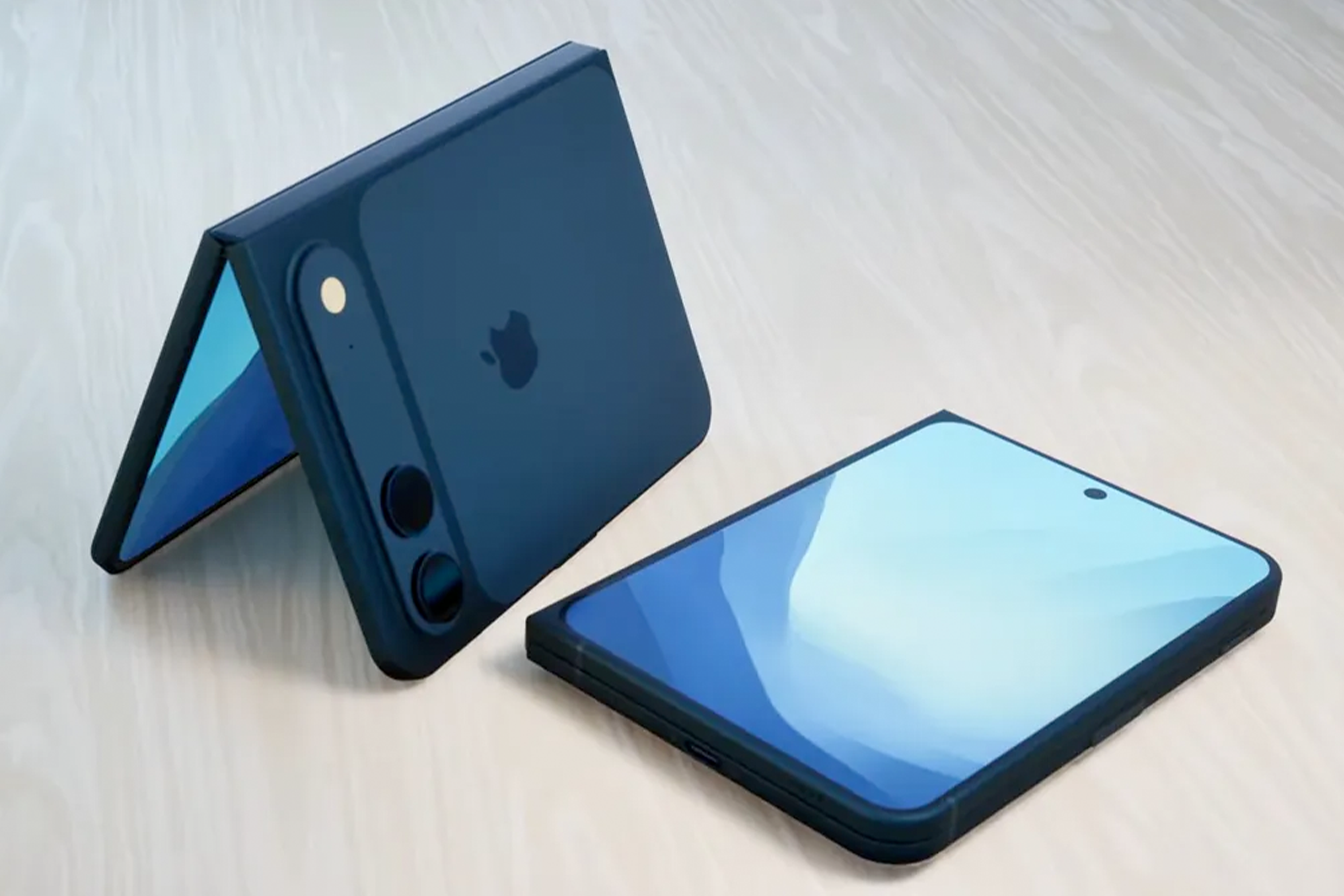
"While hardware products are rarely launched at a developer show, we could see hints of Apple’s expansion into foldables, wearables, and smart home products by way of developer and ecosystem updates," noted Emarketer senior analyst Gadjo Sevilla, who characterized 2026 as a "transition year" for the conference.
Apple has been striving to catch up with its Big Tech counterparts in the AI race, currently utilizing Google’s Gemini AI model to power some of its features.
Sevilla predicts Siri will be reimagined as an AI chatbot, becoming more conversational, capable of recalling previous discussions, and able to execute multiple tasks from a single request.
Optimism surrounds the potential for an enhanced Siri, he added. "An upgraded, agentic version of Siri — capable of managing conversations and tasks across iPhones, Macs, and iPads — could become as ubiquitous as features like AirDrop and Handoff, which already unify Apple’s ecosystem," Sevilla stated.
Cook announced his retirement in April, concluding a 15-year tenure that saw the company’s market value surge by over $4 trillion during an era propelled by the iPhone.
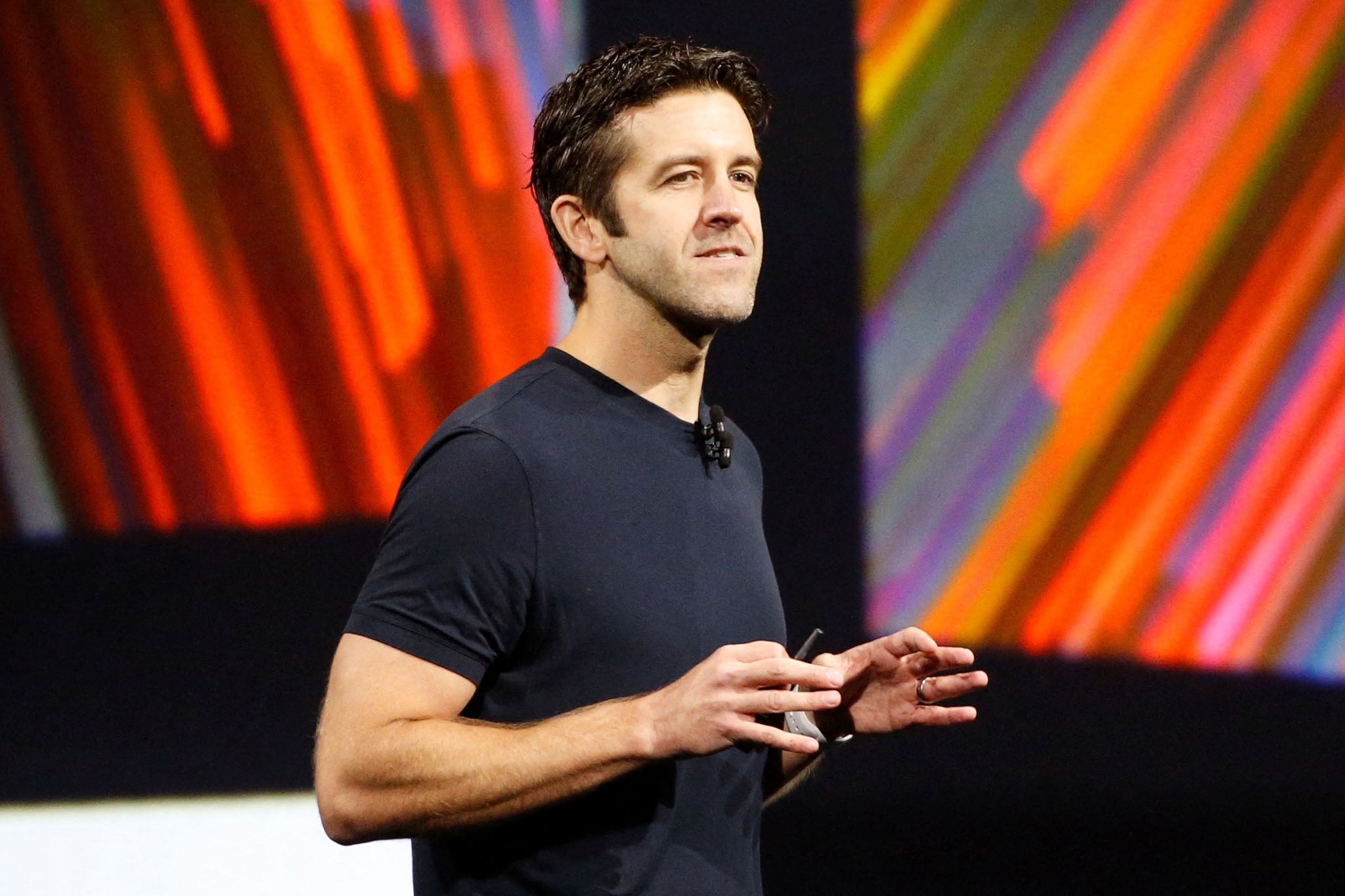
Ternus, with Apple for a quarter-century, has spent the last five years overseeing the engineering behind the iPhone, iPad, and Mac, positioning him as a prime successor to Cook.
This leadership transition arrives at a critical juncture for Apple. Artificial intelligence has triggered the most significant industry upheaval since the debut of the first iPhone in 2007.
Apple has faced a challenging start in AI, having stumbled in its efforts to deliver new features built on the technology, despite promises made nearly two years ago.