
Get all your news in one place.
100’s of premium titles.
One app.
Start reading
Saving Advice
Saving Advice
Amanda Blankenship

The Best State for Free Clinics in 2026: Why California Leads in No-Cost Care

free clinics
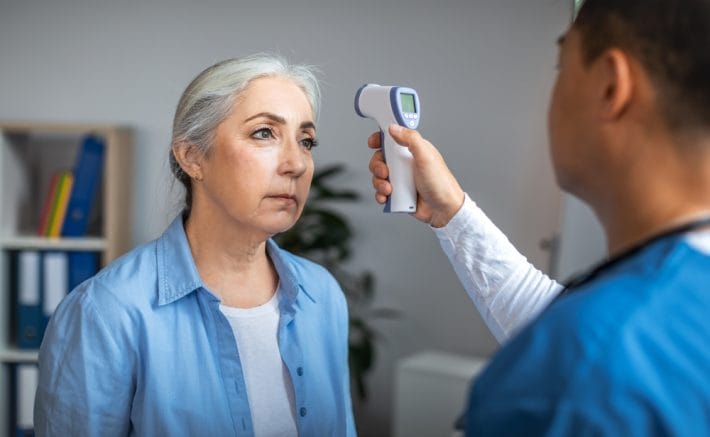
Image Source: Shutterstock

For millions of Americans, getting medical care without insurance can feel nearly impossible. A single doctor’s visit can cost hundreds of dollars, while hospital bills can spiral into the thousands. That’s why free clinics have become a vital part of the healthcare safety net, especially for uninsured or underinsured patients. These clinics provide everything from basic checkups to dental and vision care at little or no cost. In 2026, one state continues to stand out for its robust network of free clinics: California.

California Has One of the Largest Free Clinic Networks in the U.S.

One of the biggest reasons California leads in no-cost care is sheer availability. The state has hundreds of free and low-cost clinics that serve people who cannot afford traditional healthcare. Some directories list more than 1,400 free or affordable clinics across California alone.

These facilities operate in large cities, small towns, and rural communities, making care more accessible than in many other states. The sheer scale of California’s free clinics means more residents can find help close to home.

Volunteer-Driven Care Keeps Costs Near Zero

Many California free clinics rely heavily on volunteer doctors, nurses, and medical students. These professionals donate their time to provide medical services to people who might otherwise go without care. Because staffing costs are lower, clinics can offer treatment completely free or on a sliding scale. In many cases, nonprofit organizations and charitable donations help cover supplies, equipment, and medications. This volunteer model has allowed California to maintain a large network of free clinics for decades.

Strong Safety-Net Programs Expand Access

California’s healthcare safety net plays a major role in supporting free clinics. State policies require counties to provide healthcare services for residents who cannot afford them, creating a foundation for community clinics and nonprofit providers.

This system helps bridge gaps for people who fall outside traditional insurance programs. Community clinics and public hospitals often partner with nonprofit organizations to expand services. Together, they create a safety net that reaches millions of low-income residents.

Community Clinics Serve Millions of Patients Each Year

Free clinics and community health centers in California serve an enormous number of patients annually. Some estimates suggest that community clinics in the state help roughly 7 million low-income residents every year. These clinics provide essential services like preventive care, chronic disease management, and mental health support.

Many patients are working adults who do not receive health insurance through their jobs. Without these clinics, millions of people would have few options for medical care.

Innovative Programs Expand Free Healthcare Access

California has also become a hub for innovative healthcare models that expand free services. For example, student-run clinics operated by medical schools provide care to uninsured patients under physician supervision.

One example is the UC San Diego Student-Run Free Clinic Project, which operates several community locations serving underserved populations. These programs allow medical students to gain real-world experience while helping patients who need care the most. Creative solutions like these continue to expand the reach of free clinics throughout the state.

The Bigger Lesson Behind California’s Free Clinic Success

California’s leadership in free clinics shows what’s possible when communities, nonprofits, and healthcare professionals work together. The state’s extensive network proves that accessible healthcare does not always require expensive hospital systems or complex insurance plans. Volunteerism, nonprofit funding, and supportive public policies have helped create a system that serves millions of vulnerable residents.

While challenges remain—especially funding pressures—California’s approach offers a blueprint for expanding healthcare access nationwide. For many Americans struggling with medical costs, free clinics remain one of the most important lifelines available.

Have you ever used a free clinic or community health center? Share your experience in the comments and let others know how it helped you.

What to Read Next

The ‘Facility Fee’ Scam: Why You’re Getting Charged $200 Just for Walking Into a Piedmont Healthcare Clinic

New Medical Coding Rules Are Redirecting Seniors to Higher‑Cost Clinics

Why the $283 Medicare Deductible Is Blindsiding Retirees This Spring

Advanced Primary Care: The New Medicare Service Giving You 24/7 Doctor Access

8 Ways to Get Free, Unbiased Medicare Help (and Avoid Sales Pressure)

Sign up to read this article
Read news from 100’s of titles, curated specifically for you.
Already a member? Sign in here
Related Stories
Top stories on inkl right now
One subscription that gives you access to news from hundreds of sites
Already a member? Sign in here
Our Picks
Fourteen days free
Download the app
One app. One membership.
100+ trusted global sources.