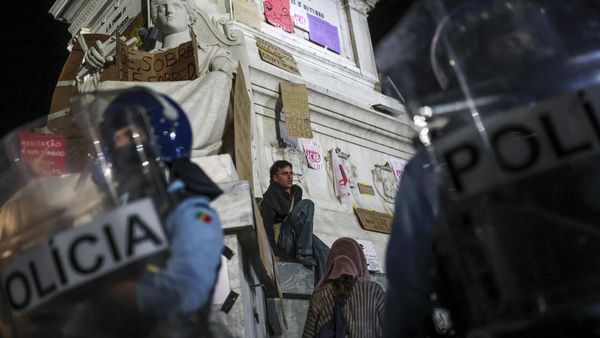
Over the past month, it’s felt like every day has brought a grim reminder of the dangers faced by women on our streets and in our homes. The inquest into the murder of the Epsom college headteacher, Emma Pattison, and her daughter; the conviction of the murderer of the charity worker Elizabeth McCann; the arguments over the release of Joanna Simpson’s killer; the life sentence awaiting the boyfriend of Elinor O’Brien, who stabbed her in a “rageful and violent attack”; the conviction of the serial rapist police officer David Carrick; and the murder of 16-year-old Brianna Ghey. And it’s two years since the disappearance of Sarah Everard, murdered after being stopped on her way home by the rogue police officer Wayne Couzens (affectionately known by his colleagues as “the rapist”).
Against the backdrop of these horrific headlines, I have been having more and more conversations with women about how they feel unsafe in the streets. We’ve exchanged stories of being followed and catcalled, of sharing Uber rides with each other and making sure we text when we’re home safe. We’ve lamented the increased risk of attack that trans women face, and how Black and minority ethnic women face the threat of both racism and misogyny. We’ve discussed the 800 Met police officers under investigation for domestic and sexual abuse, and what it means for women’s trust in the police – though that’s a privilege many women of colour have never had.