
Get all your news in one place.
100’s of premium titles.
One app.
Start reading
GOBankingRates
GOBankingRates
Cara Danielle Brown

The Average US Household Has Six-Figure Debt — Should Americans Be Worried?

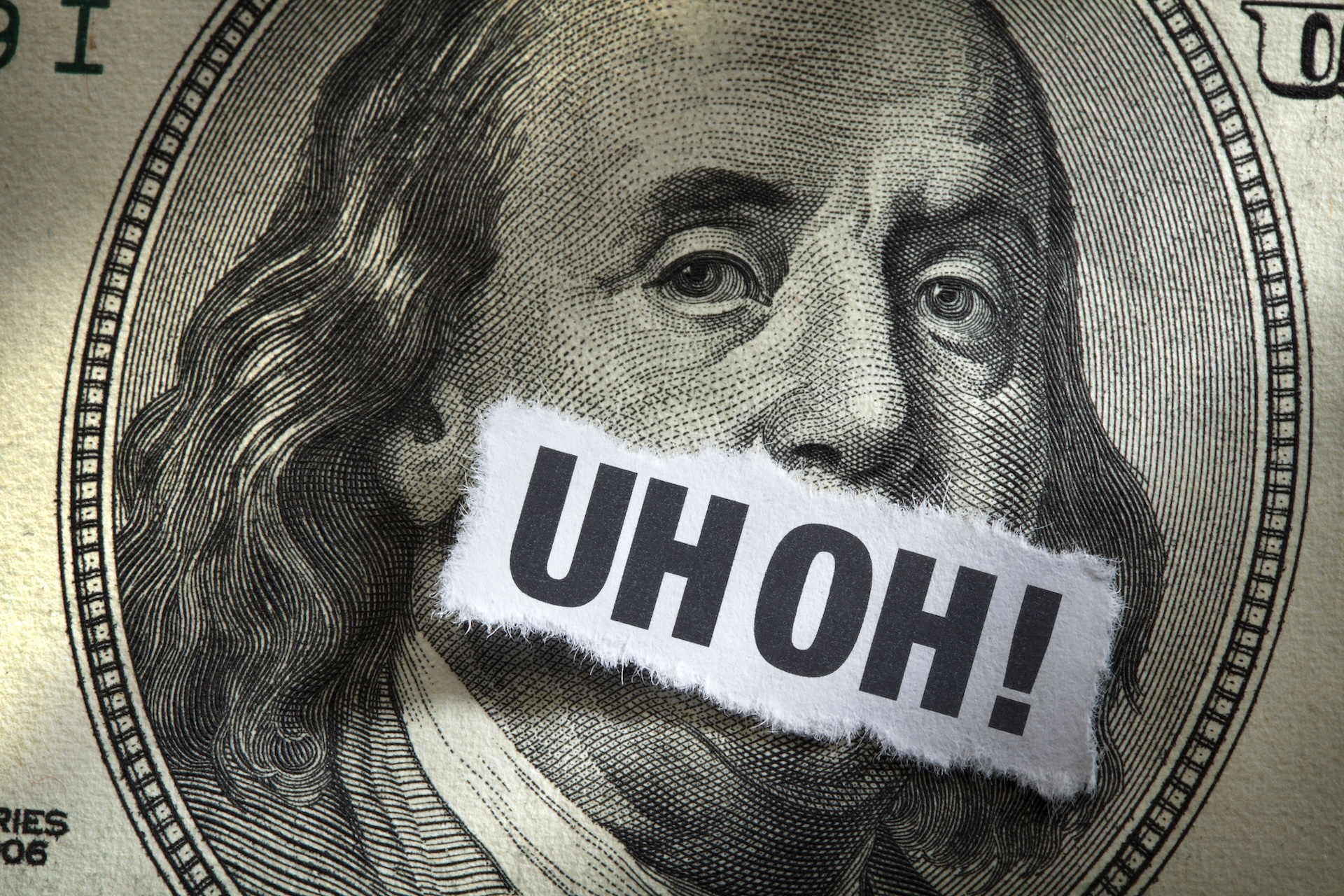
DNY59 / Getty Images

According to WalletHub’s 2025 Household Debt Report, total household debt rose to $18.9 trillion nationwide at the end of quarter three of 2025, with the average U.S. household owing $154,152.

So what does this say about Americans’ finances? Should they be worried? To answer these questions, let’s delve further into the data.

Mortgage Debt

While it’s true that Americans owe $154,152 in household debt, this number includes mortgage debt. According to Ashley Morgan, attorney and owner at Ashley P. Morgan Law, LLC, we tend to see mortgages increase as home values increase over time. This is normal and, in and of itself, nothing about which to be alarmed.

Case in point: the report revealed that, at the end of quarter three of 2025, the average household owed $108,425 in mortgage debt alone.

Read More: Fidelity Says This Is a Surprising Risk of Holding Too Much Cash — Do You Have Too Much?

Find Out: 6 Safe Accounts Proven To Grow Your Money Up To 13x Faster

HELOC Debt

However, the report also showed that home equity line of credit (HELOC) debt is rising, meaning individuals are borrowing against their homes. In fact, HELOC debt increased by $8 billion in quarter three of 2025, marking the fourth consecutive third-quarter increase.

“Increasing mortgage debt for purchases makes sense, but if people are refinancing and taking cash out or taking second mortgages, it means people are tapping into equity for other things,” said Morgan.

In other words, this indicates Americans are running low on money and essentially using their house as a credit card. Which brings us to:

Credit Card Debt

The report revealed that credit card debt increased to $1.23 trillion at the end of the third quarter of 2025. According to Leslie H. Tayne, finance and debt expert and founder at Tayne Law Group, rising credit card debt demonstrates that Americans are attempting to bridge the gap between stagnant wages and soaring costs. And the problem may not be going away anytime soon.

“Credit card debt dropped slightly in Q1 of 2025 from Q4 2024 levels, but increased in Q2 and Q3,” said Tayne. “This is typical of consumer spending throughout the year. Q4 is typically where we see the highest increases in credit card debt, due to holiday spending, and with Q3 in 2025 being just below the peak of Q4 spending in 2024, I project credit card debt will rise overall this year.”

High-interest debt like credit card debt can quickly strain household finances.

What’s the Verdict?

Mortgage debt increased because home prices increased, which is normal. Increases in HELOC debt and credit card debt are not good; these should be debts of last resort.

Based upon the data presented in the report, it’s difficult to come up with a definitive conclusion regarding the credit health of the economy. For that, we must address delinquencies — which, according to co-CEO and co-founder at Achieve, Brad Stroh, are troubling.

According to a recent Achieve Press Release, 69% of consumers failed to reduce their debt last quarter. “The rise in delinquencies for credit card, student loan and auto loans is a lagging indicator of financial stress,” said Stroh. “We are entering a cycle of default that could ripple through the broader economy.”

Yes, Americans should be worried.

More From GOBankingRates

This article originally appeared on GOBankingRates.com: The Average US Household Has Six-Figure Debt — Should Americans Be Worried?

Sign up to read this article
Read news from 100’s of titles, curated specifically for you.
Already a member? Sign in here
Related Stories
Top stories on inkl right now
One subscription that gives you access to news from hundreds of sites
Already a member? Sign in here
Our Picks
Fourteen days free
Download the app
One app. One membership.
100+ trusted global sources.