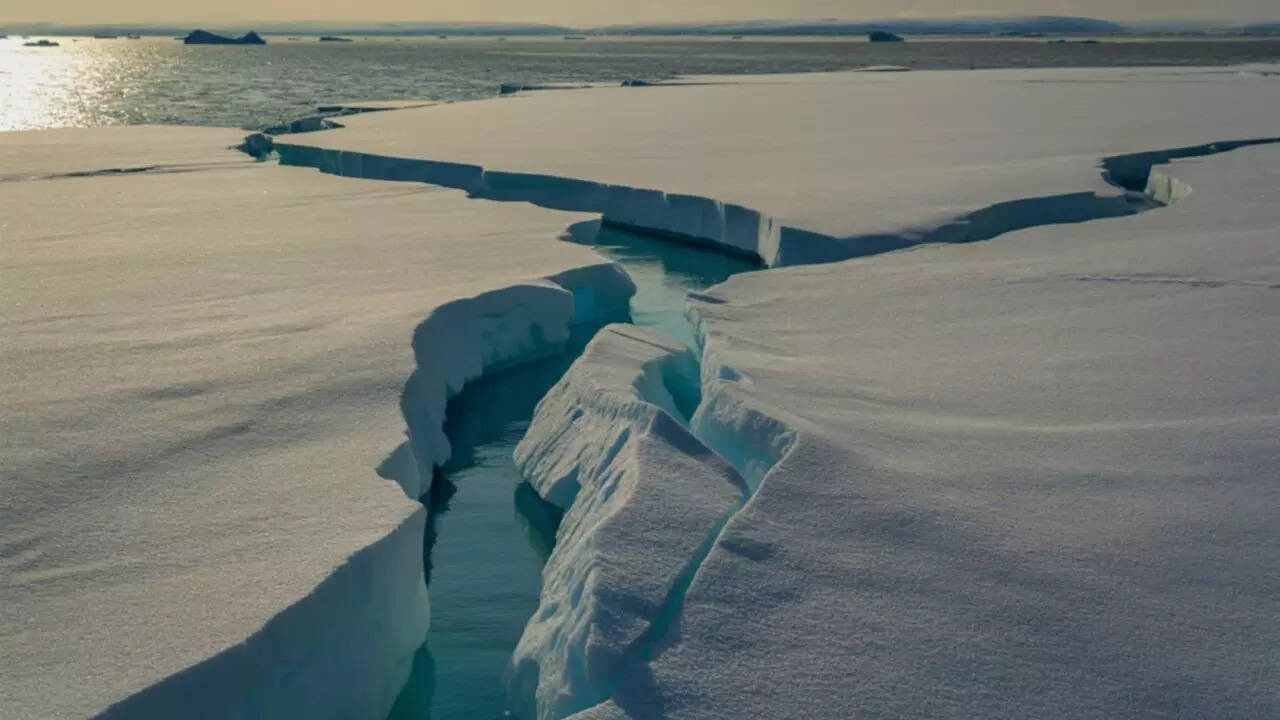
The Arctic is not just getting warmer. It is starting to behave in new manners in ways that are dangerous for nature. For decades, scientists mostly tracked average changes. Slightly warmer summers. Shorter winters. A bit more rain instead of snow. That picture is now incomplete. What matters more, and is changing faster, is extreme weather.
The researchers looked at daily and hourly weather data across the entire Arctic from 1950 to 2022. Not just temperatures, but things that actually hit plants and animals hard. Sudden winter thaws. Rain falling on snow and freezing into ice. Heatwaves in places that rarely had them. Droughts where moisture used to be reliable. They found that these events are becoming more common, more intense, and more widespread. Especially in the last 30 years.