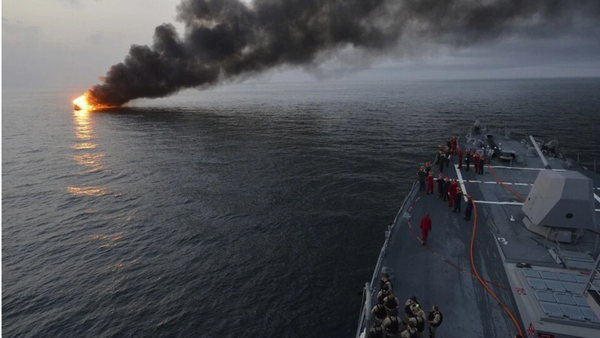
On January 7, a small brush fire was discovered in the mountains above the wealthy Los Angeles enclave of Pacific Palisades. With the help of historic Santa Ana winds and severe drought, within 90 minutes it had consumed 200 acres off Sunset Boulevard. Even for a city rich with architectural gems, the losses may be incalculable.
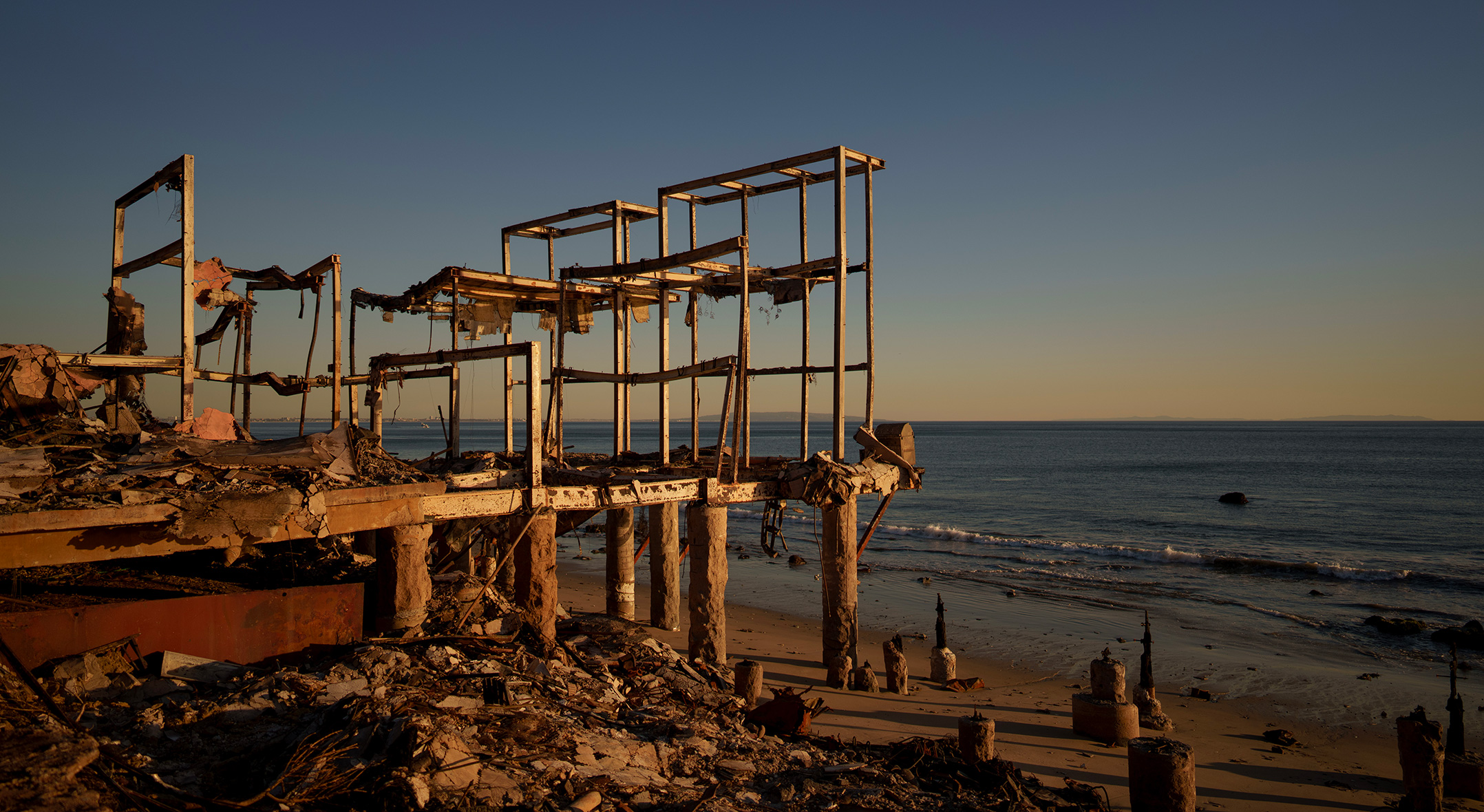
California, having recently bulked up its firefighting resources in the face of climate change, may have been one of the places best prepared to confront wildfire. Not a week later, however, multiple conflagrations have devoured more than 12,000 buildings, 40,000 acres and 24 lives, turning palm trees into welding torches, cascading through golf courses and zoos, senior centres and fitness centres, churches, synagogues and mosques, observatories and theatres. Fire spread east to the edge of Santa Monica and west to Malibu where even Moonshadows, a restaurant with its toes dug into the sand and surf of the Pacific Ocean, has gone up in flames.