
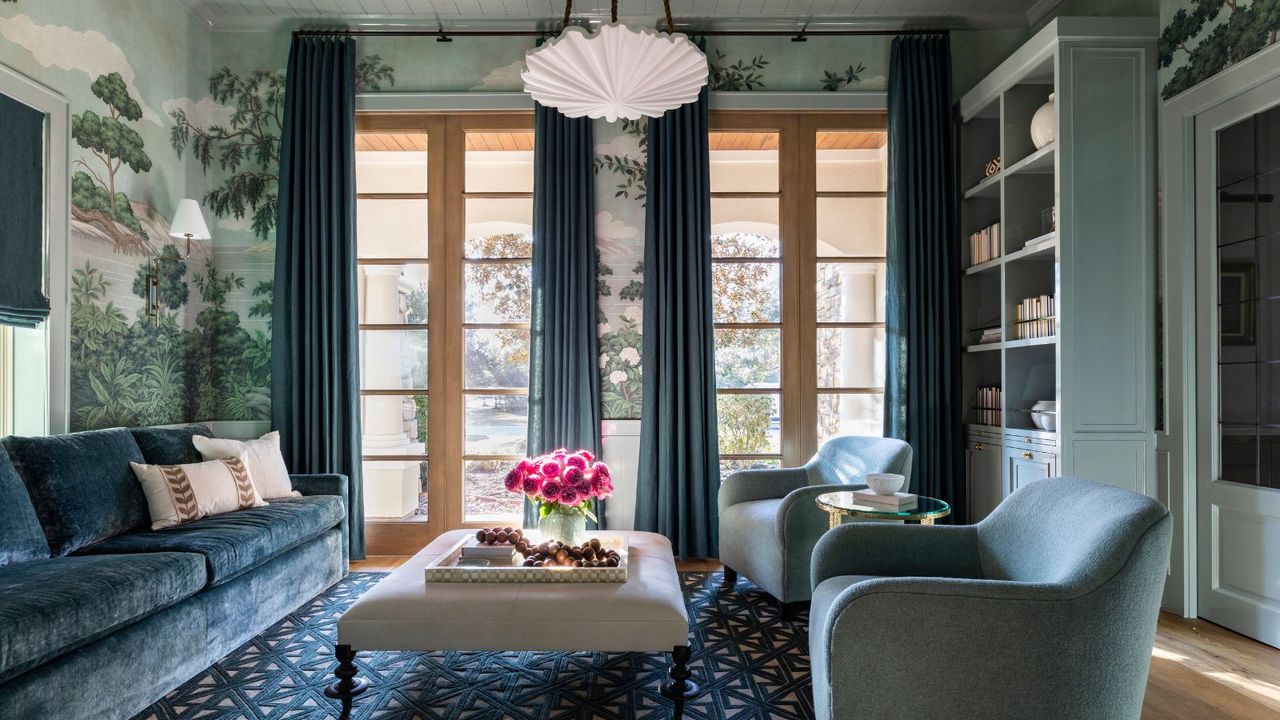
European style is perhaps the most coveted interior design aesthetic. It really does have a je ne sais quoi about it that's nearly impossible to replicate. European homes are layered, relaxed, and effortlessly chic, mixing styles and eras in a way that shouldn't work, but always does.
That's one key design lesson to take from European style – how to blend the old with the new. Effortless European style offers a guide on how to design a chic home that balances the luxuries of the past with designs of the present.

So what should you be looking out for when thrifting or scouring the local vintage markets to help bring this classic look home? From aged writing desks to handwoven tapestries, designers say these are the key pieces they always hunt for when recreating the timeless elegance of European style.
1. Case Goods
One thing you'll almost always notice in a transitional style home is antique storage. Whether it's an aged trunk holding your bed linen or a hand-carved writing desk that stands proud in your home office, case goods are a timeless and practical way to make your home feel steeped in history.
'Beautiful antique case goods are always among my first selections when creating a European feel,' explains interior designer Marie Flanigan. 'Whether it's a centuries-old commode, an English chest, or a hand-carved cabinet, these pieces introduce a richness and patina that can't be replicated. They carry the marks of time, bringing warmth, soul, and a sense of permanence to a space.'
2. Ceramics
'To me, effortless European style has very little to do with following a particular aesthetic and everything to do with creating a home that feels as though it has evolved over time,' says Tanner Morgan of Morgan Madison Design. 'The best European interiors are layered, collected, and deeply personal. Nothing feels overly coordinated or precious. There is a quiet confidence that comes from mixing periods, embracing natural materials, and allowing a home’s imperfections and history to become part of its beauty.'
'When I’m creating that feeling in an American home, I almost always begin with antique and vintage pieces that immediately add soul and a sense of permanence,' adds Tanner. 'I love incorporating handmade pottery and vintage ceramics. Large terracotta vessels, aged olive jars, and imperfect ceramic bowls introduce texture and warmth without feeling decorative for decoration’s sake. They become even more beautiful when left largely unfilled or styled simply with seasonal branches.'
3. Tapestries
Decorating with tapestries always creates the feeling of a collected home. An entryway wall draped with a woven mural or a living room anchored by a textured landscape adds an extra layer, a tell-tale sign of a home that's been influenced by European design.
'I'm equally drawn to antique tapestries,' says Marie. 'Their texture, artistry, and subtle color palettes add an incredible layer of softness and history. They create an atmosphere that feels intimate and collected while lending warmth in a way that feels both visual and tactile.'
Typically, tapestries are better vintage as they inject a dose of character into even the most contemporary spaces and create a balance between new and old. European homes balance the dialogue between opposing styles, bringing together luxurious textures, materials, and antiques, balanced by a warm neutral palette and light-filled architecture.
4. Artwork
'I believe European artwork is one of the most transformative layers in a home,' says Tanner. 'Original oil paintings, charcoal studies, plaster sculptures, and hand-forged metalwork introduce depth and authenticity that reproductions rarely achieve.'
'They don’t need to be museum-worthy pieces; often it’s the imperfect portrait, the weathered landscape, or a sculptural iron object with an unknown provenance that tells the most compelling story,' adds Tanner.
Decorating with vintage art is all about paring things back and letting the pieces breathe. 'The key to styling these pieces is restraint. European homes rarely feel over-accessorized. I like to give antiques room to breathe, pairing them with contemporary upholstery, natural linens, marble, unlacquered brass, and warm woods so the home feels current rather than themed. The dialogue between old and new is what keeps a space feeling timeless rather than nostalgic.'
The Effortless European Edit


It's not just about the smaller antiques you should be collecting when it comes to creating a European-inspired home; it's also about the bones of your space – or the bones you can create using antique materials and fixtures.
'To me, effortless European style often begins with the architecture,' begins Marie. 'While you can certainly infuse a space with European-inspired pieces, it’s always important to create a timeless foundation that feels as though it has always been there. Antique fireplace surrounds, French limestone floors, and hand-applied plaster walls bring an inherent sense of history, texture, and authenticity that immediately grounds a home.'
'These architectural elements become the canvas for everything that follows, allowing the interiors to feel layered, collected, and deeply personal. Europe has always embraced a philosophy rooted in craftsmanship, natural materials, and quiet restraint – creating spaces that feel both elevated and entirely livable.'
Love beautiful design ideas, expert advice, and inspiring decor trends? Sign up for our newsletter and get the latest features delivered straight to your inbox.







