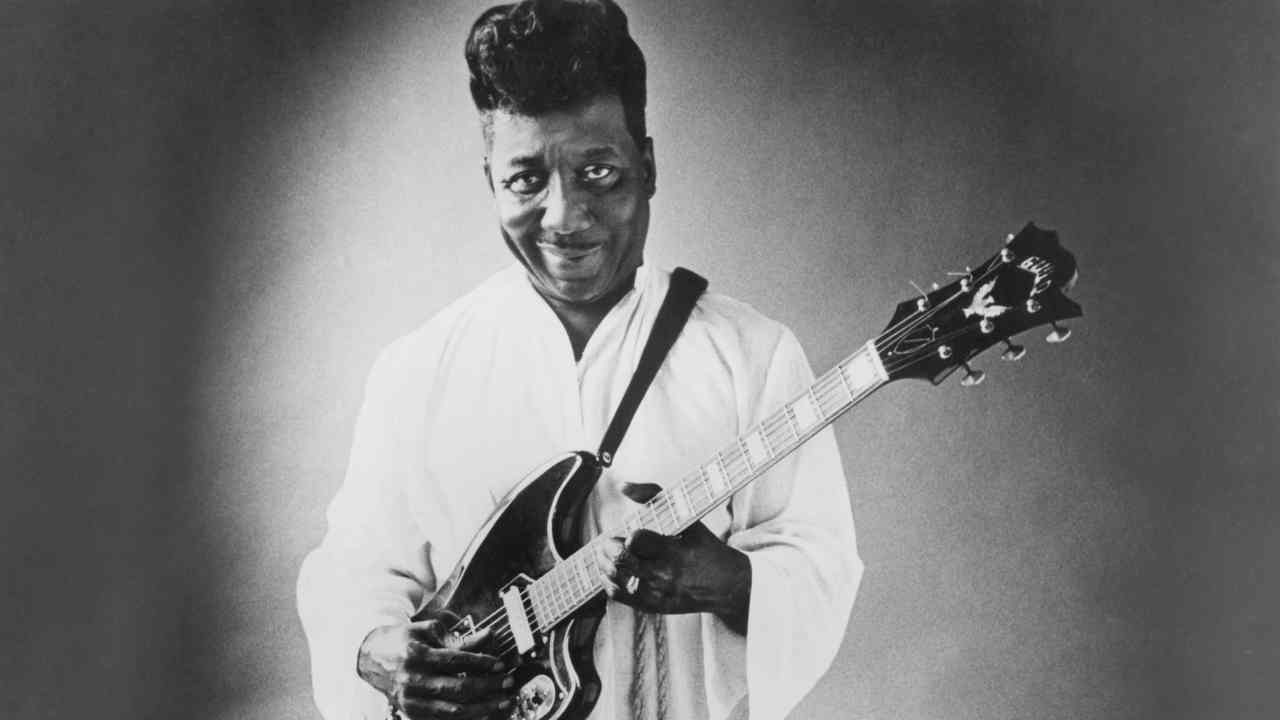
It’s May 1968 and a turbulent age, with the life-changing political events of half a century still unfolding. Riots and revolution circle this third stone from the sun as war, terrorism and civil rights angst boil over. In the US, black activist Martin Luther King has been assassinated; the nation’s democracy will take another blow when popular senator Robert F. Kennedy follows him.
In the Ter-Mar Studio at 2120 South Michigan Avenue, Chicago, a hand-picked group of hip young musicians from the interracial, avant-garde rock collective Rotary Connection are midway through a three-week recording session, running through a contorted electric groove called Tom Cat. The sound is a prowling, prickly, funk-blues shuffle with wild tenor sax and mewling acid guitar licks laced throughout. Behind glass, at the mixing desk, is the young man driving the idea forward, 26-year-old Marshall Chess, with creative arranger Charles Stepney at his side. At the centre of the ululating jam is Chess records’ fading folk hero and master of the blues, Muddy Waters. A year later, and in light of the storm that will follow these sessions, Waters will rant to the press: “Every time I go into Chess they put some un-blues players with me… and if you change my sound, then you gonna change the whole man.” But for now, Waters seems more than content, raucously throwing his lot in with the rag-tag unit that is about to tip electric blues – and its native identity – on its head.