Your bathroom is one of the trickier rooms to redecorate. Other than a fresh coat of paint and some new hardware, changes can be expensive and disruptive, so it's important to be selective about the bathroom trends you choose to follow.
And according to designers, there are a few looks that dominated bathroom ideas in 2025 that are feeling decidedly outdated this year. From flat, cool-toned tiles to uninspired vanity designs, they're all looks they are actively avoiding.
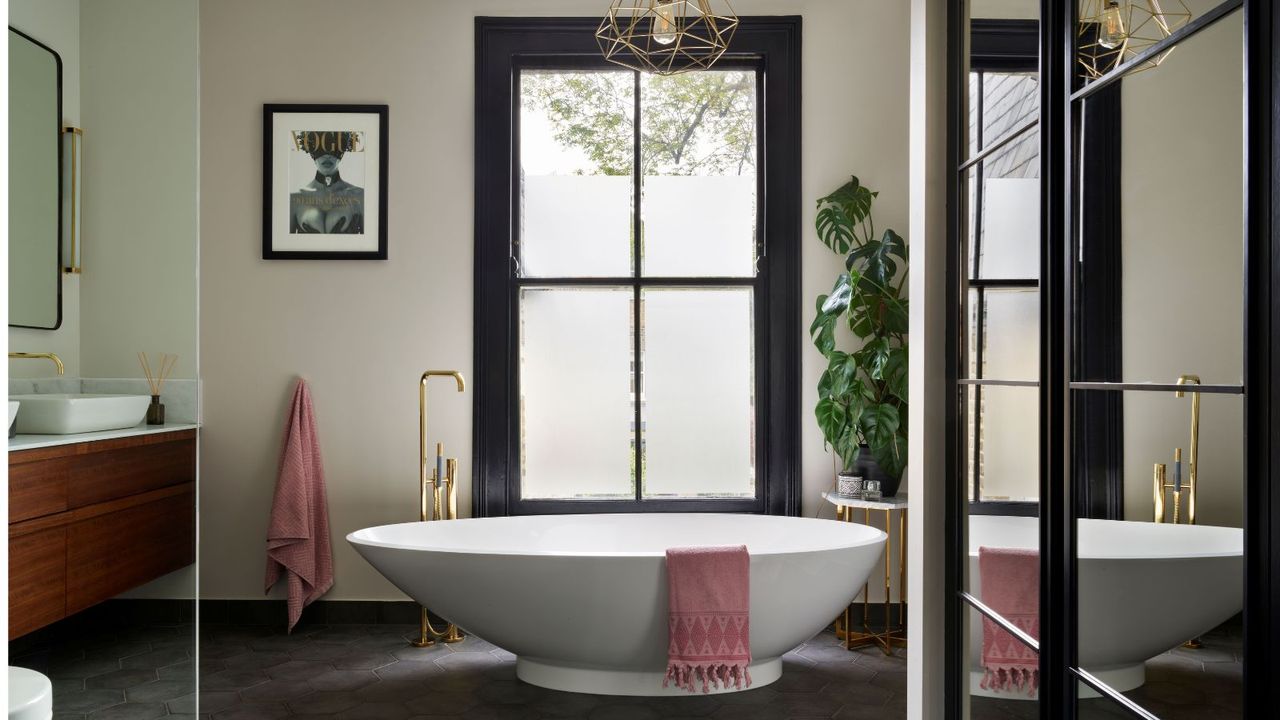
Here are the outdated bathroom trends experts are tired of seeing, and the more stylish, timeless alternatives they suggest instead. The key theme? It's all about texture, interest, and unique design.
7 Outdated Bathroom Trends to Avoid
When you're designing a bathroom, every detail matters. From color and tiles to hardware finishes and vanity designs, it's a room full of a few elements that all have a big impact. And if you want that impact to be elevated and timeless rather than lackluster and outdated, these are the trends to avoid.
1. Oversized Showers

For a minute there, shower trends were all about the super-sized. Spacious shower areas, even those within a full bathroom, felt like the pillar of luxury in theory, but in practice, they feel vast, cold, and a bit of a waste of space.
'I think the bigger-is-better trend when it comes to showers is on the way out. For one, monster-size showers can get a bit cold. Also, who really needs all of that space? Using less space for the shower leaves room for a freestanding tub or makeup vanity. It's a win/win all around,' says Sarah Moore, founder of Sarah Catherine Design.
'A smaller shower footprint can actually make a big impact! Think less square footage with big statements like beautiful marble or colorful tile. These elements could otherwise feel overwhelming in a large space, but fit in perfectly in smaller baths. Smaller footprints can also keep you cozy in the shower while leaving room for more bold, interesting choices throughout,' she explains.
2. Cool-Toned Porcelain Tiles

Don't confuse calming and serene with cold and stark. Those cool-toned white and gray porcelain tiles may have had their moment in the spotlight, but in 2026, they are the recipe for an uninviting and outdated bathroom.
'Bathrooms that lean too sterile and pristine are falling out of trend. Flat porcelain tiles that lack texture and personality and read as lifeless are being swapped out for organic textures and natural stones. Those oversized, overly white, gray, and cool-toned porcelain tiles feel cold in bathrooms,' says Gabriela Eisenhart, founder and creative director at Silo Studio Design.
'We are noticing a gentle turning of the tide away from the once-ubiquitous pairing of white metro tiles and dark grey grout, a look that for years delivered crispness and order, yet now feels a little too rigid for the way we want bathrooms to feel today,' agrees Grazzie Wilson, head of creative at Ca’ Pietra, explaining that the stark contrast is the real issue at play.
So what should you choose instead? 'We typically renovate at least 10 bathrooms a year, and lately we are loving the use of zellige tiles, limestone, travertine, and quartzite,' suggests Gabriela.
'We are seeing a move towards bathrooms that feel softer, more grounded, and far more expressive in their materiality, where tiles are chosen not just for their shape, but for the way they hold color, texture, and light. There is a growing appetite for tonal spaces, where tile and grout sit closely together, allowing the surface to feel continuous rather than segmented,' adds Grazzie.
3. Geometric Patterns

There was a period where bathrooms became a haven for strong patterns, particularly where tiles were concerned. But designers say the era of bold geometrics is over, making way for more considered, classic tile layouts.
'Geometric and intricate pattern cement tiles. Cement tile is very porous and needs a special sealant. The pattern and look feel outdated, resembling a past trend,' says Maggie Goodrich of Third Street Architecture, noting 'Cement tiles aren't out; they are just evolving.'
'I would suggest going with a more organic shape that creates an interesting pattern once laid. Even mix different shapes and colors to create an interesting pattern, [like] a checkered pattern with different colors ranging from high contrast to a neutral contrast. These are all great ways to incorporate a cement tile that feels elevated.'
4. Tech-Filled Bathrooms

The spotlight has really been shining on analog spaces in 2026, and it's an ethos that is being carried into bathroom designs. Instead of filling your scheme with high-tech features (and in some cases, a wall-mounted TV!), trends are leading bathrooms to a more digital-free ethos.
The truth is, trends just aren't prioritising features that rely on tech that stops us from disconnecting. Instead, designers are seeing a clear shift towards spaces that prioritize spa-like spaces that prioritize sensory experiences and a calm atmosphere so you can truly disconnect.
'We’re seeing the rise of the ‘home spa’ bathrooms – wellness spaces designed to restore both body and mind and encourage disconnection. We actively design bathrooms as tech-free zones. As I often say, “our homes should be a retreat from the noise of the outside world,' says interior designer Juliette Byrne, who says the new focus is on 'soft lighting, calming colors, and thoughtful details like a place to sit, read, or simply pause.'
She continues: 'Ultimately, bathrooms are no longer just practical spaces; they’re becoming essential to how we recharge in 2026. Wellness in design is no longer a luxury; it’s an expectation, and clients are increasingly prioritising spaces that help them feel calm, grounded, and disconnected from the digital world.'
5. All-White Minimalism

It's no secret that interior design trends are moving away from all-white schemes, but it's particularly notable in bathrooms, where cold white rooms feel outdated and don't fulfill the warm, character-filled brief everyone is craving.
'We are fans of more is more and are seeing overly minimal, all-white bathrooms are on the way out for 2026. For years, bathrooms have leaned heavily into stark white palettes and ultra-minimal styling. While clean, they can feel clinical and lack warmth or individuality,' says designer Alex Alonso, founder of Mr Alex Tate.
'The shift is clear, bathrooms are becoming increasingly important design statements. Clients are embracing individuality, storytelling, and a sense of playfulness. We always encourage clients to move away from “safe” design and instead create spaces that feel deeply personal because that’s what ultimately makes a home timeless,' he explains.
While serene, spa-like spaces are trending, there's still plenty of space for bolder, more personalized designs if that's more your style. It's just about bringing those maximalist designs into your bathroom in the right way.
'Throw out thinking about safe, subtle wallpaper to create a calm space. Instead, bold, expressive wallpaper becomes the focal point of the room. We’re seeing a big shift toward graphic patterns, rich colour combinations, and designs that bring personality into the space, whether that’s Art Deco-inspired prints, mosaic-style patterns, or playful, layered motifs,' he explains.
6. Flat-Front Cabinetry and Vanities With No Detail

We've been talking a lot about kitchen cabinet details recently, from cutouts and backplates to pretty beaded trim designs. And it's a decorative element that's seeping into bathroom designs, hailing plain, flat-front vanities as outdated.
'Completely flat, handle-less cabinetry can feel a bit lifeless in a bathroom setting, especially in homes that otherwise have character,' says Cathleen Gruver of Gruver Cooley, who notes a shift towards something more visually interesting.
'Introduce subtle detailing like an interesting pull, reeded fronts, inset cabinetry, or even a furniture-style vanity. These elements add depth and craftsmanship without overwhelming the space,' she explains.
7. Overly Matching Schemes

We've probably all tried it – a bathroom filled with matching features, from color and material to every furniture piece coming from the same range, simply because it's easier and is guaranteed to match. But matching equals builder grade, and in 2026, it feels outdated.
'Bathrooms where every finish, metal, and material is identical are starting to feel overly coordinated and less curated,' Cathleen warns. Cohesion is key, but that doesn't mean you have to match everything.
'A more collected approach feels elevated. Mixing metals, incorporating vintage or antique elements, and layering textures creates a space that feels thoughtfully designed rather than overly prescribed,' she explains.
Shop Designer-Approved 2026 Bathroom Trends
This vanity design ticks all the boxes, featuring a rich wood finish and a fluted profile. It's timeless in style and has plenty of texture.
Ditch the busy geometric patterns for something classic like a checkerboard. This warm neutral color pairing is the perfect alternative to trend-led designs.
Perfect for even the smallest bathrooms, this floating vanity has a textured batten profile to add visual interest. It's also available as a double vanity, too.
If you already have chrome or iron hardware in your bathroom, introducing brass accents, like this freestanding towel holder, will add contrast and visual interest.
If you want to add a pop of pattern to your bathroom this year, this charming shell-inspired wallpaper, available in four colorways, is rated for bathroom use.
If you want to really disconnect from technology, this toilet roll holder has a built-in magazine rack, so you can have your latest reads close to hand when you bathe.
Trends are shifting away from stark whites and flat finishes to designs that are filled with texture, warm tones, and visually interesting details. Trends are shifting towards personality and disconnection, creating a space that prioritizes wellness over fleeting styles.
Love beautiful design ideas, expert advice, and inspiring decor trends? Sign up for our newsletter and get the latest features delivered straight to your inbox.