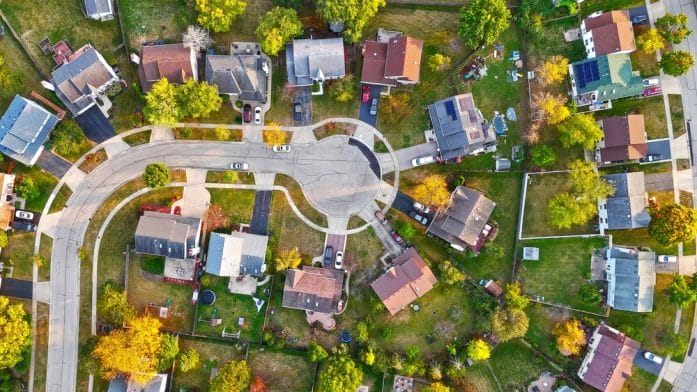
Homeowners insurance has always been a world of fine print, renewal notices, and the occasional surprise premium increase. But in recent years, a new twist has entered the picture — literally. Insurers are increasingly using satellite and aerial imagery to evaluate properties, sometimes without ever stepping foot on the ground.
These images can reveal roof wear, overgrown vegetation, debris, or structural concerns, and insurers are acting on them quickly. For many homeowners, the first sign of trouble is a cancellation or nonrenewal notice that seems to come out of nowhere. What most people don’t realize is that they have a powerful but time‑sensitive tool at their disposal: a 60‑day window to contest the decision. This is your tool, and weapon, to fight back.

When the Sky Becomes the Inspector
Satellite imagery has become one of the insurance industry’s favorite tools because it’s fast, inexpensive, and incredibly detailed. Instead of scheduling an in‑person inspection, insurers can review a property from above and flag anything that looks like a potential risk. This includes roof discoloration, missing shingles, moss growth, tree limbs hanging over the house, or even debris that suggests poor maintenance.
While the technology is impressive, it’s far from perfect. Shadows, seasonal changes, and image quality can all distort what’s actually happening on the ground. That’s why cancellation notices based on aerial photos often feel so shocking — homeowners may have no idea that something on their roof or property was flagged as a hazard. The good news is that insurers are required to give advance notice, and that notice triggers your opportunity to push back.
The 60-Day Countdown Starts With the Notice
There are many reasons why insurers may cancel a plan, but whenever they do so based on property condition, they must send a written notice explaining the reason. This notice typically arrives 30 to 60 days before the policy ends, depending on state regulations. The moment you receive it, the clock starts ticking.
Most states give homeowners a 60‑day window to contest the decision, provide evidence, or complete repairs that address the insurer’s concerns. This window is crucial because once it closes, the cancellation becomes final, and reinstating coverage becomes significantly harder. Acting quickly is essential. The sooner you gather information, schedule inspections, or document the true condition of your property, the stronger your case will be. Waiting until the last week rarely ends well, especially if repairs or professional evaluations are needed.
Understanding What the Insurer Saw
Before contesting a cancellation, you need to know exactly what triggered it. Insurers must provide a reason, but the explanation is often vague — something like “roof condition” or “vegetation hazard.”
You have the right to request the specific images or reports used to make the decision. This step is important because aerial photos can be misleading. Moss may look like structural damage, shadows may resemble missing shingles, and tree branches may appear closer to the roof than they actually are.
Once you have the images, compare them to the real‑world condition of your property. If the photos are outdated, unclear, or simply inaccurate, you have a strong basis for contesting the cancellation. Even if the issue is legitimate, understanding the insurer’s perspective helps you address it effectively.

How to Build a Strong Case Within the Window
Contesting a cancellation isn’t just about disagreeing with the insurer — it’s about presenting clear, credible evidence. Start by taking your own photos from multiple angles, including close‑ups of the areas in question. If the issue involves the roof, consider hiring a licensed roofer to perform an inspection and provide a written report. Professional documentation carries significant weight and can counteract assumptions made from aerial images.
If repairs are needed, schedule them immediately and keep receipts, invoices, and before‑and‑after photos. Many insurers will reinstate coverage if the homeowner demonstrates prompt action and provides proof that the issue has been resolved. The key is to communicate clearly, respond quickly, and provide organized documentation. Insurers are far more likely to reconsider when homeowners show initiative and evidence.
When the Insurer Won’t Budge
Even with strong evidence, some insurers may refuse to reverse a cancellation. In these cases, homeowners still have options. Many states allow consumers to file complaints with their insurance department, which can trigger a review of the insurer’s decision. Regulators may request additional information, evaluate whether the cancellation was justified, or require the insurer to reconsider if the decision violated state rules.
While this process doesn’t guarantee reinstatement, it can slow down the cancellation timeline and give homeowners more time to secure alternative coverage. If you must switch insurers, acting early gives you a better chance of finding a standard policy rather than relying on a last‑resort plan.
Staying Ahead of Future Aerial Reviews
The rise of satellite‑based inspections means homeowners need to think differently about property maintenance. Issues that once went unnoticed until an in‑person inspection may now be flagged months earlier from the sky. Regular roof cleaning, trimming overhanging branches, clearing debris, and documenting repairs can help you stay ahead of potential problems.
It’s also wise to keep records of any professional work done on your home, as this documentation can be invaluable if an insurer questions your property’s condition. While you can’t control when or how insurers use aerial imagery, you can control how prepared you are when they do.
Your Window of Opportunity Matters More Than Ever
The 60‑day window to contest a cancellation isn’t just a bureaucratic formality — it’s your chance to correct errors, provide evidence, and keep your insurance intact. As insurers rely more heavily on satellite images, misunderstandings and misinterpretations are becoming more common. Acting quickly, gathering documentation, and understanding your rights can make all the difference. Homeowners who respond promptly often succeed in reversing cancellations or securing better coverage. Those who wait risk losing their policy and facing higher costs or limited options.
What steps would you take if your insurer tried to cancel your policy based on aerial photos? Make sure that you share your tales and successes in the comments below.
You May Also Like…
Heritage Insurance Approved: 9.6% Premium Drop for Seminole County Homeowners
Top 3 Water Damage Claims Home Insurance Actually Covers
Florida Homeowners Are Seeing Insurance Rates Decreasing In 2026
The $2,000 Average National Homeowner Premium — Highest Share of Mortgage Payment Ever
Citizens Property Insurance Sees Sharp Drop in Policies — What It Means for Homeowners in 2026
The post The 60-Day Window to Contest Homeowner Cancellation Based on Satellite Images appeared first on The Free Financial Advisor.