
The web is swarming with DIY mattress cleaning tips but even as someone who tests mattresses for a living, it's hard to know which methods actually work and which ones will leave my bed damaged.
That's why I've asked Bryce Gruber, cleaning and organization expert at Extra Good, and Taylor Riley, expert at Stay Clean Solutions, for the most common cleaning faux pas that might be ruining your bed rather than making it better.

Riley warns a mattress can look fine on the surface but be "a hazard" inside when you use a bad TikTok cleaning tip, so here are the tips experts recommend to remove mattress stains and smells — and what to avoid.
Key takeaways
- Some DIY mattress cleaning methods can cause substantial damage to your mattress.
- Spot cleaning with white vinegar, vacuuming too hard or putting your bed in direct sunlight can damage mattress with foam layers.
- Using too much heat when steam cleaning your mattress or not allowing your bed to dry before dressing it can lead to mold and mildew.
- To avoid damaging your mattress, gently vacuum with a HEPA filter, lightly mist with 3% hydrogen peroxide or enzyme cleaner, and allow to dry for at least two hours.
5 mattress cleaning mistakes you should avoid at all costs
1. Putting a mattress in direct sunlight

An often recommended mattress-cleaning method is putting your mattress in direct sunlight. This sounds appealing: it's natural, eco-friendly, and can zap bacteria.
However, while this method may be great for classic "innerspring models", Gruber warns it may not be suitable for modern memory foam mattresses.
Direct sun can cause it to warp, and once memory foam has been damaged, there's no going back.
"People associate UV light with disinfecting, and it's true to a certain extent, but it's an old fashioned practice," she warns.
The home care expert explains that memory foam is made of "temperature-sensitive polyurethane."
"Direct sun can cause it to warp, become brittle, lose elasticity and even off-gas more aggressively, and once memory foam has been damaged, there's no going back or fixing," Gruber tells me.
2. Using too much white vinegar

White vinegar has been the darling of DIY cleaning solutions for a long time thanks to its versatility and non-toxic cleaning capabilities, but it doesn't mean it can be used to clean memory foam beds and hybrid mattresses.
"Vinegar's acetic acid breaks down the adhesives most modern mattresses use to keep the various layers of foam and fill together," Gruber warns.
3. Vacuuming too hard
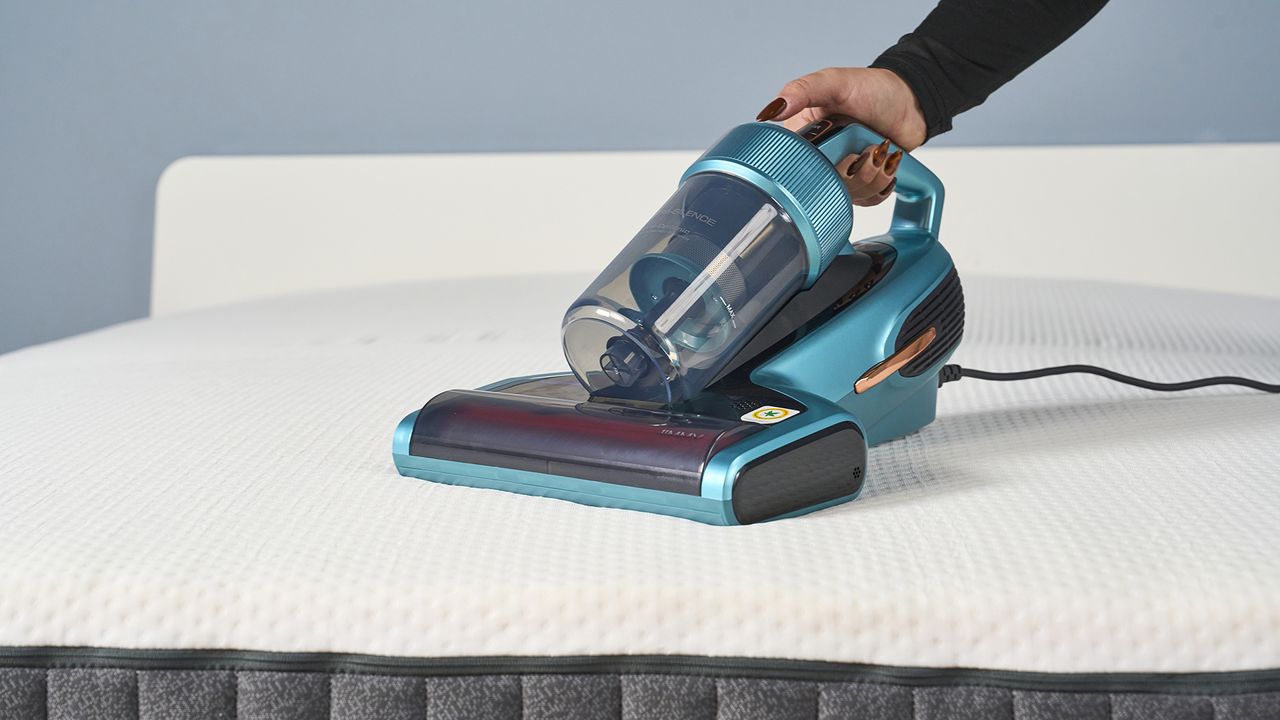
Vacuuming your mattress is a great way to keep your bed dust mite-free, but you shouldn't get too carried away.
"If you vacuum aggressively, pushing deep into the encasement fibers or without an upholstery attachment, the materials will stretch or even rip," Gruber warns.
This can be a particular problem on mattresses that use natural materials such as horsehair, flax, or wool, so take particular care when vacuuming an organic bed.
4. Steam cleaning too hot

Steam cleaning your mattress is a great way to kill allergens like dust mites and remove stains, but setting it at a temperature that's too hot can lead to even more allergens.
"A steam cleaner set too hot will leave excess moisture, which is how you get mold and mildew growing inside the mattress where you can't see it," warns Riley.
Instead, research suggests keeping it at a temperature of 212°F, as this is enough to kill microbes lurking in your bed.
5. Not waiting to put your bedding back on
Once you've steam-cleaned your mattress or removed that pesky stain, you need to let it dry.
However, this doesn't always happen when you're in a rush — and it could cause substantial damage to your mattress.
"Moisture creates the perfect environment for mold, bacteria and mildew," warns Gruber.
3 steps to cleaning your mattress without damaging it
1. Vacuum with a HEPA filter

Riley says that the first thing you need to do when cleaning a mattress is vacuum it.
"The right approach is vacuuming the bed with a HEPA attachment before and after," he says.
Riley explains a HEPA filter (which stands for high-efficiency particulate air) captures allergens such as dust and pollen more efficiently than standard filters, with research showing that they can substantially reduce indoor pollution.
2. Lightly mist with a cleaning solution

After vacuuming, Gruber suggests spot cleaning problem areas with an even misting of 70% rubbing alcohol from a spray bottle.
"The alcohol evaporates quickly and disinfects, which is important for reducing odors and the chance of gnarly problems like mold," she explains.
For tougher stains, such as blood or urine, she recommends spot cleaning with a "tiny amount" of 3% hydrogen peroxide for its lightening cleaning effect.
"When it looks like the stain is almost out, switch to a heavy enzyme cleaner just on the stained areas, as enzymes break down the proteins that linger in blood stains," she suggests.
3. Air dry for at least 2 hours

Now for the most important part: leaving your mattress dry.
Riley suggests allowing your bed to thoroughly dry, preferably in a room with good air circulation from an open window or fan.
"Ensure the mattress is fully dry before putting sheets back on, ideally two to four hours with good airflow," he instructs.
Gruber also warns to avoid speeding up the drying process with direct heat, especially if your mattress contains foam.
"Heat breaks down foam's structure, for the same reason you can never throw a memory foam pillow in the dryer after washing," she warns.