The war in the Middle East has driven up operating costs for Thai Airways International (THAI), forcing the national carrier to increase average ticket prices by 10-15%.
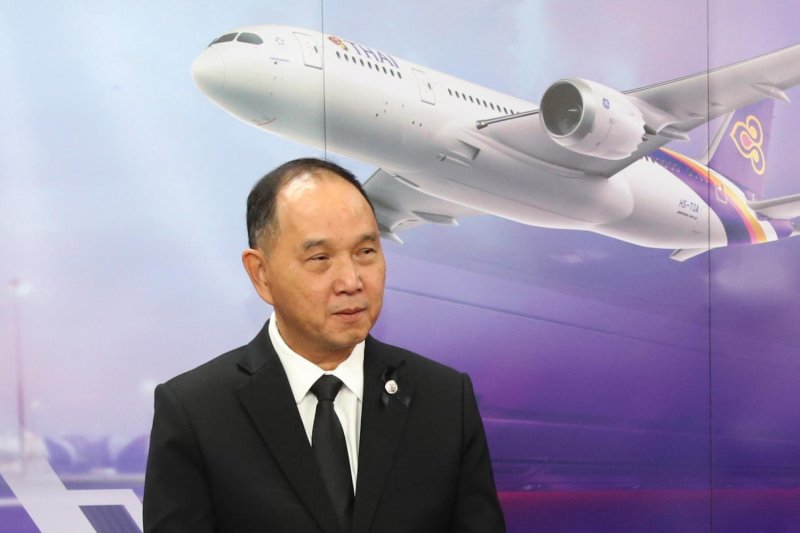
Chai Eamsiri, THAI chief executive, said jet fuel prices had surged from around US$80 per barrel before the conflict to US$220, and could climb further to US$240 if the war drags on for another two months.

The surge in costs is also affecting demand. Advance bookings for the Songkran holiday in the middle of next month have weakened compared with last year, particularly among long-haul passengers travelling to Europe and Australia.
While there have been no mass cancellations, many passengers are delaying travel decisions and waiting for the situation to become clearer, he said. The airline has implemented dynamic pricing by limiting low-fare ticket availability, lifting average fares in line with market conditions, to help manage the impact.
It is also preparing to seek approval from the Civil Aviation Authority of Thailand to introduce higher fuel surcharges. If approved, the airline may reduce base fares to balance the overall increase within the 10-15% range, he said.
However, the airline will proceed with new routes to Amsterdam and China, as well as aircraft deliveries, he said.
On government assistance, Mr Chai emphasised the need for self-reliance. "In a crisis, the most important thing is to help ourselves," he said.