Get all your news in one place.
100’s of premium titles.
One app.
Start reading
The Guardian - US
The Guardian - US
World
Guardian staff and agencies

Texas and Florida sue FDA in latest effort to restrict abortion pill access

a box of mifepristone tablets
Mifepristone tablets in a Planned Parenthood clinic in Ames, Iowa, on 18 July 2024. Photograph: Charlie Neibergall/AP

Texas and Florida have launched the latest lawsuit seeking to restrict access to the abortion pill mifepristone, following the US Food and Drug Administration’s recent approval of a new generic version.

In the lawsuit, filed late on Tuesday in federal court in Wichita Falls, Texas, the states’ Republican attorneys general argue that the FDA has failed to thoroughly evaluate the drug’s safety and effectiveness since its initial approval in 2000 and disregarded the risks to the women who take it.
“These are tragic but predictable consequences of prioritizing politics over public health,” the states said in the complaint.

More than 100 studies, conducted across more than three decades and dozens of countries, have concluded that mifepristone is a safe and effective tool to end a pregnancy.

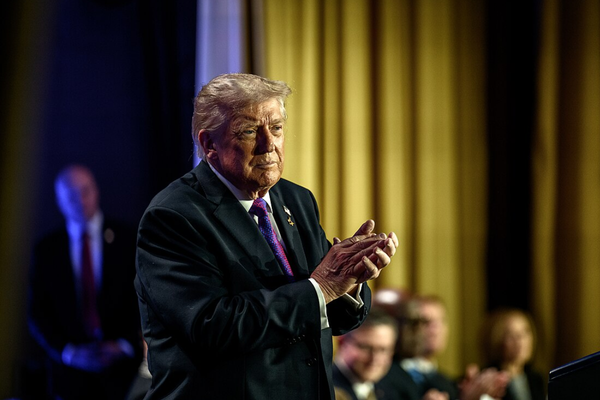
The FDA’s 30 September approval of Evita Solutions’ generic version of mifepristone by an agency now overseen by Republican president Donald Trump’s administration has fueled outrage among conservatives. The US health secretary Robert F Kennedy Jr at the time said the agency is legally required to approve generics that are identical to their brand-name counterparts.

The lawsuit challenges the initial 2000 approval and approval of Evita’s generic. The states also claim that regulations adopted under Democratic former presidents Barack Obama and Joe Biden expanding access to mifepristone are unlawful. The lawsuit alleges that the FDA’s actions were arbitrary and capricious, contrary to federal law or beyond the agency’s powers in violation of the federal Administrative Procedure Act.

The FDA did not immediately respond to a request for comment. Evita’s website says it “believes that all people should have access to safe, affordable, high-quality, effective, and compassionate healthcare, including abortion care”.

“These lawsuits have nothing to do with the safety of this medication and everything to do with making it harder for people to get an abortion,” said Julia Kaye, senior staff attorney with the ACLU’s Reproductive Freedom Project. “Politicians in Texas and Florida are asking for a nationwide ban on a safe and effective medication that millions of Americans have used since the FDA first approved it 25 years ago.”

Mifepristone is the first pill, followed by the drug misoprostol, used for medication abortion in the first 10 weeks of pregnancy, and is used in more than 60% of US abortions.

The claims in the new lawsuit are similar to those made in a separate case by Missouri, Kansas and Idaho. Texas, Florida and Louisiana had sought to join that case, but US district judge Matthew Kacsmaryk in Amarillo, Texas, in September said that request was moot when he transferred the lawsuit to St Louis federal court.

That lawsuit was first filed in 2022 by a group of anti-abortion groups and doctors, but the US supreme court in 2024 found they did not have the necessary legal standing to challenge the FDA’s regulation of mifepristone.

The supreme court overturned a fifth US circuit court of appeals decision that had rolled back FDA regulations easing how the drug is prescribed and distributed. The fifth circuit, which would hear any appeals in the lawsuit by Texas and Florida, had also ruled at the time that a challenge to the 2000 approval of mifepristone was untimely.

Missouri, Kansas and Idaho, which had intervened in the case, dropped the claim about the 2000 approval but pressed forward with arguments that the FDA acted improperly when it eased restrictions on mifepristone, including by allowing it to be prescribed remotely and dispensed by mail. They have moved to amend the lawsuit to also challenge the recent approval of Evita’s generic.

The lawsuits are part of a broader push from conservatives to target abortion pills, which have played a significant role in mitigating the impact of the abortion bans that have proliferated in conservative states after the supreme court overturned Roe v Wade in 2022. Other lawsuits are taking aim at so-called shield laws: statutes in more liberal states that aim to protect providers shipping pills to patients in states where the procedure is banned.

Last week, a Texas law came into effect allowing residents of the state to sue people whom they suspect of making, distributing or mailing abortion pills in or out of the state.

Sign up to read this article
Read news from 100’s of titles, curated specifically for you.
Already a member? Sign in here
Related Stories
Top stories on inkl right now
One subscription that gives you access to news from hundreds of sites
Already a member? Sign in here
Our Picks
Fourteen days free
Download the app
One app. One membership.
100+ trusted global sources.