- Tesla deliveries were down about 2% in the third quarter.
- That's not a bad showing, given how tumultuous a year it has been for automakers.
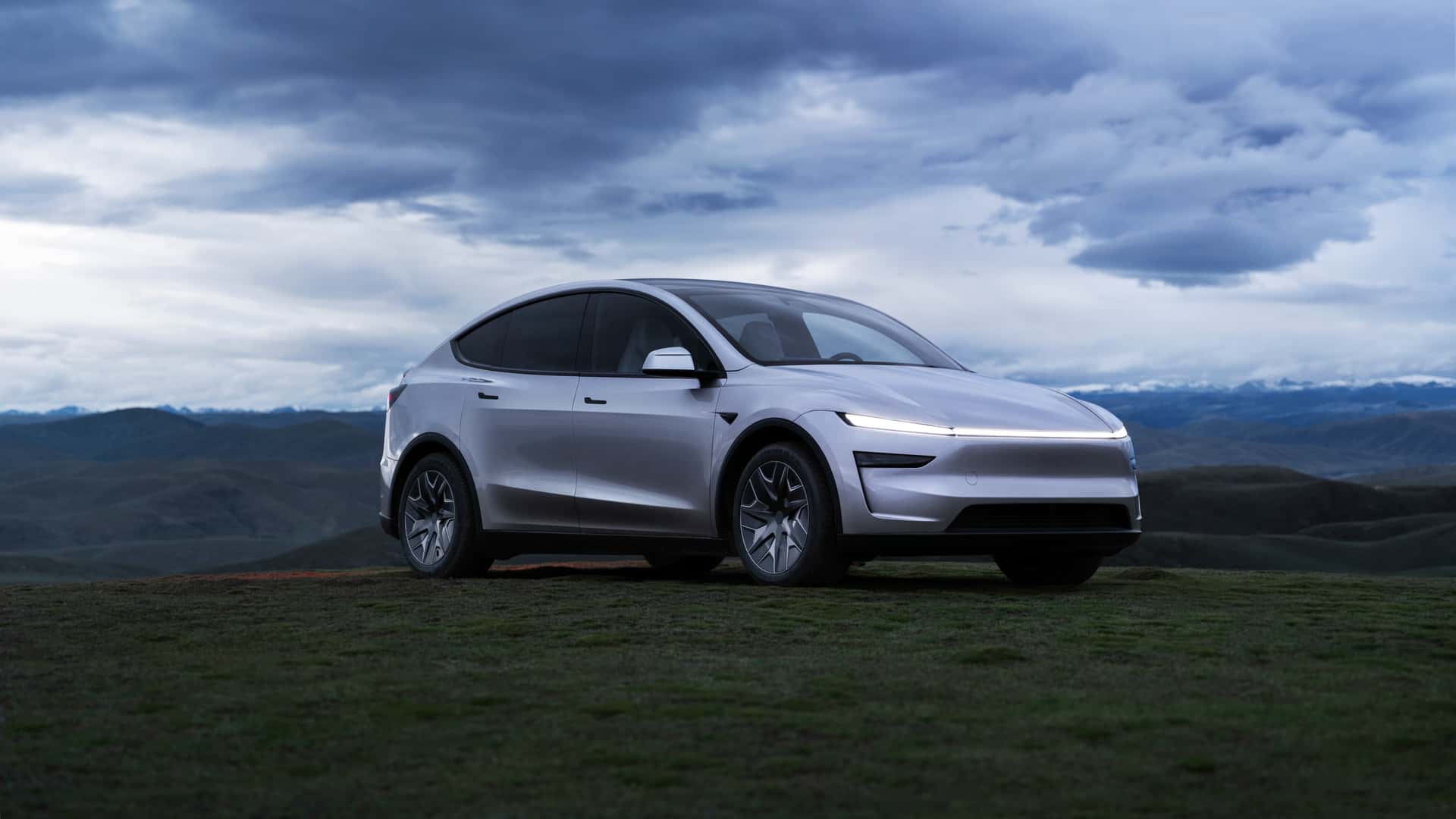
- The company doesn't break out invidual model sales, but the Model 3 and Model Y account for the vast majority of its sales.
Tesla global deliveries fell slightly in the third quarter, the company reported Friday. Deliveries dipped from 497,099 in the third quarter of 2025 to 486,532 this year, a 2.1% drop. But based on the year we've had in the EV market, this is hardly a bad showing.

Many competitors posted double-digit drops in EV sales in the U.S. this quarter as the industry reels from the loss of the federal tax credit and regulations that encouraged more EV sales. The Chinese market, too, is in a tough spot, as domestic competitors remain locked in a perpetual price war, putting pressure on Tesla. Meanwhile in Europe, Chinese imports are starting to push out demand for other foreign brands. All of this explains why European, Japanese, and American automakers are struggling.
Against that backdrop, a 2.1% slide is remarkably mild. Tesla is still fighting a multi-front battle against the all of the world's best automakers with only two real volume products, both of which are based on a platform first introduced in 2017. The new three-row Model Y L is likely helping, as are the recent refreshes in the Model Y and Model 3, but it's incredible how much staying power those products have had, as dozens of competitors have come to market since. (Tesla does not break out specific model sales, but the Model S/X are dead, and the Cybertruck is a low-volume product primarily for the U.S.)
None can match Tesla's dominance, at least in the U.S. market. The Model 3 and Model Y together account for about half of all U.S. EV sales. The Model Y remains the best-selling EV in the world, and was, for a time, its best-selling vehicle overall. It's the only EV to ever come close to taking that title.
Still, Tesla's worldwide third-quarter delivery numbers were essentially the same this year as they were in 2023. The company has avoided the sales drops of its competitors, but despite strong EV market growth over the last three years, Tesla's car business looks flat.
It's not hard to guess why. CEO Elon Musk has been absolutely clear that he sees Tesla as primarily an AI company, with its main bets being making Full Self-Driving (Supervised) into a truly autonomous system for public consumption, and with making humanoid Optimus robots. Those are the kinds of gambles that Wall Street likes; incremental improvements to the cars seem far less sexy to both Musk and investors.
Critics have argued that such a focus on AI and autonomy will leave Tesla's car business vulnerable to competitors. That may well be true. But so far, Tesla's lead has proven remarkably enduring. And with Semi mass production starting, the Cybercab on the road, a true self-driving pilot in Texas, and a Roadster event scheduled for later this month, the company may not be out of ideas yet.