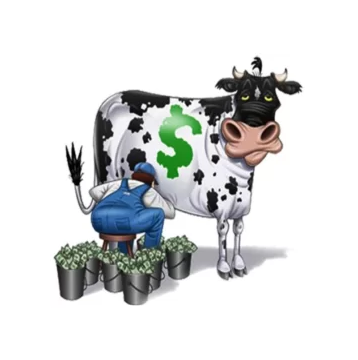
Tennessee proudly advertises one of the biggest financial perks in the country: no state income tax. That promise attracts newcomers, entrepreneurs, and families who want more control over their paychecks. Yet a closer look at the receipt after a simple purchase often tells a different story. Tennessee relies heavily on sales taxes, and some counties push those totals to eye-opening levels.
Every trip to the grocery store, every restaurant bill, and every new pair of shoes carries that extra cost. The statewide base rate already ranks among the highest in the United States, and local governments pile on additional percentages that quickly raise the final bill. Certain counties stand out because they sit right near the legal ceiling for combined tax rates.

The Tax Math That Drives Tennessee’s Prices
Tennessee built its tax system around consumption instead of income. The state government collects a base sales tax of 7 percent on most purchases. Local governments then add their own local option sales tax, which can climb as high as 2.75 percent. When a county maxes out that local rate, shoppers pay a combined total of 9.75 percent.
That number matters more than it first appears. A 9.75 percent tax means almost ten extra dollars on every hundred spent. Large purchases amplify the effect quickly, especially for electronics, furniture, or appliances. Some products follow slightly different rules. Tennessee taxes groceries at a reduced state rate, although local taxes still apply in many places. Even with that adjustment, the combined taxes still add up faster than many people expect.
Travelers and residents sometimes overlook the county-by-county differences, but those small variations change the price of everyday life. The following counties sit near the top of Tennessee’s tax ladder and place a heavier burden on shopping carts.
1. Shelby County: Memphis Carries the Maximum
Shelby County delivers one of the highest sales tax rates in the state, largely because its largest city, Memphis, applies the maximum local option tax allowed under Tennessee law. Combined with the state rate, the total reaches 9.75 percent. That rate places Memphis among the most expensive major cities in Tennessee for retail purchases. Every restaurant meal, clothing purchase, or electronics upgrade includes that nearly ten-percent bump at checkout. Over time, frequent shoppers feel the difference in a very real way.
Shelby County leaders rely heavily on those taxes to support local services, infrastructure, and public programs. The large population base and strong tourism traffic provide a steady stream of taxable purchases. Visitors who explore Memphis attractions often contribute to that tax pool without realizing it.
Smart shoppers often look for ways to reduce the impact. Some people wait for Tennessee’s annual tax-free weekend before purchasing clothing or school supplies. Others compare prices online or look for stores outside the county when planning major purchases.
Anyone living in Shelby County quickly learns that the advertised price rarely reflects the final total. That awareness changes how many households budget for everyday spending.
2. Davidson County: Nashville’s Growth Comes With a Cost
Davidson County shares the same 9.75 percent combined sales tax rate, thanks largely to the booming city of Nashville. Rapid growth, thriving tourism, and constant new development shape the local economy, and sales taxes help fund the infrastructure that keeps the city running.
Restaurants, entertainment venues, and retail stores fill Nashville’s busy streets, especially around popular districts. Each purchase contributes to that nearly ten-percent tax rate. Visitors may shrug off the extra dollars on a vacation meal, but long-term residents face those costs every single day. Local officials often defend the rate by pointing to Nashville’s expanding public services, transportation needs, and community investments. Sales taxes supply a dependable revenue stream in a state that collects no income tax from wages.

That structure creates a unique financial balancing act. Residents keep more of their paycheck compared with income-tax states, yet higher sales taxes chip away at spending power when everyday purchases pile up.
Careful budgeting helps soften the impact. Households often track larger purchases carefully and time them during seasonal sales or tax-free events. Those strategies allow people to enjoy Nashville’s vibrant economy without letting taxes dominate the monthly budget.
3. Knox County: A Slight Drop That Still Adds Up
Knox County offers a slightly lower combined rate than Memphis and Nashville, yet shoppers still feel the weight. The total sales tax rate typically lands around 9.25 percent, which still ranks among the higher totals in the region.
The county revolves around the city of Knoxville, a community known for its college atmosphere, outdoor recreation, and growing business sector. Retail centers, restaurants, and entertainment venues keep local spending strong, and sales taxes capture a large share of that activity. Even a half-percent difference can matter over time. A 9.25 percent tax still adds more than nine dollars to every hundred spent. Frequent shoppers, families with growing kids, and homeowners tackling renovation projects all notice those extra costs stacking up.
Knox County residents often approach spending with a strategic mindset. Many compare prices between local stores and online retailers before making larger purchases. Some shoppers even drive to neighboring counties when they plan expensive buys like furniture or electronics.
Local governments depend on those taxes to maintain roads, public safety services, and community programs. That funding model keeps Knoxville growing while shifting much of the tax burden toward spending rather than income.
The Real Price of “No Income Tax”
Tennessee’s tax structure creates a trade-off that shapes everyday life. Residents avoid state income tax on wages, which allows many households to keep more of their paycheck. At the same time, higher sales taxes place a heavier load on spending. Those taxes affect people differently depending on lifestyle and spending habits. Someone who saves aggressively may benefit from the income-tax advantage. Someone who spends heavily on retail purchases may feel the sting of sales taxes far more often.
Planning purchases carefully helps reduce the long-term impact. Timing large purchases during tax holidays, comparing prices across counties, and watching seasonal sales can make a noticeable difference over time. Those small decisions help stretch budgets in places where the checkout total climbs quickly.
Tennessee’s economic model continues to attract businesses and new residents, and sales taxes play a major role in that strategy. Understanding the local tax landscape allows shoppers to navigate those costs with confidence.
Before the Next Checkout Screen Lights Up
Sales taxes rarely dominate conversations about cost of living, yet they shape the price of nearly everything bought in Tennessee. Shelby County and Davidson County sit right at the state’s maximum combined rate, while Knox County follows closely behind with a number that still lands near the top.
Those percentages may look small on paper, but daily spending turns them into a powerful financial force. Every restaurant bill, every retail purchase, and every household upgrade reflects the local tax structure.
Which Tennessee county surprised you the most when it comes to sales taxes? We want to hear your opinions in our lively comments section.
You May Also Like…
Is Your 401(k) at Risk From 2026 Tax Changes?
Texas Families: The “Hidden” Fees That Offset Zero Income Tax
The 1099-C Trap: Why the IRS Thinks Your Unpaid Debt Is Taxable Income
Georgia Education Tax Credit Update: What the Law Means for Your 2026 State Taxes
10 Unexpected Taxes or Fees You Should Know Before Year-End
The post Tennessee’s Sales Tax Trap: 3 Counties Where You’re Paying More appeared first on Everybody Loves Your Money.