
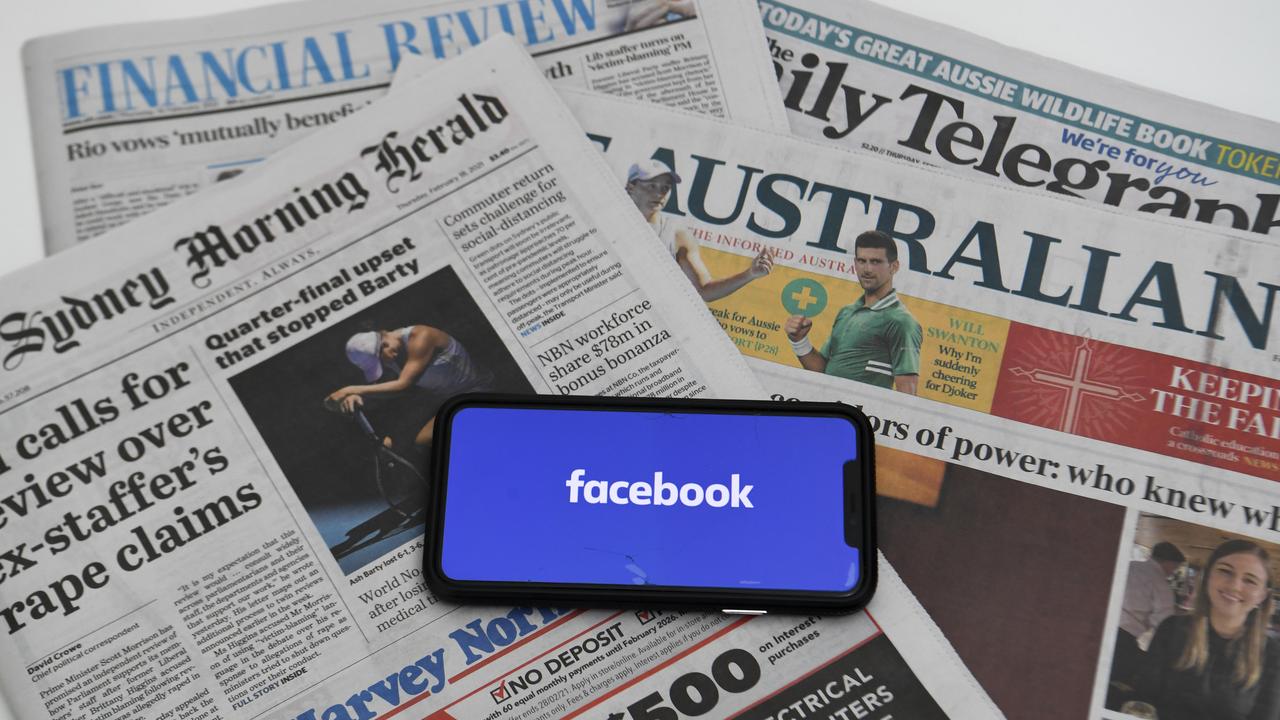
Higher levies for tech companies who don't strike deals with Australian media organisations for news content will not violate free-trade deals with the United States, the assistant treasurer says.
The federal government's proposed news bargaining incentive will push companies like Google, Meta and TikTok to strike commercial deals with news organisations to use the publishers' content on their platforms.

If deals are struck, the companies will pay a smaller share of their Australian advertising revenues to the government than if they refuse to reach agreements.
The levy will apply to tech giants with domestic revenues of $250 million or more, with any funds raised to be redistributed to the media sector.
The maximum levy tech companies will pay on their revenue has been increased from 2.5 per cent from a previously proposed 2.25 per cent charge, the government revealed on Monday.
The revenue used to calculate the tech giants' payments will be limited to digital advertising income attributable to the Australian market.
Assistant Treasurer Daniel Mulino said the increase would not violate trade agreements between Australia and the US.
"We're confident that the arrangements that we're putting forward in this legislation are appropriate and are consistent with all of our obligations," he told reporters in Canberra.
"A number of tech companies have engaged with the consultation program process, and we expect that once this legislation is passed, I expect a number of them will engage in discussions with the media."
Australia has had a free-trade deal with the US since 2005, but US trade officials have taken aim at federal government measures against tech companies.
The Trump administration recently imposed a 12.5 per cent tariff on Australian goods entering the US.
Mr Mulino said the laws would be introduced imminently when parliament returns later in August.
Professional networking sites such as LinkedIn will also no longer be exempt from the bargaining laws under the changes.
Mr Mulino said he was confident media companies would still strike deals with media outlets, rather than walk away from having news on their platforms.
Meta, the parent company of Facebook and Instagram, declined to comment on the changes to the news bargaining incentive.
In a blog post in June, the Australian arm of the tech giant said the measure was not the answer to ensuring a strong and diverse media sector.
"It will leave Australian journalism dependent on a government-administered subsidy regime while doing little to help smaller publishers and independent journalists," it said.
Communications Minister Anika Wells said the incentive would help to broaden Australia's media landscape.
"We want new journalists. We want innovators in this space. We want there to be an incentive for that to continue, not to diminish," she said.







