
Get all your news in one place.
100’s of premium titles.
One app.
Start reading
Kids Ain't Cheap
Kids Ain't Cheap
Brandon Marcus

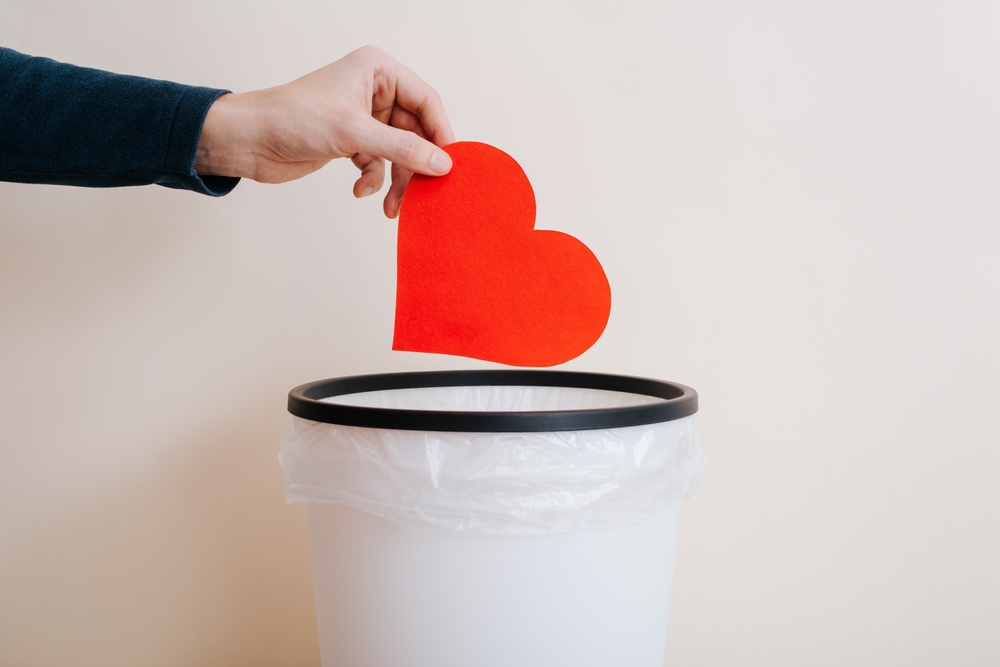
Teachers Share the 5 Valentine’s Gifts That End Up in the Trash Immediately

Teachers Share the 5 Valentine’s Gifts That End Up in the Trash Immediately

Image Source: Shutterstock.com

Every February, classrooms across the country transform into a sea of pink construction paper, glitter explosions, and tiny folded cards that smell faintly of fruit punch. Kids love it, teachers embrace it, and parents do their best to keep up with whatever the classroom newsletter demands.

But behind the scenes, teachers say there are a few Valentine’s gifts that don’t just miss the mark—they go straight into the trash before the final bell rings. Not because teachers are ungrateful, but because some items simply can’t be reused, stored, or safely kept in a classroom full of energetic children.

1. The Glitter Bomb Creations That Shed for Eternity

Teachers love creativity, but glitter is their sworn enemy. When a child hands over a Valentine coated in loose glitter, teachers know exactly what’s coming: a week of sparkling floors, shimmering desks, and students who look like they’ve been dipped in fairy dust. Glitter doesn’t stay put, no matter how much glue was used or how carefully the card was crafted. It transfers to clothing, carpets, and even the teacher’s lunch.

Many teachers say these cards are admired briefly and then tossed because they simply can’t risk the glitter spreading any further. If your child loves sparkle, consider glitter stickers or metallic paper instead. They offer the shine without the classroom chaos.

2. Oversized Stuffed Animals That Have Nowhere to Live

Kids adore stuffed animals, but teachers have no place to store them—and no way to manage the drama that follows when one child gets a giant plush bear and another gets a paper card. Oversized stuffed animals take up valuable classroom space, collect dust, and often become distractions during lessons. Teachers say they usually end up quietly discarding them because they can’t send them home on the bus, can’t keep them in the classroom, and can’t donate them without permission.

If your child wants to give something soft and cute, try small Valentine‑themed erasers or stickers. They’re adorable, affordable, and won’t require a storage plan.

Teachers Share the 5 Valentine’s Gifts That End Up in the Trash Immediately

Image Source: Shutterstock.com

3. Homemade Baked Goods That Can’t Be Shared

Teachers appreciate the effort behind homemade treats, but most schools have strict rules about food safety and allergies. That means cupcakes, cookies, and chocolate‑covered anything—no matter how delicious—usually can’t be distributed. Teachers often have to throw them away immediately, even if they feel guilty doing it. They simply can’t risk serving food without ingredient labels or allergen information.

If you want to send something edible, stick to prepackaged items with clear labeling. It keeps everyone safe and ensures your thoughtful gesture doesn’t end up in the trash.

4. Scented Lotions and Bath Products That Trigger Allergies

Scented gifts may seem like a sweet idea, but teachers say they’re one of the most commonly discarded Valentine’s items. Many classrooms have students with fragrance sensitivities, asthma, or skin allergies, which means teachers can’t keep or use heavily scented lotions, sprays, or bath products. Even mild scents can cause headaches or reactions in a closed classroom environment.

Teachers often toss these items immediately to avoid any issues. If you want to give a small self‑care gift, consider unscented hand wipes or a simple handwritten note of appreciation. It’s thoughtful without being risky.

5. Tiny Plastic Toys That Break Before Lunch

Teachers say the number one Valentine’s gift that ends up in the trash is tiny plastic toys—think mini slinkies, plastic rings, tiny figurines, or novelty gadgets. These items break easily, become choking hazards, or get lost within minutes. They clutter desks, distract students, and often cause arguments when one child’s toy breaks and another’s doesn’t.

Teachers usually sweep them into the trash during cleanup because they can’t store them, fix them, or send them home safely. If you want to give something fun, try small activity sheets, bookmarks, or stickers. They’re still exciting for kids but far more classroom‑friendly.

Teachers Aren’t Ungrateful—They’re Just Trying to Survive the Day

It’s important to remember that teachers genuinely appreciate the thought behind every Valentine’s gift, even the ones they can’t keep. Their goal isn’t to discourage generosity but to help families choose items that are safe, practical, and classroom‑appropriate. When you pick gifts that won’t shed glitter, trigger allergies, or break instantly, you’re making the day easier for everyone—especially the teacher who has to manage 20 or more excited kids on a sugar‑fueled holiday. A simple card, a small treat, or a heartfelt note can mean far more than any elaborate gift.

What about you—have you ever sent a Valentine’s gift only to realize later it probably didn’t survive the school day? Tell us about it in the comments below.

You May Also Like…

The 5 “Educational” Apps That Teachers Say Are Actually Hurting Grades

6 Valentine’s Cards That Parents Regret Sending for Years

6 After-School Activities Parents Regret Paying For (Because the “Benefits” Don’t Show Up)

Nutritionists Warn: 6 “Healthy” Lunchbox Staples That Spike Sugar Crashes at School

8 Parent-Teacher Conversations That Can Hurt a Child’s Mental Health

The post Teachers Share the 5 Valentine’s Gifts That End Up in the Trash Immediately appeared first on Kids Ain't Cheap.

Sign up to read this article
Read news from 100’s of titles, curated specifically for you.
Already a member? Sign in here
Related Stories
Top stories on inkl right now
One subscription that gives you access to news from hundreds of sites
Already a member? Sign in here
Our Picks
Fourteen days free
Download the app
One app. One membership.
100+ trusted global sources.







