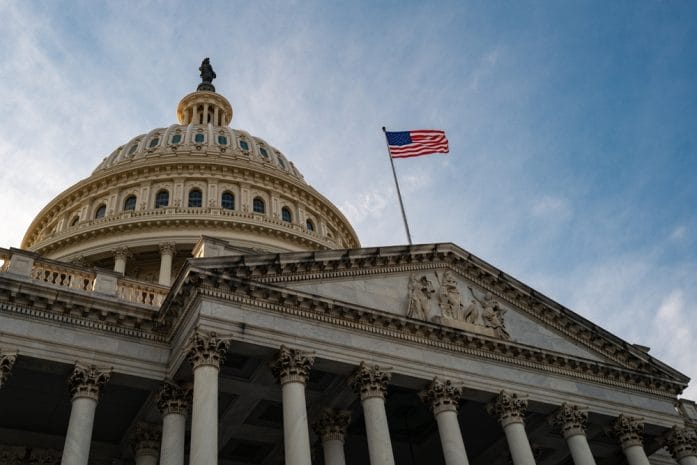
Congress is like that unpredictable relative who shows up to dinner unannounced, changes the rules mid-meal, and somehow leaves you scrambling to adjust. When it comes to taxes, the stakes are even higher. One minute your strategy seems solid, the next a new proposal or legislative tweak could flip your financial plan upside down.
For anyone who wants to keep more of their hard-earned money and avoid last-minute panic, understanding potential changes—and acting before they happen—is crucial.

1. Reassess Your Retirement Contributions Immediately
If Congress hints at changing tax treatment for 401(k)s, IRAs, or other retirement vehicles, waiting until the last minute could cost you thousands. By reassessing contributions now, you can maximize tax-deferred growth before any new limits or rules hit. Consider whether shifting from a traditional account to a Roth account—or vice versa—aligns with potential legislative changes. Tax-free withdrawals in the future could be a game-changer if rates go up. Staying proactive now allows you to adapt smoothly without scrambling when new rules become law.
2. Reevaluate Capital Gains Strategies
Capital gains taxes are notoriously sensitive to legislative tinkering. If Congress starts talking about raising rates or changing how gains are calculated, it’s wise to examine your investments. Harvesting losses strategically can offset gains and reduce tax liability, even before any law changes take effect. Long-term planning, such as holding assets for over a year, might save you from higher future rates. Working with a financial advisor now ensures your portfolio is positioned to ride out potential changes without unnecessary losses.
3. Explore Timing Large Deductions Or Expenditures
The timing of deductions can suddenly become a high-stakes game when tax rules are in flux. If new legislation limits deductions or alters thresholds, accelerating deductible expenses now could lock in savings. Charitable donations, mortgage interest, and state taxes paid might be especially worth front-loading. Conversely, some taxpayers may benefit from deferring expenses if future rules allow higher deductions. Paying attention to timing isn’t just strategic—it can transform potential tax headaches into manageable planning wins.

4. Reconsider Business And Investment Structures
Business owners and investors should treat potential tax reforms like a chessboard. Changing how corporations, partnerships, or LLCs are taxed can dramatically impact take-home profits. Evaluating the structure of your business or investment accounts now could avoid costly restructuring later. Shifts in pass-through taxation, qualified business income deductions, or international tax rules are not far-fetched under current congressional conversations. Taking action early helps you stay flexible and potentially minimize liabilities while Congress debates new rules.
Take Control Before Rules Change
Waiting until Congress finalizes new tax laws is like waiting for a storm to hit before closing the windows—you’ll almost always regret it. The smartest taxpayers act preemptively, reassessing contributions, investments, deductions, and business structures now. Planning ahead can turn uncertainty into opportunity, saving money and stress. By taking deliberate steps today, you position yourself to adapt without scrambling.
Let us know your thoughts, experiences, or strategies in the comments section below—we’d love to hear how you approach shifting tax landscapes.
You May Also Like…
Income Threshold: 4 Hidden Taxes That Hit Once You Cross Certain Limits
9 Georgia Counties Where Property Taxes Are Set to Rise the Fastest
10 Lesser-Known Tax Rules That Cost Households Big Money
Is Your Social Security About to Shrink Unless Congress Acts Fast?
7 ATM Withdrawal Behaviors That Raise Government Surveillance Flags
The post Tax Ahead: 4 Strategic Moves If You Think Congress Will Rewrite Tax Rules appeared first on The Free Financial Advisor.