Get all your news in one place.
100’s of premium titles.
One app.
Start reading
GOBankingRates
GOBankingRates
Jamela Adam

Tariffs on Groceries To Know About for 2026

londoneye / Getty Images/iStockphoto

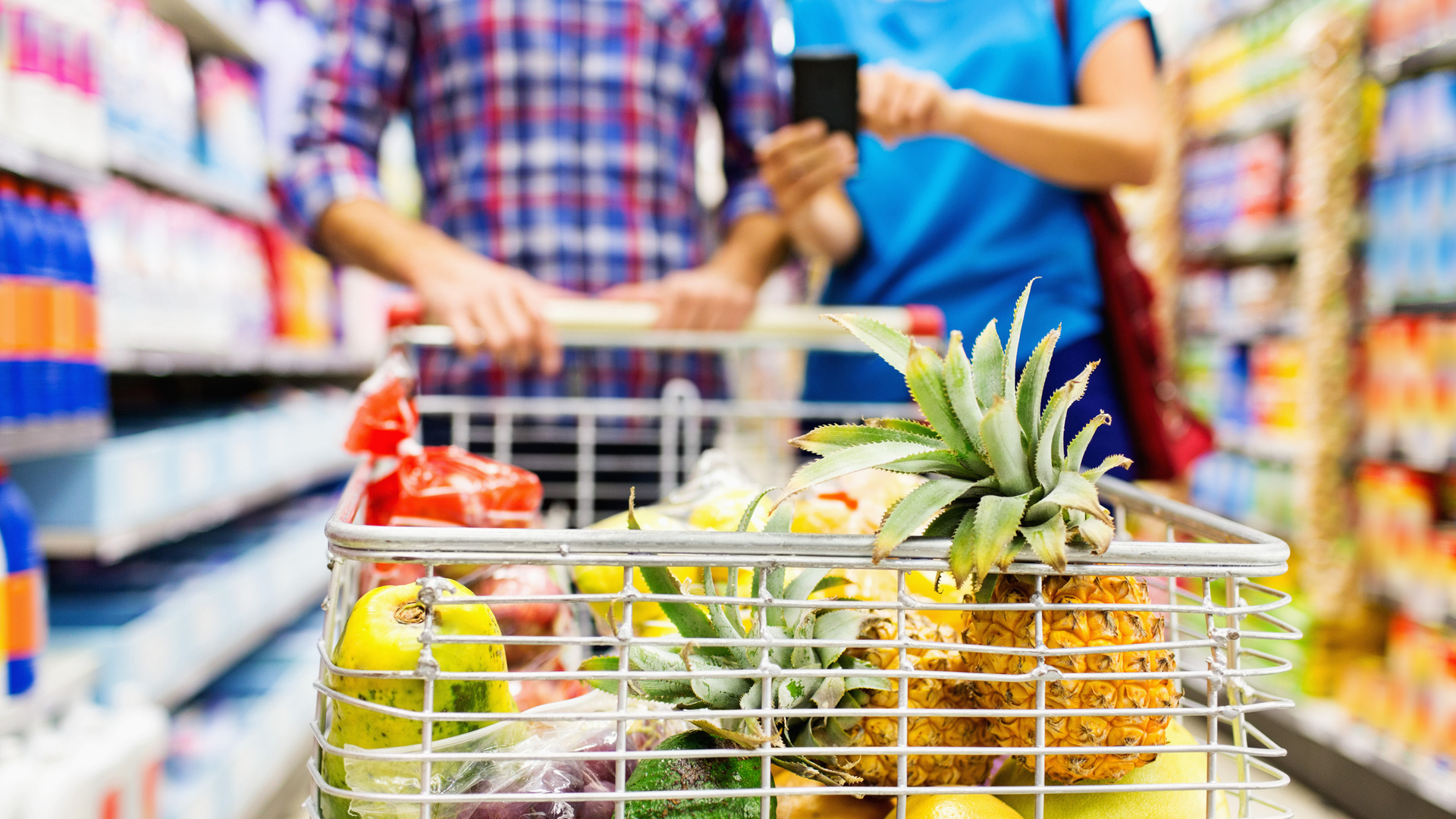
If you thought grocery bills were already high, brace yourself. Many of President Donald Trump’s import tariffs may push grocery prices even higher in 2026, especially for certain foods and drinks imported from abroad.

Foreign countries like Mexico, Italy and Brazil supply a huge share of what ends up in U.S. kitchens, so any disruption can ripple through grocery aisles. Here are some of the most affected grocery items

Produce from Mexico 

The U.S. imports a large share of its fresh produce from Mexico. Overall, Mexico made up 69% of U.S. vegetable imports and 51% percent of U.S. fresh fruit imports in 2022, according to the U.S. Department of Agriculture

As trade tensions have ramped up, the U.S. has announced tar­iffs of up to 25% on goods from Mexico, including produce, unless exempted under the United States-Mexico-Canada Agreement (USMCA). President Trump said he’s using the tariffs to pressure Mexico to crack down on fentanyl and illegal immigration. 

This means that grocery items that are imported from Mexico, like tomatoes, avocados, limes, mangos or bell peppers, may start to get more expensive

Be Aware: I Tracked Costco Prices Before and After Trump’s Tariffs — The Changes Surprised Me

Try This: How Middle-Class Earners Are Quietly Becoming Millionaires — and How You Can, Too

Olive Oil, Wine, Pasta and Other EU imports

The U.S. has also imposed base tariffs of 15 % on agri-food imports from Italy and the European Union, including items like extra-virgin olive oil, wine and pasta. Starting January 2026, 13 of Italy’s biggest pasta exporters may also face an additional 91.74 % anti-dumping duty, on top of the existing 15%, for a combined tariff of around 107%, according to The Independent

For U.S. importers of Italian pasta and downstream retailers, costs could more than double. That cost will either hit margins for businesses or come straight out of consumers’ pockets.

So, stock up on your authentic Italian pasta, premium olive oil or imported wine now before prices go up in 2026. 

Coffee

Americans have been paying more for a cup of coffee after the U.S. imposed a 50% tariff on Brazil, the world’s largest producer, in July. Colombia, which supplies 20% of the U.S. coffee market, is also subject to a 10% tariff.

The latest Consumer Price Index data shows that coffee prices rose 21% in August compared with a year ago. For context, coffee prices typically fluctuate only a few percentage points per year. 

Unless trade negotiations ease or other suppliers step up production, your caffeine fix might keep getting pricier for the foreseeable future.

More From GOBankingRates

This article originally appeared on GOBankingRates.com: Tariffs on Groceries To Know About for 2026

Sign up to read this article
Read news from 100’s of titles, curated specifically for you.
Already a member? Sign in here
Related Stories
Top stories on inkl right now
One subscription that gives you access to news from hundreds of sites
Already a member? Sign in here
Our Picks
Fourteen days free
Download the app
One app. One membership.
100+ trusted global sources.