
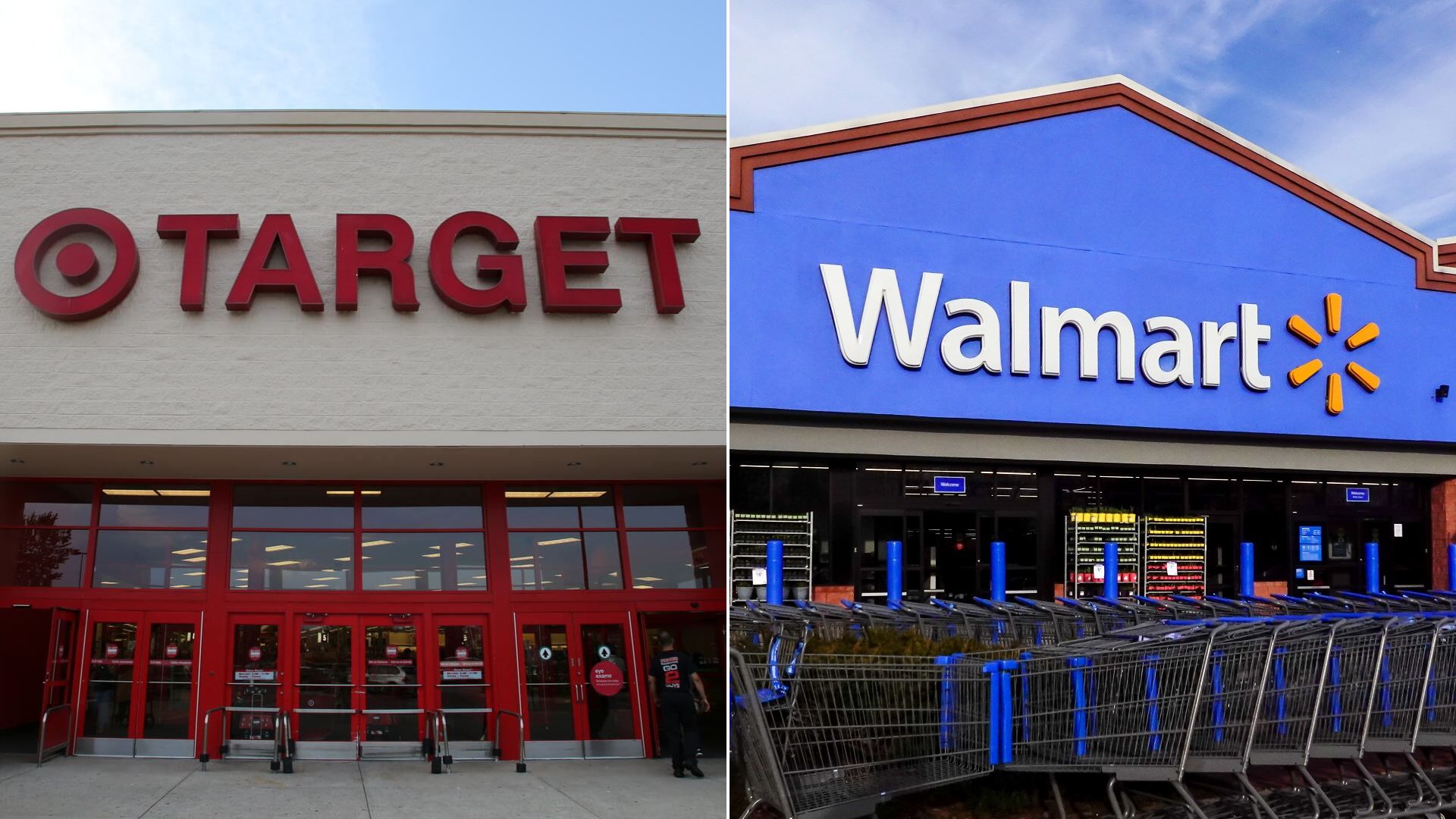
While you might pop down to the local grocery store for a few essentials mid-week, you might put off larger purchases until you can visit one of the big-box stores that offer substantial discounts.
But who really saves you more, especially when factoring in differences in price across categories and the impact of loyalty programs? Should you buy your groceries at one location and household goods like detergent and paper products at another? And is the difference significant enough to warrant consideration? Keep reading for a comparison of bargains found at Target vs. those offered by Walmart, and which really saves you more money in 2026.
Groceries and Essentials
They’re called essentials for a reason, and the price differences here will have the most impact on the typical consumer household. To get a baseline for comparison, here are the average prices for a fairly typical shopping list. All prices were sourced from the respective company’s online retail websites.
Target
- Boneless, skinless chicken breast: $2.69 per pound (fresh)
- Fresh broccoli florets: $3.32 per pound
- Rotini pasta: 99 cents for 1 pound
- Grated parmesan cheese: $3.19 for 8 ounces
- Six “triple-roll” paper towels: $15.89
- Laundry detergent: $13.99 for 166.5 fluid ounces
Total: $40.07
Read Next: 10 Best New Items Coming to Walmart in 2026
Find Out: 6 Things You Must Do When Your Savings Reach $50,000
Walmart
- Boneless, skinless chicken breast: $2.98 per pound (frozen)
- Fresh broccoli florets: $2.99 per pound
- Rotini pasta: 98 cents for 1 pound
- Grated parmesan cheese: $2.98 for 8 ounces
- Six “triple-roll” paper towels: $7.96
- Laundry detergent: $13.98 for 166.5 fluid ounces
Total: $31.87
Based just on these prices, shoppers would save around $426 per year shopping at Walmart rather than Target, assuming they go shopping once per week. To keep this comparison apples to apples, the prices were compared across identical name brands or store brands when possible. However, keep in mind there are some differences in availability.
Matters of Style
It’s harder to compare identical products when it comes to things like clothing. Walmart’s “low prices every day” motto determines what brands or kinds of clothing the retailer carries. The emphasis is on utility and low cost, which you’ll find across items like children’s clothing, socks and undergarments, work clothes and relaxed leisure wear.
Target tends to attract those who are as fashion-minded as they are budget-conscious. Target features seasonal looks from popular in-house brands like Wild Fable and All in Motion. Designs are typically trendier at Target, and the chain generally offers better presentation. While prices tend to be higher at Target, they may ultimately offer better value in terms of both style and durability than Walmart’s more generic basics.
Loyalty Programs
How you shop may have as much of an impact on the prices you ultimately pay as where you shop. Both retailers offer branded credit cards with varying rewards programs, which can shave quite a bit off the prices you pay at the checkout, both online and in-person.
Target’s Circle Card is a no-fee credit card that offers an automatic 5% discount on most Target purchases. There are no points to redeem and no tiers to keep track of, but the Circle Card can only be used at Target. The card also entitles bearers to free two-day shipping on most items available from Target, with no minimum purchase requirement, an extra 30 days to make returns, and a 10% annual discount coupon if you opt in to Target’s marketing emails.
The Walmart Rewards Mastercard was a credit card offered by Capital One in partnership with Walmart. Unlike Target’s Circle Card, it can be used anywhere Mastercard is accepted. Though the partnership ended in 2024, existing cardholders enjoy 5% back at Walmart.com, 2% back in Walmart stores and 1% back on all other purchases, no matter where they’re made.
Adding It Up
While Walmart is cheaper for some staple products, it may not be worth it to change where you shop if it causes a big drop in convenience. The real difference in savings may not warrant a special trip if one or the other is closer to where you live or work. Plus, if you’re particular about your products, one store may not carry your preferred brand. However, if a few hundred dollars in savings is worth it for you, there’s no harm in trying a switch.
More From GOBankingRates
- 5 Luxurious Winter Clothing Items You Can Find at Costco for Less
- 6 Little Luxuries To Buy at Dollar Tree in January 2026
- 9 Low-Effort Ways to Make Passive Income (You Can Start This Week)
- Mark Cuban Tells Americans To Stock Up on Consumables as Trump's Tariffs Hit -- Here's What To Buy
This article originally appeared on GOBankingRates.com: Target vs. Walmart in 2026: Which Actually Saves You More Over a Year?