Get all your news in one place.
100's of premium titles.
One app.
Start reading
The Conversation
The Conversation
Damián Tuset Varela, Investigador en Derecho Internacional Público e IA. Tutor Máster Relaciones Internacionales y Diplomacia UOC, UOC - Universitat Oberta de Catalunya

Talking to dead people through AI: the business of ‘digital resurrection’ might not be helpful, ethical… or even legal

TSViPhoto/Shutterstock

Earlier this year, a Spanish TV programme showed several people listening to digital recreations of the voices of their deceased relatives that had been generated by artificial intelligence from real audios. It sparked widespread debate in both public and professional spheres, as these recreations not only mimicked loved ones’ voices, but also asked poignant, evocative questions, provoking intense emotional reactions.

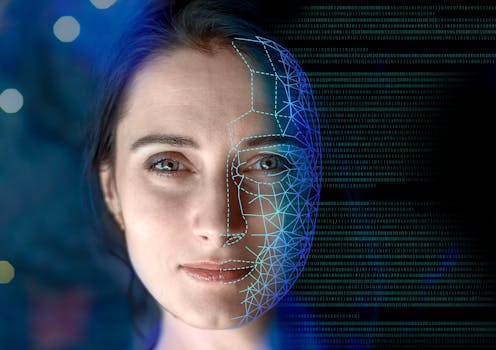
This phenomenon, which has been dubbed “digital resurrection”, involves using advanced AI technology to recreate certain aspects of deceased individuals, such as their voice or physical appearance. While it may offer momentary comfort, such a practice opens a raft of profound debates on ethical, philosophical and legal fronts.

Sign up to read this article
Read news from 100's of titles, curated specifically for you.
Already a member? Sign in here
Related Stories
Top stories on inkl right now
One subscription that gives you access to news from hundreds of sites
Already a member? Sign in here
Our Picks
Fourteen days free
Download the app
One app. One membership.
100+ trusted global sources.