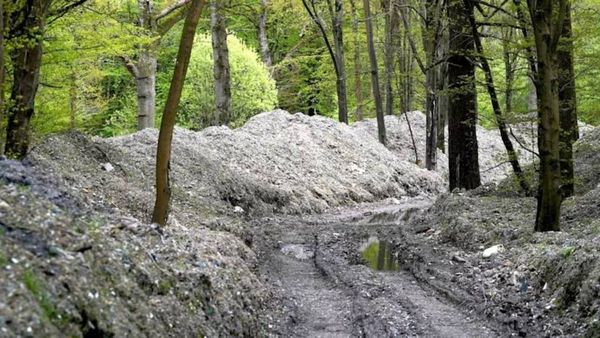
Investors and scientists are restoring a 23-square-mile (60-square-kilometer) tract of peatland in North Carolina's Inner Banks to curb emissions of climate-warming carbon dioxide and regenerate native habitat.
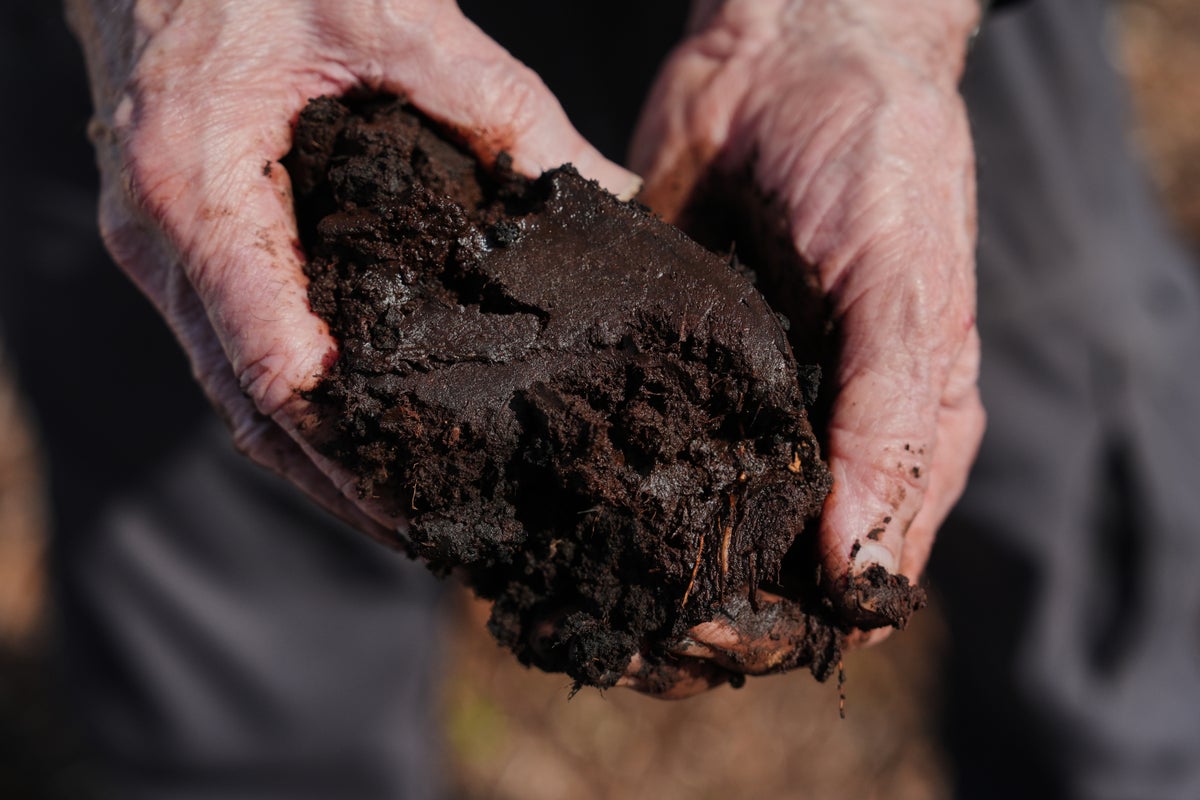
Fifty miles (80 kilometers) of ditches dug decades ago for an abandoned farming venture drained much of the water from thousands of years of accumulated peat — partially decayed organic matter up to 15 feet (4.6 meters) deep — leaving the site vulnerable to drought and wildfires, altering native habitats and allowing it to emit 130,000 tons of carbon dioxide every year.