
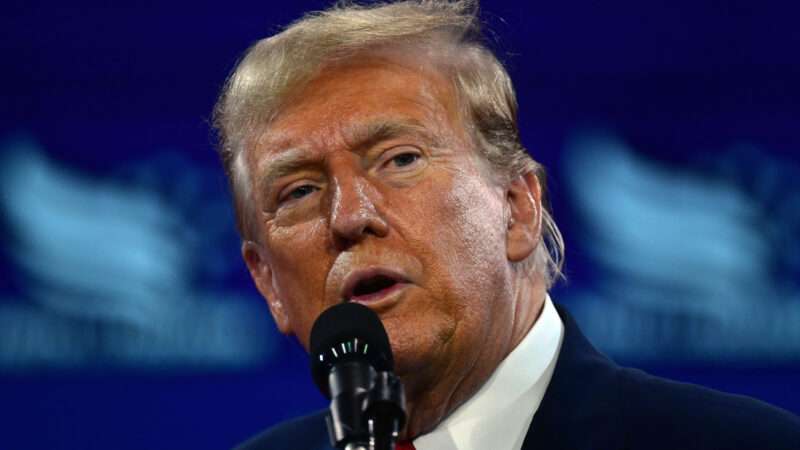
Challenging the federal prosecution stemming from his attempts to overturn the results of the 2020 election, Donald Trump argued that former presidents can be prosecuted for "official acts" only if they are first impeached by the House and convicted by the Senate based on the same conduct. The Supreme Court today rejected that claim, which is based on an implausible reading of the constitutional text. At the same time, the Court held that a former president enjoys "absolute" immunity for "actions within his exclusive constitutional power," "presumptive" immunity for other "official acts," and no immunity for unofficial acts.
Since these distinctions require detailed, fact-specific analysis, the justices remanded the case to U.S. District Court for the District of Columbia to determine which parts of the election interference indictment can survive based on the Court's guidance. That decision probably means any trial in this case won't begin until after this year's presidential election. And depending on the outcome of that contest, the case may be dropped before it is resolved.













