
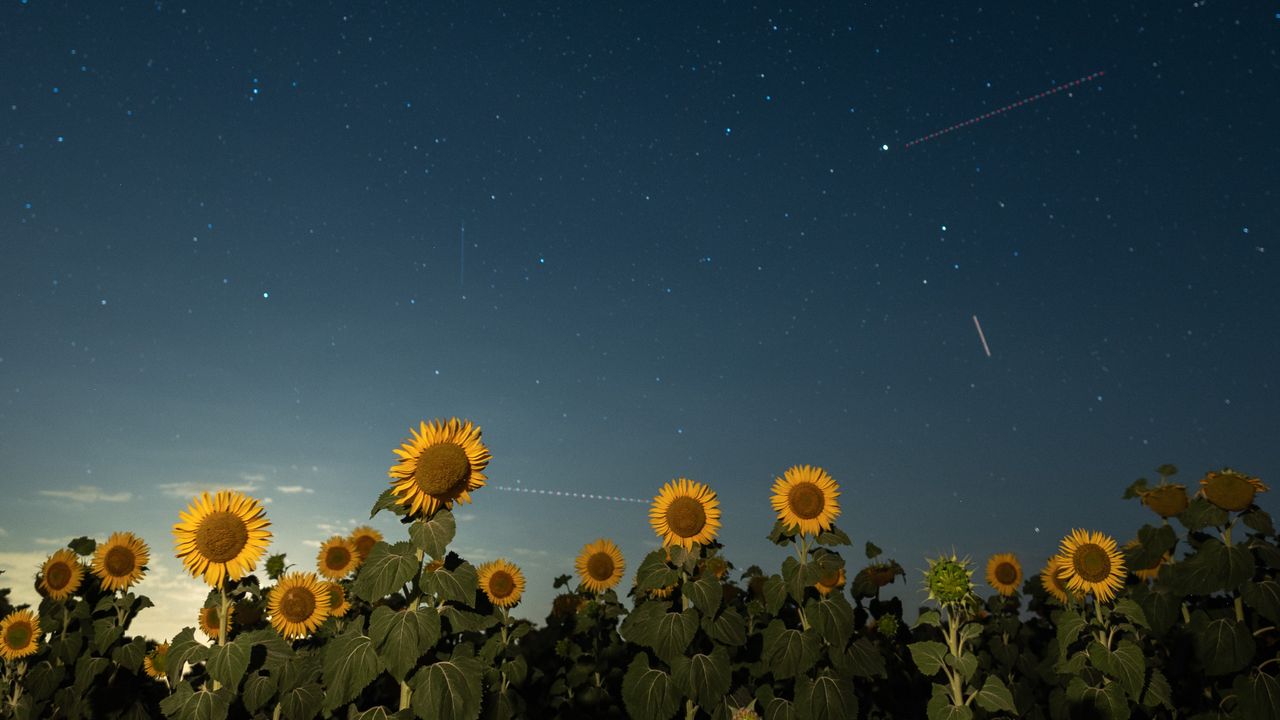
The summer solstice heralds the start of astronomical summer in the Northern Hemisphere and marks the day with the most daylight for the year. But what's the science behind the longest day and shortest night above the equator?
Solstices and equinoxes are markers of the seasons, which are caused by Earth's axis being tilted 23.5 degrees with respect to its orbit around the sun, according to NASA. That tilt means different parts of Earth receive sunlight for different lengths of time depending on the time of year. On the summer solstice, the Northern Hemisphere is tilted toward the sun, receiving the full glare of the sun's rays — which means the longest day of the year.