Get all your news in one place.
100’s of premium titles.
One app.
Start reading
Times Pets
Times Pets
Upasna Yadav

Summer Heatstroke In Pets: Warning, Signs And Prevention

Why do cats or dogs get heat stroke?

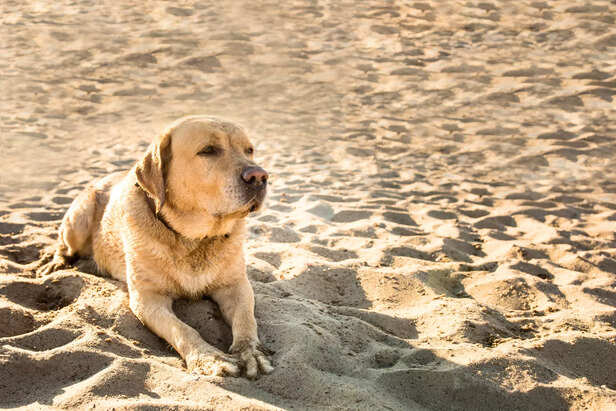
Lack of shade and ventilation for pets can be dangerous
<p>Poor airflow and no shade increase the risk of heat stroke, especially for outdoor pets.</p>

It’s easy for our pets to overheat in warm weather. Unlike us, they can’t remove layers when it gets hot, and they don’t always have an option to move themselves to cooler places or avoid the sun. Animals are unable to cool down by sweating as humans do, so they are less able to regulate their body temperature. Dogs and cats can suffer from heatstroke, a life-threatening condition where the body temperature increases to a point where serious consequences, including organ failure and even death, can occur.

Which animals are more susceptible to heatstroke?

  • Animals that are overweight
  • Flat faced breeds such as Pugs and French Bulldogs, or Persian cats
  • Pets with thick coats
  • Animals with pre-existing conditions, particularly airway, lung or heart problems
  • Old or very young animals

What causes heatstroke in pets ?

It doesn’t always have to be ‘hot’ for an animal to develop heatstroke. Exercising excessively in warm weather or being left in a warm or humid environment that is poorly ventilated can cause animals to quickly overheat. Avoidance is always best, but it’s important to know the signs of heatstroke so that you can treat your pet appropriately and know when to seek veterinary attention should they be unfortunate enough to suffer from it.

Early signs of heatstroke in pet animals

These are similar in dogs and cats (although in cats the signs are often more subtle) and can include;

  • Panting, this can progress to distressed or noisy breathing as the heatstroke worsens
  • Restlessness or agitation, pacing, seeking shade or water
  • Vomiting or diarrhoea
  • Drooling
  • Red gums or tongue
  • Increased heart rate

First aid for heatstroke in cats and dogs

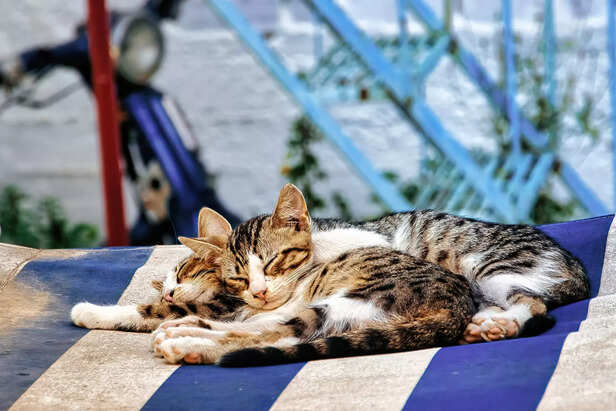
Keeping pets hydrated during summer
<p>Providing fresh, clean water throughout the day helps prevent heatstroke in pets.</p>

If you are concerned that your pet is overheating, you should act immediately, as heatstroke can rapidly become a life-threatening emergency; We recommend to “cool first, transport second” as the immediate first aid response for dogs with heatstroke. Owners should also seek veterinary advice as soon as possible.

  • Take your pet somewhere cool, ideally a well ventilated area or use a fan
  • Offer them small sips of water (do not force them to drink)
  • Cold water immersion is an effective approach for young, healthy dogs
  • Evaporation method: Pouring water of any temperature that is cooler than your dog over them and combine with air movement from a breeze, fan, or air conditioning (evaporative cooling) for older dogs or dogs with underlying health problems.

Tips for preventing heat stroke in dogs and cats

Regular Monitoring of Pets In Hot Weather
<p>Watching for early signs of heat stress can save pets from severe heat stroke.</p>

You can help to keep your pet cool and comfortable in summer by:

  • Make sure your pet always has access to a cool shaded area, both indoors and outside.
  • Restrict exercise on warm days (dogs should be walked early in the morning or later in the evening to avoid the hottest part of the day).
  • Pack a water bottle on walks.
  • Remember, hot pavements can burn paws! If it’s too hold your hand on, it’s too hot for your pet to walk on.
  • Never leave pets in a car or a hot room (eg conservatories).
  • Ensure your pet always has drinking water available, adding ice can help keep it cool.
  • Ensure your pet is regularly groomed if this is advised for their breed.

Celebrate the bond with your pets, explore Health & Nutrition, discover Breeds, master Training Tips, Behavior Decoder, and set out on exciting Travel Tails with Times Pets!

Frequently asked questions (FAQs)

    1. Can heat stroke in pets be fatal ?

      Yes, heat stroke can be fatal if immediate action is not taken. Severe cases may lead to organ failure, brain damage, or death, making early prevention and quick veterinary care essential.

    2. What should I do if suspect my pet has heat stroke ?

      Move your pet to a cool area immediately, offer small amounts of water, cool them gradually with damp towels, and contact a veterinarian without delay.

    3. How can pet owners prevent heat stroke in summer ?

      Provide constant access to clean water and shade, avoid walks during peak heat hours, keep pets indoors during heat waves, and never leave them in parked vehicles.

    Sign up to read this article
    Read news from 100’s of titles, curated specifically for you.
    Already a member? Sign in here
    Related Stories
    Top stories on inkl right now
    One subscription that gives you access to news from hundreds of sites
    Already a member? Sign in here
    Our Picks
    Fourteen days free
    Download the app
    One app. One membership.
    100+ trusted global sources.