
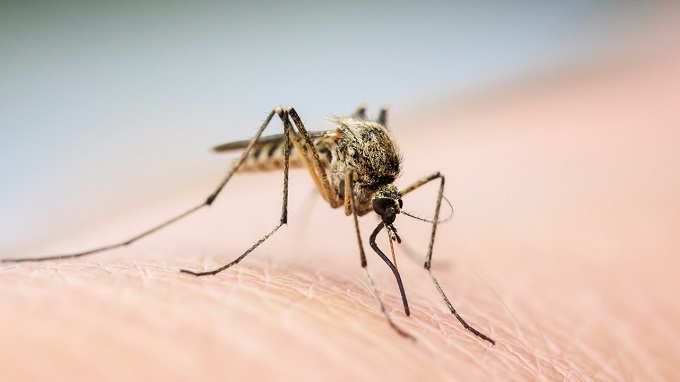
Washington [US]: Johns Hopkins Medicine scientists have uncovered the process that makes mosquitoes able to ignore common insect repellents. The findings of the research were published in the journal 'Cell Reports'. Unlike fruit flies, mosquitoes' odour sensing nerve cells shut down when those cells are forced to produce odour-related proteins or receptors, on the surface of the cell.
In contrast, when odour sensors in fruit flies are forced to express odour receptors, it prompts flight from some smelly situations.
The findings reveal the variation in insect olfactory systems and add to the growing body of research aimed at improving methods to repel mosquitoes from human skin. Mosquito bites not only create irritating swelling and itching but, worldwide, they play a role in spreading rampant and often lethal diseases such as malaria and dengue fever, as well as Zika virus infections.













