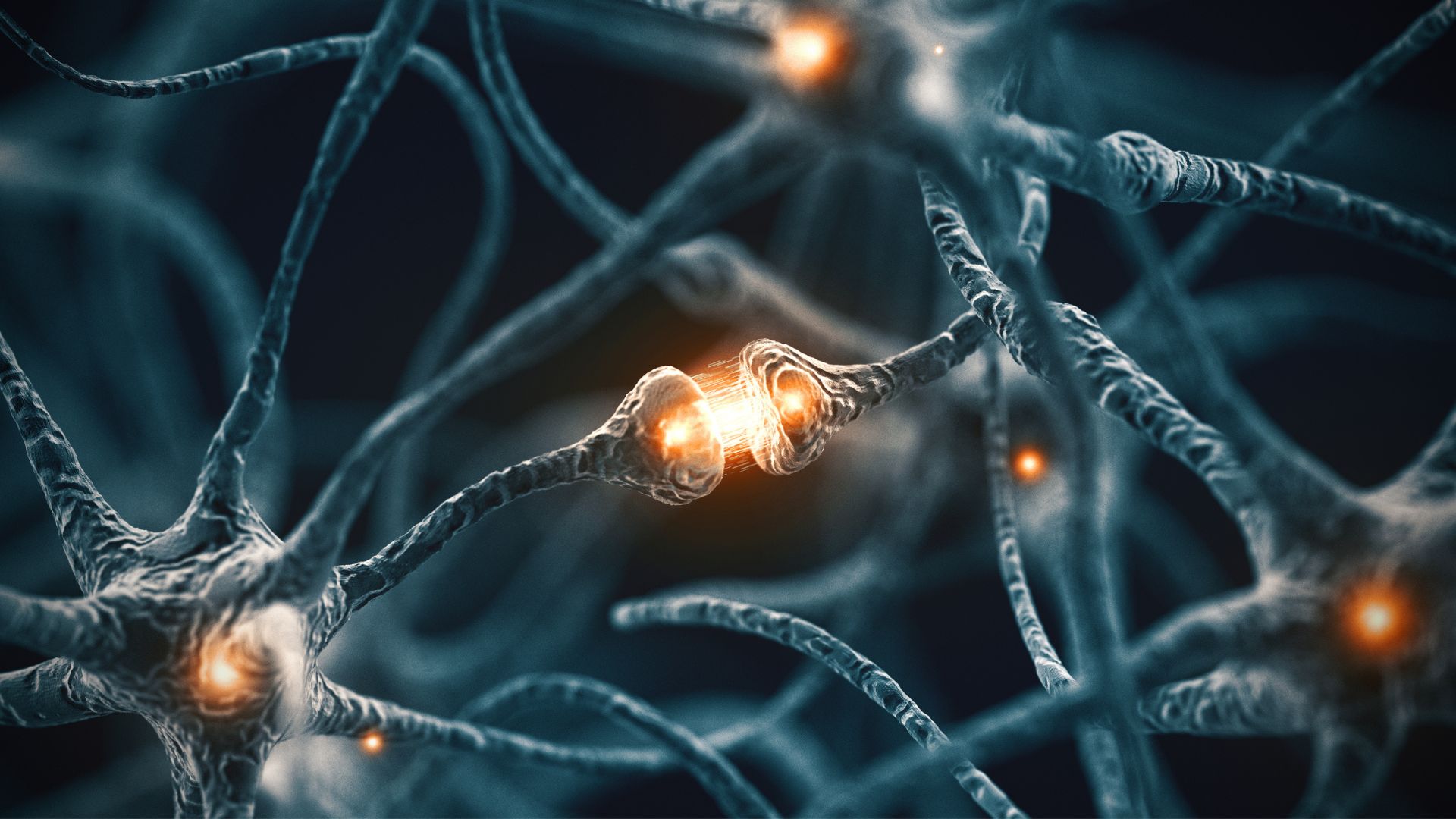
A strange class of brain cell has two features that seem to contradict each other, leading scientists to question whether it really exists. But now, a new study of mouse and human brains not only supports these paradoxical cells' existence but also hints that they could help explain the neurological underpinnings of conditions like autism and schizophrenia.
Published in July in the journal Molecular Psychiatry, the study found that two chemical markers, which were once thought to mark neurons with opposite roles, are sometimes found in the same neuron. Neurons with both of these markers, researchers found, frequently activate, or "express" genes related to the production of cellular energy using oxygen.