
Get all your news in one place.
100's of premium titles.
One app.
Start reading
Kiplinger
Kiplinger
Business
Ben Demers

Storing Cash in PayPal, Venmo or Cash App Carries Hidden Risks, CFPB Says

(Image credit: Getty Images)

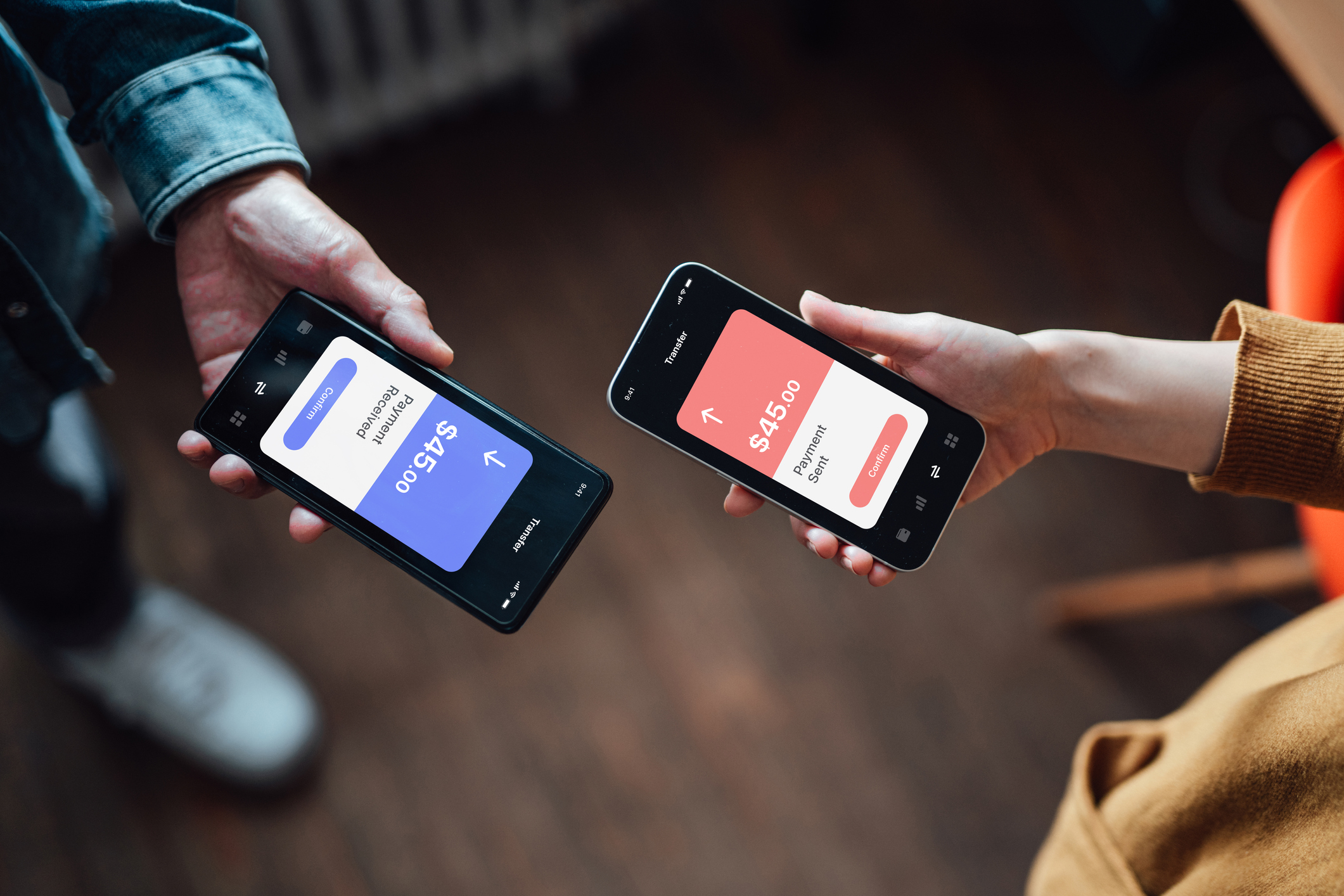
Peer-to-Peer payment apps like PayPal, Venmo, Zelle and Cash App have exploded in popularity in the last several years. Convenience, transaction speed, and flexibility across multiple smartphone types offer consumers an easier way to pay for services and split bills with friends and family. The pandemic further accelerated this ongoing shift toward a cashless future.

However, recent bank and crypto exchange failures highlight the risk of keeping your funds in accounts that exceed or simply lack FDIC insurance coverage. A report from the Consumer Financial Protection Bureau (CFPB) casts a spotlight on deposit risks among popular mobile payment apps, while explaining how consumers can hedge their risk of a collapse.

Your funds in PayPal, Venmo or CashApp are not insured

A few years ago, the collapses of Silicon Valley, Signature and First Republic Banks highlighted the importance of federal deposit insurance offered through the FDIC or NCUA.

These banks experienced catastrophic runs, but their insured depositors with account balances of up to $250,000 could have confidence their money was safe. However, similar protection would not be guaranteed to customers that store money on nonbank payment apps, as we saw from the near-total wipeout of FTX users after the giant crypto exchange collapsed last year.

The CFPB report finds that billions of dollars stored in the top payment apps may lack the same federal insurance coverage that protects users of standard U.S. banks and credit unions from total ruin in a crisis.

The CFPB report breaks down the deposit insurance representations of each major payment app provider. The table below illustrates the spotty or nonexistent status of insurance coverage across the payment app landscape:

Provider

Account Type

Deposit Insurance Eligibility

PayPal

PayPal account

None

PayPal

PayPal Balance account

"Funds are eligible for pass-through insurance if the customer engages in certain activities using the account, including opening a PayPal debit card account, enrolling in direct deposit, or using the account to buy or receive crypto assets."

Venmo

Venmo Account

"Funds are eligible for pass-through insurance if the customer engages in certain activities using the account, including adding funds using direct deposit or the cash a check feature, or using the account to buy or receive crypto assets."

Cash App

Cash App Balance account

"Funds are eligible for pass-through insurance if the account is linked to a Cash App prepaid card or the account sponsors/is a Sponsored Account."

Apple Pay

Apple Cash account

"Funds are eligible for pass-through insurance if the customer registers the account with Green Dot Bank."

Google Pay

Google Pay account

None

Google Pay

Google Pay Balance Account

None

The CFPB calculates that more than three quarters of U.S. adults have used a payment app. Users transacted roughly $893 billion in 2022 across all payment apps, and they're projected to increase transaction volume to $1.6 trillion by 2027. So the risks to users of disrupted funds access or insolvency will only grow into the future.

What should payment app users do to protect their cash?

The CFPB offers several tips for payment app users to protect their funds from deposit risk:

Read the user agreement

The user agreement, as murky as it can be, should explain the app's basic business model, investment strategy and risk profile. Check if the payment app company keeps your money in a bank or credit union account or invests your money in loans and bonds. You may be surprised to learn that they earn interest on your money without passing any of it on to you, like a normal bank normally does. Also check for details on whether your money may be insured at a bank or credit union, as well as what happens in the case of the payment app’s collapse or bankruptcy.

Consider the offered "pass-through" insurance

Certain apps offer specific pass-through insurance, which protects you against the collapse of the bank or credit union where the company holds your funds. If you follow the insurance criteria, this can offer an additional layer of protection for app users. However, pass-through coverage explicitly doesn’t protect you against PayPal or another app failing. Even if your money is stored safely in an external, FDIC-backed bank during a payment app collapse, you could still experience significant delays in accessing your funds.

Move your money out regularly

Regularly transfer your existing balance from the payment app holding fund into your FDIC-insured linked funding account. Try to check your balance at least once per month so you don't miss any outstanding funds from that group dinner or grocery run. Use an app like Apple Reminders or Google Calendar to set up recurring nudges for yourself.

Better yet, keep that cash in a high-yield savings account or money market account where it will not only be FDIC-insured but also earn a healthy return while it sits there. Use the savings tool below, powered by Bankrate, to find the top-earning accounts available today:

Related Content

Sign up to read this article
Read news from 100's of titles, curated specifically for you.
Already a member? Sign in here
Related Stories
Top stories on inkl right now
Our Picks
Fourteen days free
Download the app
One app. One membership.
100+ trusted global sources.