Get all your news in one place.
100's of premium titles.
One app.
Start reading
Tom’s Guide
Tom’s Guide
Technology
Ashley Thieme

Stop sneezing at home this allergy season with these expert-approved tips for your robot vacuum

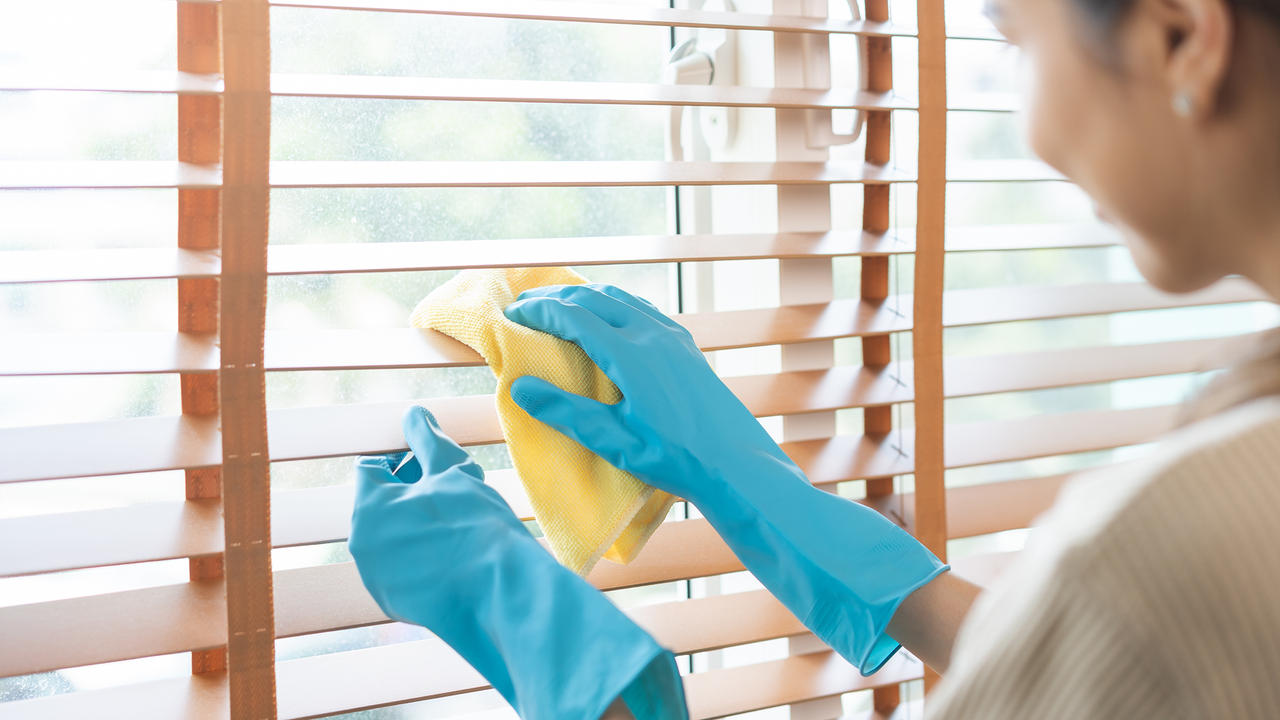
Woman cleaning blind with microfiber cloth.

It's early spring, and that can only mean one thing. It's the beginning of allergy season. It creeps up on me every year. Somehow, I always manage to forget that just as the weather starts to get warmer, I'm going to have to start popping Benadryl once a day.

Pollen can find you anywhere, even in the comfort of your home. So I'm always looking for ways to combat the effects. And since I started testing out some of the best robot vacuums in my home, my allergies have virtually stopped.

Robot vacuums may be great for keeping your home clean daily, but they have a superpower at this time of year: capturing all the pollen and dust mites that may sneak in. My trusty Sharknado, the Shark PowerDetect 2-in-1 ThermaCharged NeverTouch Pro, keeps my home clean at all times and is already reducing the effects of seasonal allergies.

Here's how a robot vacuum — properly used — can help keep your allergies from flaring up.

Cleaning cadence

(Image credit: Shutterstock)

It may seem like doing that big spring clean and then keeping up with it weekly is going to be enough to keep your home dust and pollen-free, but you'd be wrong. At this time of year, pollen can creep in through open windows and even sneak on your clothes when you come home from work.

So the only way to make sure you're getting rid of as much as possible is to clean daily. With a regular vacuum, this is a lot of hard work, but with a robot vacuum, you don't need to lift a finger.

You can set up a daily schedule for your robot vacuum in its companion app, so you don't even need to tell it each day to clean — it can just get on with it.

Swapping filters often

(Image credit: Shutterstock)

Changing the filters in your vacuum more frequently will help to catch more of the tiny particles, rather than them getting blown back up into the air.

HEPA filters will catch the smallest particles, making them an ideal choice when trying to deal with pollen and dust mites at this time of year.

Typically, you should be replacing your filters at least every six months to ensure they are working efficiently, but during allergy season, when there's more disturbed dust and pollen to deal with, it's best to change them every two months.

Make wet mopping a priority

(Image credit: Shutterstock)

If your house is mostly carpeted, vacuuming daily is your best bet for stopping the sneezes, but the most reliable way to pick up dust from your floors is by mopping. This captures dust particles far better, as when the vacuum kicks up dust, the damp mop pad can essentially lock the particles in place.

Adding a daily mop cycle is great, and with a robot vacuum like the Shark, there's no extra work because it will empty and refill its own water before cleaning and drying the pad, ready to be used the next day.

You can even use a hypoallergenic floor cleaner to make the process even more effective.

Implementing these steps into my daily cleaning routine has made it far easier to deal with, so you should try them out too and get the better of sneezing this allergy season.


More from Tom's Guide

Sign up to read this article
Read news from 100's of titles, curated specifically for you.
Already a member? Sign in here
Related Stories
Top stories on inkl right now
Our Picks
Fourteen days free
Download the app
One app. One membership.
100+ trusted global sources.