
Learn to engage your core with this five-minute “bracing” routine that will help improve your breathing, posture, and core strength. It will also help you switch on your abs quicker during exercise.
Bracing your core during workouts helps protect your lower back and create stability so you can perform movements safely and with greater power. This doesn’t just mean tensing your abs, though, and requires a little know-how to ensure the correct muscles are recruiting to stabilize your torso.
A strong core isn't just important for workouts, as it will help you stay functional and capable as you age, too. Here’s exactly what to do, and everything you need to know.
How do you engage your core?
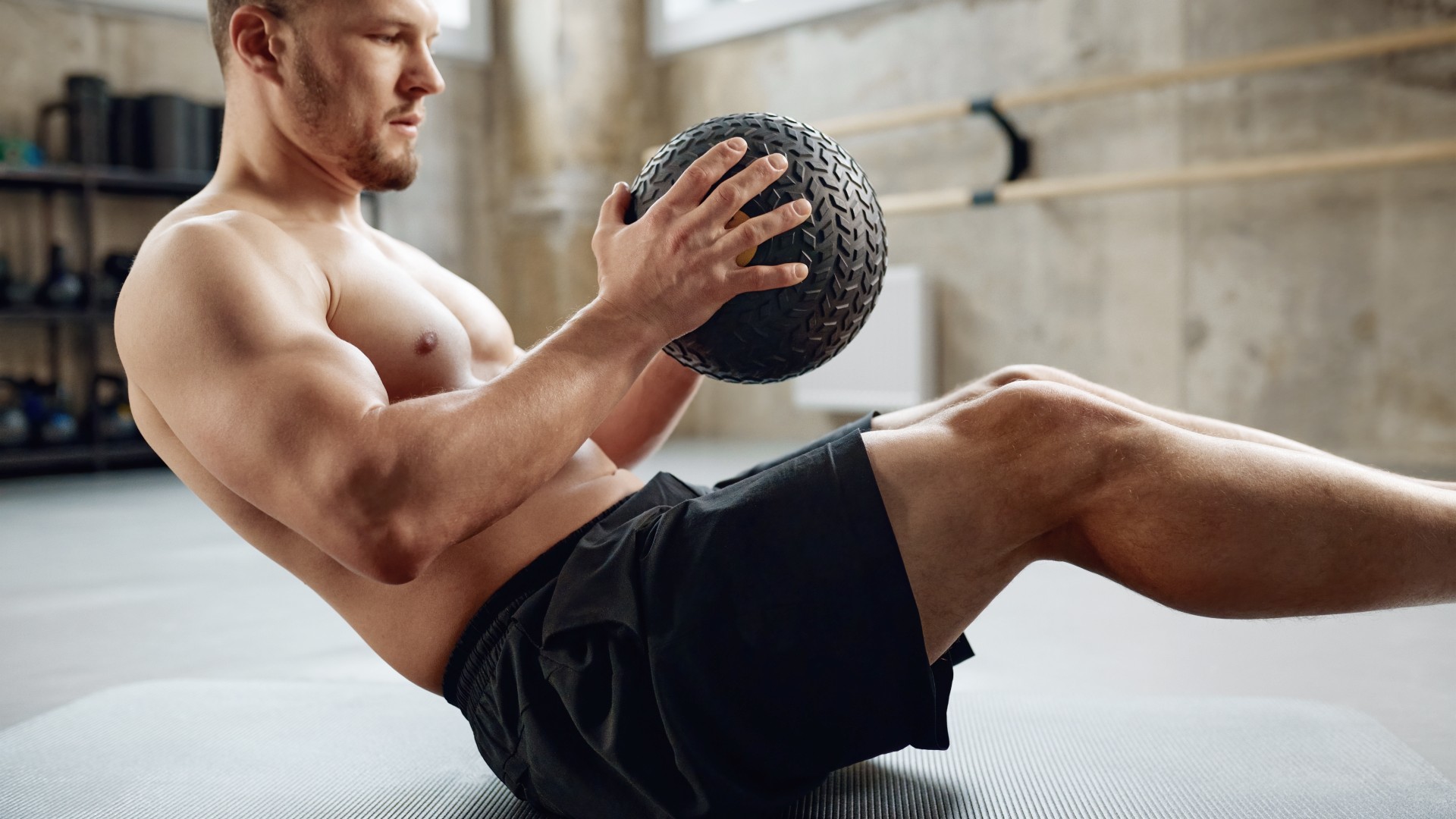
If you imagine tensing your stomach as if someone were to punch you there, this is a simple way of explaining what it means to contract your core, but it’s a little more technical than that.
Ideally, you’re creating 360-degree tension by contracting your abdominal muscles while also breathing into your stomach rather than your chest. Think about a balloon inflating and deflating as you inhale and exhale.
Your diaphragm forms part of your core, so breathing properly is crucial for posture and abdominal engagement, which carries over to a more stable spine and better strength.
Studies have found that working on engaging your core during everyday activities like walking the dog or sitting at your desk can reduce chronic back pain. And the research shows that training your deep trunk muscles is the most effective, which means not just focusing on your abs. So let's sweep aside the sit-ups and crunches and aim for exercises that strengthen your deep core instead.
A daily routine can take just five minutes; if daily is too much, several times per week also carries benefits. Spend a few minutes practicing the routine below, and let us know how you find it in the comments section.
What are the exercises?
Try these. But before you get started, I stumbled upon a brilliant demonstration of how to brace your core before you begin the exercises.
The video below, courtesy of Mission Move Physical Therapy, encourages you to lie on your back with your legs lifted at 90 degrees. From here, move your knees toward your chest and over your hips, then lift your upper back away from the ground, almost like a crunch. Place your hands on your knees, then press against them as if pushing your knees away, and simultaneously push your knees into your hands.
Hello, brace position.
Exercise 1: Diaphragmatic breathing 3-5 sets x 5 breaths
Lie on your back with your knees bent and feet planted on your exercise mat. Breathe in deeply, expanding your stomach like blowing up a balloon. Gently squeeze your abs and draw your belly button toward your spine while maintaining the pressure. Your stomach should feel rigid rather than soft.
Slowly exhale and release. Reset, then repeat.
Practicing these breathing techniques is brilliant for helping wake up your core muscles.
When we say "Draw your belly button in," you don't want to destabilize your spine or hollow out your lower stomach by simply sucking your stomach in as far as you can, as this isn't doing anything for your core. It should be a gentle pull while generating and maintaining pressure there.
As you take a deep breath in, focus on initially pushing your breath against your stomach, not just outward, but 360 degrees. It should feel expansive. Then, hold the tension without letting your belly "hang" or "dome" out. Always think that someone could punch you in the stomach at any time; that bracing feeling is the contraction you want to find.
Practicing these breathing techniques is brilliant for helping wake up your core muscles before heavy lifting, running, HIIT, or even mobility exercises.
Exercise 2: Deadbug 3 x 8-10 reps per side
Lie on your back with your knees bent at 90 degrees and feet lifted. Extend your arms into the air. Gently tilt your hips toward you and flatten your lower back to the mat; pull your belly button in and create tension in your stomach.
Extend your right arm and left leg away from you as you exhale, then return to center on your inhale. Repeat on the other side. Hold the "brace" without releasing tension in your stomach until you finish your reps.
Exercise 3: Bird dog 3 x 8-10 reps per side
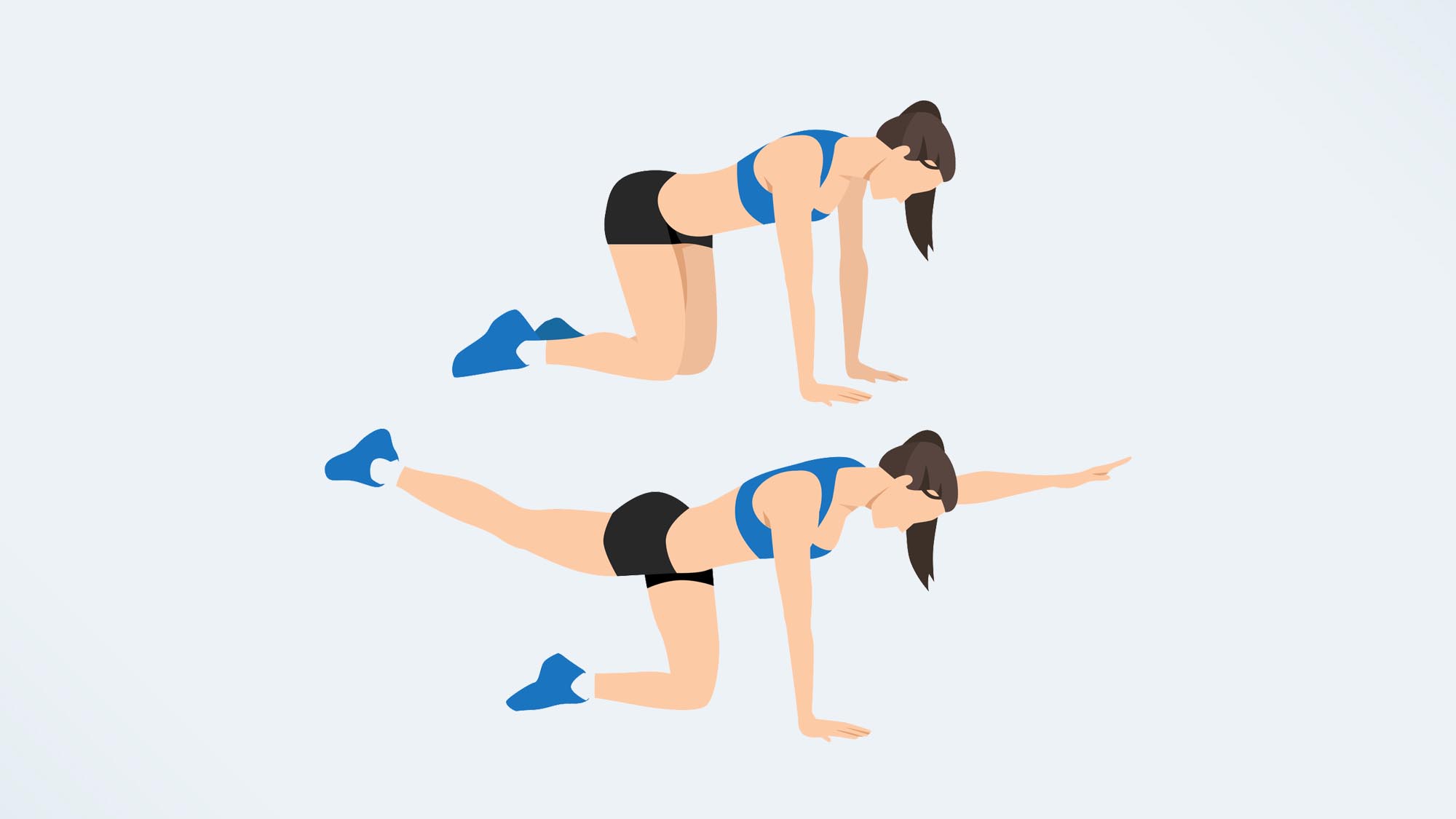
Start on hands and knees and find your brace while zipping in toward your spine. Extend the opposite arm and leg away from you, aiming for shoulder and hip height. Keep your spine neutral as if balancing a glass of wine there. Pause, then return to tabletop position and repeat on the other side.
For an extra belly burn, draw your elbow and knee toward each other under your body, then return to the tabletop position. The balancing work will also require core stability to prevent you from toppling over.

Follow Tom's Guide on Google News and add us as a preferred source to get our up-to-date news, analysis, and reviews in your feeds.