
Get all your news in one place.
100's of premium titles.
One app.
Start reading
Ideal Home
Ideal Home
Lauren Bradbury

Still storing your milk in the door in summer?! Experts say your regular fridge organisation just won’t cut it over the warmer months

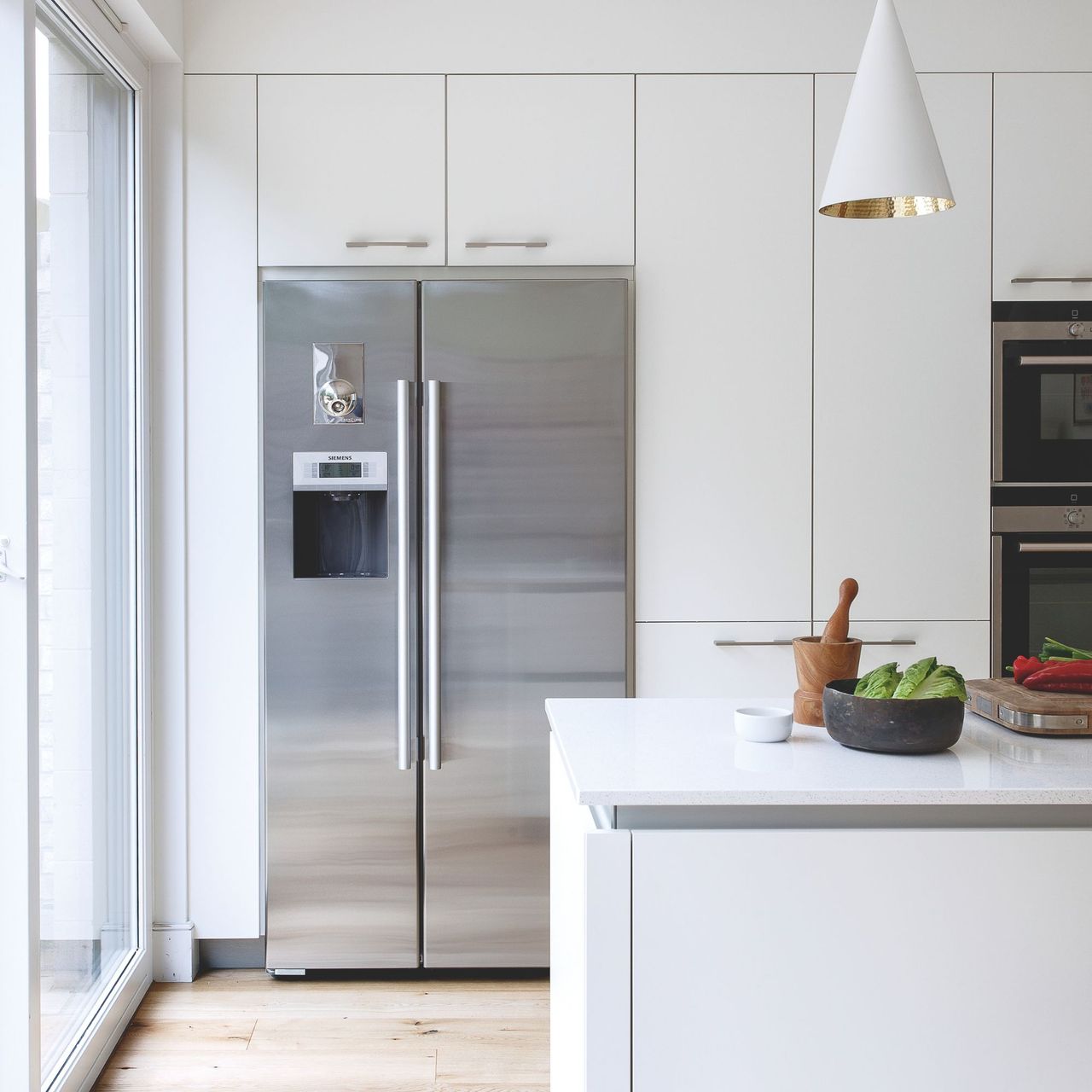
White kitchen with white cabinets and a large silver fridge-freezer .

I don’t know about you, but my fridge gets very full over the summer months, packed with picky bits, BBQ essentials, and fresh fruit and veg for those hot-weather meals. But while I’ve generally been a ‘shove it where there’s space’ kind of fridge organiser, experts say I’ve been doing it all wrong - especially in the midst of a heatwave.

Of course, many of the most common fridge organising rules revolve around cross-contamination and bacteria. But as AO's refrigeration expert, Jade Golding-Gault, explains, ‘As temperatures rise, your fridge must work harder to maintain a consistent temperature and keep food cool. Many people don’t realise that fridge temperatures are not consistent throughout and can differ per shelf.’

Because of this, you may need to reassess your summer fridge organisation and start moving things around to maximise freshness and minimise food waste. This is easy enough to do, though.

1. Make the most of the salad drawer

(Image credit: Future PLC / Phil Barker)

One of the biggest food organisation myths is that it doesn’t matter where you store items in a refrigerator, but that simply isn’t true. Most fridges are designed with designated areas for certain foods, especially fresh fruits and vegetables.

Jade says these need to go in the salad drawer during the summer months. She explains, ‘It may seem obvious, but the salad drawer is a crucial area of your fridge. These compartments are designed to maintain the right humidity levels, helping produce stay crisp and reducing food waste.’

If you don’t have enough space in your salad drawers for everything, there are ways to fake it so you can store food to make it last longer. These StayFresh Produce Keepers (£12.99 at Lakeland) are designed to do just that and can be placed on any shelf if you really don’t have any space. Just be warned that the temperature won’t be as stable.

If you run out of space in your salad drawer, this storage container is designed with fresh produce in mind. It's even vented so you can wash your produce first.

2. Move your milk (if you can)

(Image credit: Future PLC/Philip Lauterbach)

Whether you prefer cow’s milk, oat milk, soy milk or even pea milk in your morning cuppa, there’s a high chance that you pop your milk in the door of your fridge - and for good reason, too. It seems like the most logical place to put it, given the bottle's shape and size and the space available in the fridge.

But experts say that storing your milk in the fridge door can cause it to spoil more quickly in the summer. Chris Grundy, Senior Product Manager for Cooling at Haier, says, ‘Despite the built-in bottle shelf, the fridge door is actually the warmest part of the appliance because it's opened so frequently. For maximum freshness, milk should be stored on a middle shelf instead.’

However, I appreciate that this isn’t always possible, as many milk bottles and cartons are just too large to fit on a shelf. I’d also advise against storing it on its side, as this is a recipe for disastrous leaks. So, if you really can’t store it on a shelf, make sure you limit how long you keep a fridge door open.

If you're willing to, decanting your milk into smaller jugs can help you store it on a shelf instead of the door. These should be the perfect size.

3. Try not to overfill it

(Image credit: Future/Phil Barker)

The key to a fridge full of fresh food is airflow and organising it so it’s never packed too tightly. And this is even more important during the summer, when temperature fluctuations already threaten your food's freshness.

Chris warns, ‘Overfilling the fridge is a common mistake. Cold air needs room to circulate, so leaving a little space between items helps maintain an even temperature throughout the appliance.’ And this is where fridge organisers like this selection of Dunelm fridge organisers can help you do that, as you can move and stack them in a way that allows for this airflow.

Ideally, you should aim to keep your fridge around 75% full, leaving 25% for cold air to circulate and maintain cooler temperatures. Doing this can also save you money in the long run, but if you’re really struggling for space, you could also try freezing more items in bags like these Amazon 1 Litre Freezer Bags (£1.74 at Amazon).

Removing original packaging can also prevent overfilling, and this Joseph Joseph gadget will help you store cans with ease.

4. Unpack food as soon as you can

(Image credit: Future PLC/Sussie Bell)

Temperature changes in a fridge become even more dangerous when the food inside is already starting to thaw. That’s why one of the biggest summer fridge organisation tips you shouldn’t ignore is to load up your fridge immediately after a food shop.

This should prevent your food from getting too warm - especially during a heatwave - and I swear by my Trolley Bags for Shopping Trolley (£24.95 at Amazon) for getting food out of the supermarket, into the car, and then into my fridge quickly and efficiently.

You should also take care when storing any cooked food, too. And Chris advises, ‘If you've cooked food, allow it to cool before refrigerating it, as placing hot dishes straight into the fridge raises the internal temperature.’ This can then have a knock-on effect on the other food in the fridge.

I always find that meal planning helps me buy just the right amount of food to prevent overcrowding in my fridge, and this one is even magnetic.

5. Adjust the temperature, if needed

(Image credit: Future PLC)

While it’s not technically an organisation tip, knowing what temperature a fridge should be set at is even more important during the warmer months of the year, as this - combined with poor organisation - can wreak havoc on your food. Plus, some fridges can struggle in the heat without you realising.

James Cooper, Senior Product Manager for Refrigeration at Hotpoint, says, ‘Your fridge should be between 3 and 5°C, but during a heatwave, older models can fluctuate by 5-7°C throughout the day. If your fridge is too warm, food will start to go off, smell bad, or could even develop mould.’

He adds, ‘To ensure food stays fresh, your appliance needs to be able to maintain consistent temperatures – especially when the weather turns warmer.’ So, it’s worth understanding what the numbers on your fridge dial actually mean and maybe even investing in a standalone thermometer like this Salter Fridge Freezer Thermometer (£9 at Amazon).

Maintaining a constant, cool fridge temperature is essential for all foods - but particularly if you want to make use of this handy egg storage box.

So, take some time this week to re-organise your fridge for summer! Your food (and your wallet) will thank you for it.

If you enjoyed reading this, sign up for the Ideal Home newsletter for all the latest home decor trends and inspiration delivered straight to your inbox

Fridge Keep Fresh Storage Container Absovetu 2 Pack Glass Milk Storage Bottles With Lids Joseph Joseph FridgeStore Foldable Under-Shelf Fridge Storage Can Dispenser SWEETZER & ORANGE Meal Planner and Grocery List Magnetic Notepad Dunelm Clear Fridge Storage Egg Box
Sign up to read this article
Read news from 100's of titles, curated specifically for you.
Already a member? Sign in here
Related Stories
Top stories on inkl right now
One subscription that gives you access to news from hundreds of sites
Already a member? Sign in here
Our Picks
Fourteen days free
Download the app
One app. One membership.
100+ trusted global sources.