
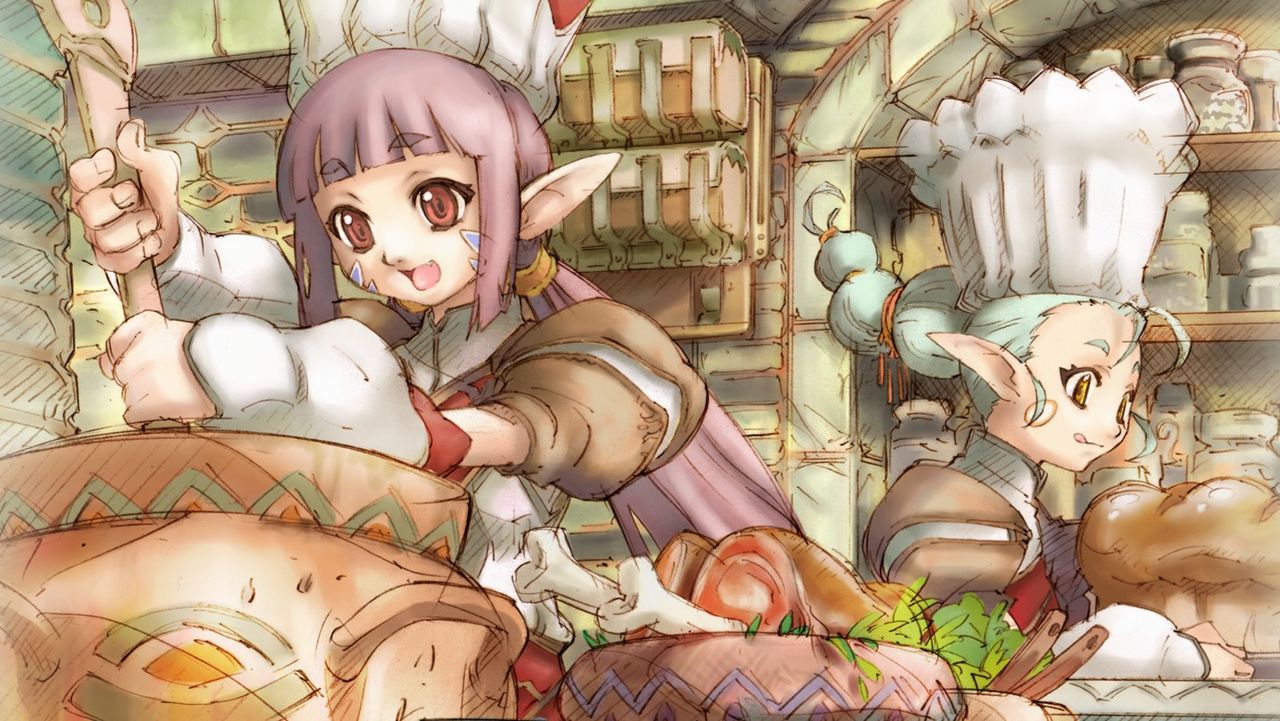
In 2005, while everyone was wondering if cheeky upstart World of Warcraft could permanently dethrone the likes of EverQuest and Final Fantasy 11, Hudson's Japanese-only MMO Master of Epic arrived with an emphasis on travelling through time, its zones made to feel brand new when visited in very different eras. Despite a novel premise, the colourful fantasy MMO launched and quickly slid into the background. A flurry of anime adaptations and enthusiastic marketing were not enough to give it much purchase in the new MMO world WoW would soon command.This is how many MMOs die. Lost down the cracks, unable to secure further funding after failing to immediately usurp whatever was hoovering up all the money at the time. Or they're quietly shuttered to cut costs after one company acquires another, as Konami did with Hudson in 2011. But it's how some MMOs live, too. They attract a dedicated audience happy to stick by them no matter what, publishers satisfied with the small but sustainable niche they've created.And that's how Master of Epic has lived, quietly, for 21 years.MoE's so sustainable that the news section on the official website already has multiple updates posted for 2026, showcasing a variety of user contests and special events. Although there is an item shop offering potions, equipment, and unique costumes in exchange for cold hard cash, it's not thrust in my face at every opportunity. The impression it gives is of an established game that appears to be quite comfortable with its current situation, rather than desperately trying to wring passers-by for every last yen just so it can stave off closure for another week.