New developments have emerged in the ongoing negotiations between Hamas and Israel regarding a potential ceasefire in Gaza. Despite talks taking place in Cairo, an Israeli delegation is notably absent. The primary reasons for Israel's non-participation are the lack of crucial information from Hamas. Specifically, Israel is awaiting a list of hostages that Hamas intends to release and the Palestinian prisoners they seek in exchange. This delay led Israeli Prime Minister Benjamin Netanyahu to opt out of the current round of discussions.
Meanwhile, Vice President Kamala Harris has called for an immediate ceasefire in Gaza, prompting Israeli War Cabinet Minister Benny Gantz to schedule a meeting with her. The urgency of the situation is underscored by the approaching Muslim holiday of Ramadan, with Israeli officials hinting at potential military escalation if a deal is not reached promptly.
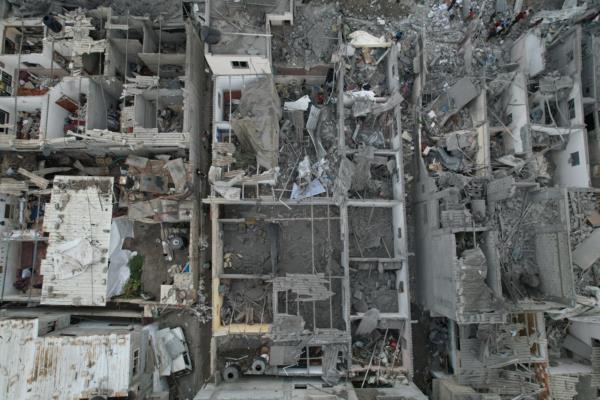
Hamas, on the other hand, insists on a permanent ceasefire and the withdrawal of Israeli troops from Gaza as part of the negotiations. They also emphasize the return of displaced Palestinians to their homes. Amidst these diplomatic maneuvers, the dire humanitarian crisis in Gaza is becoming increasingly apparent.
Reports indicate severe malnutrition and hunger affecting vulnerable populations, particularly in northern Gaza. Tragically, the Palestinian Ministry of Health has reported child fatalities due to dehydration and malnutrition, with more lives at risk. International efforts to provide humanitarian aid are intensifying, with the United States conducting airdrops of essential supplies. However, these measures are deemed insufficient and costly compared to the need for improved access and coordination of aid delivery.
The situation in Gaza remains critical, underscoring the pressing need for a swift resolution to the conflict and concerted efforts to alleviate the suffering of its inhabitants.